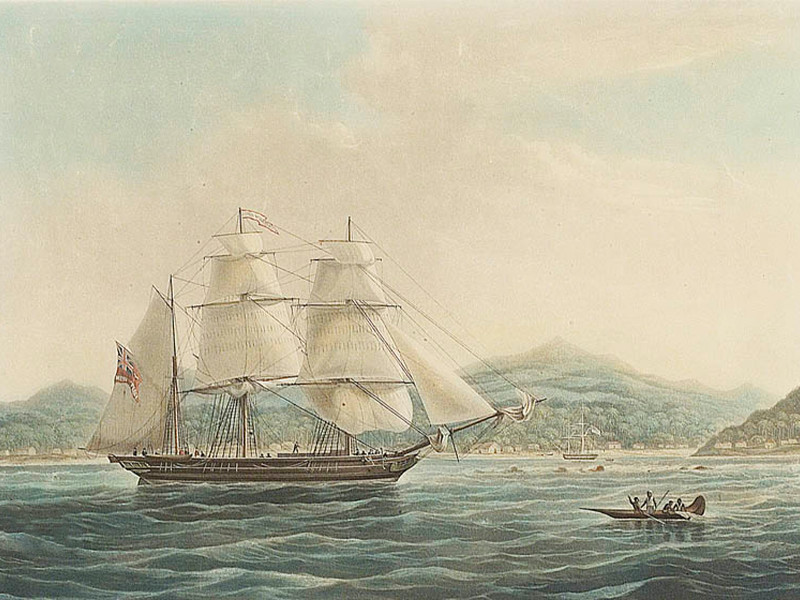
The papers of Nathaniel Phillips from the Slebech Estate collection
An important archival resource for the history of West Indian trade and plantations during the slavery era, these Jamaica-related documents cover the period from the Seven Years' War through to the end of the Napoleonic wars.
Professor Kenneth Morgan, Brunel University
Access the full collection
Access the full archive of Slavery, Exploitation, and Trade in the West Indies, 1759–1832.
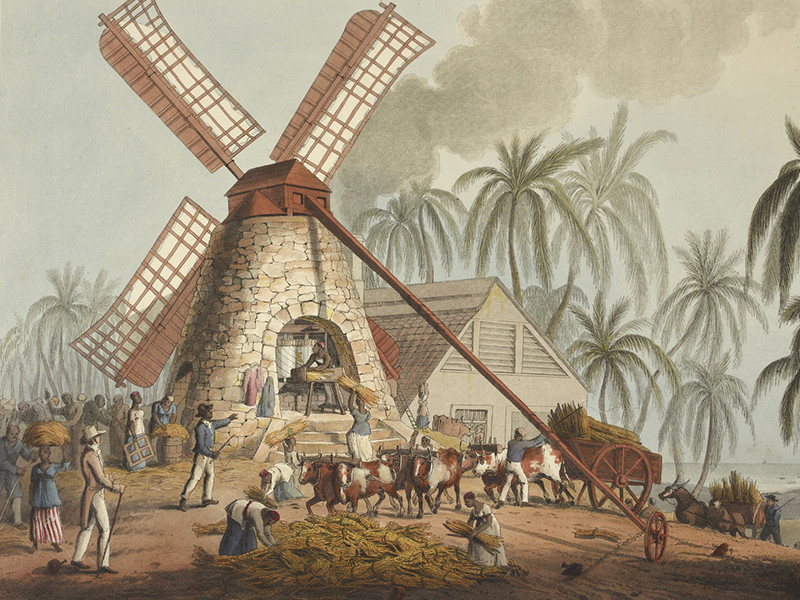
During the eighteenth and nineteenth centuries, Jamaica was the largest and most profitable island in Britain's West Indian plantation economy. An estimated one million enslaved Africans were forcibly shipped there to work on the island's plantations, from which sugar was the main export. In 1759, Nathaniel Phillips of Slebech in Pembrokeshire moved to Jamaica. In 1761, he bought half of the Pleasant Hill plantation. During his time on the island he acquired four plantations and owned hundreds of enslaved people. Phillips’ papers form part of the Slebech Estate records held at the National Library of Wales. They provide numerous, albeit unsettling, insights into the history of slavery in Jamaica.
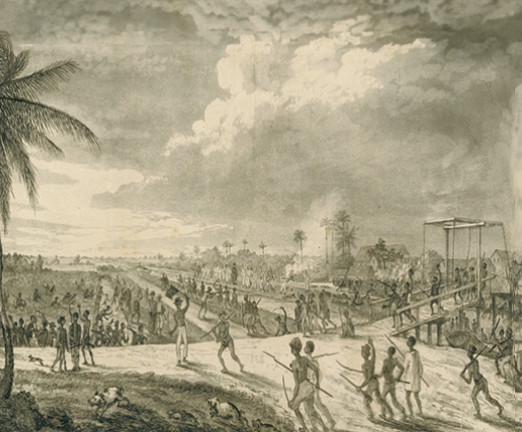
The documents in this collection date from 1759 to 1832. They cover Phillips' arrival in Jamaica, his purchase of Pleasant Hill, his return to England as an absentee plantation owner in 1789, his death in 1813, and the subsequent division of his assets between his family. The collection contains a wealth of information regarding his financial activities in the West Indies and, importantly, the documents shed light on the experiences of enslaved people on his plantations. You will also find financial documents, correspondence relating to the management of Phillips’ estates in Britain, legal documents, and diaries. In addition, the collection features correspondence revealing Phillips’ fears—shared by his fellow plantation owners—of potential insurrections by enslaved people. Some letters likewise find him reflecting upon the impact of the Haitian revolution which began in 1791—a successful revolt by self-liberated enslaved people against French colonial rule in St. Domingue.
Slavery, Exploitation, and Trade in the West Indies, 1759–1832, is a rich resource for students and researchers wishing to explore the history of transatlantic slavery, in the development of the British empire. It will also appeal to those interested in the broader, social history of, and relationship between, Britain and the West Indies.
Content Warning:This collection contains racist or offensive terms. Owing to their historical importance, the sources are in their original state. Please read our Sensitivity Statement for more information.
Contents
Slavery, Exploitation, and Trade in the West Indies, 1759–1832...
The papers of Nathaniel Phillips from the Slebech Estate collection
This document includes reports of meetings held in London by the Society of West India Merchants and Planters. These sources reveal concerns about the uprising of enslaved Africans in the French colony of St. Domingue and how this might impact British colonies.
Licensed to access
Business records, 1789–1812
This document of plantation lists, ledgers, and accounts includes registers of people enslaved on Phillips’ estates. Their names, ages, occupations, and brief details about their health are recorded, alongside lists of births and deaths.
Licensed to access
Letters, 1760–1767
These letters between Phillips and the London merchants Hilton & Biscoe illuminate the importance of the sugar and rum trades within Britain’s plantation economy.
Licensed to access
Letters, 1896–1800
After Phillips returned to Britain, some of his estates were run by Thomas Barritt. His letters to Phillips give us a sense of the day to day management of a sugar plantation, including relationships and negotiations with enslaved workers.
Insights
Jamaica was the most profitable island in Britain's plantation economy. Its main export was sugar, a commodity much desired in Europe, which was cultivated by enslaved workers.
Nathaniel Phillips was the illegitimate son of a sugar merchant, Nathaniel Phillips Snr., who was based in Mile End, London.
This collection is an important resource for the study of the business of slavery. It includes extensive correspondence between Nathaniel Phillips and other London merchants implicated in transatlantic slavery, such as John Purrier and Thomas Hibbert.
The plantation records include registers of people enslaved on Phillips' estates, including their names, ages, and other brief details about their lives.
The records in this collection illuminate the inner workings of Jamaican plantations. Intriguingly, these sources evidence the anxieties felt by owners of enslaved people owing to the threat of possible uprisings.
Over four centuries, an estimated 12–15 million African people were forcibly enslaved and transported from West Africa to the Americas. Their coerced labour was at the heart of a plantation economy that provided vast wealth and global influence for Britain and other nations...
Read more →
-800x600.jpg)
-800x600.jpg)
-800x600.jpg)
-800x600.jpg)