Our New Purchasing Scheme is Open! Until 31 July 2026, grab a 20% discount on 20 of our most popular collections! ✕
Tanzania and Malawi in Records from Colonial Missionaries, 1857–1965
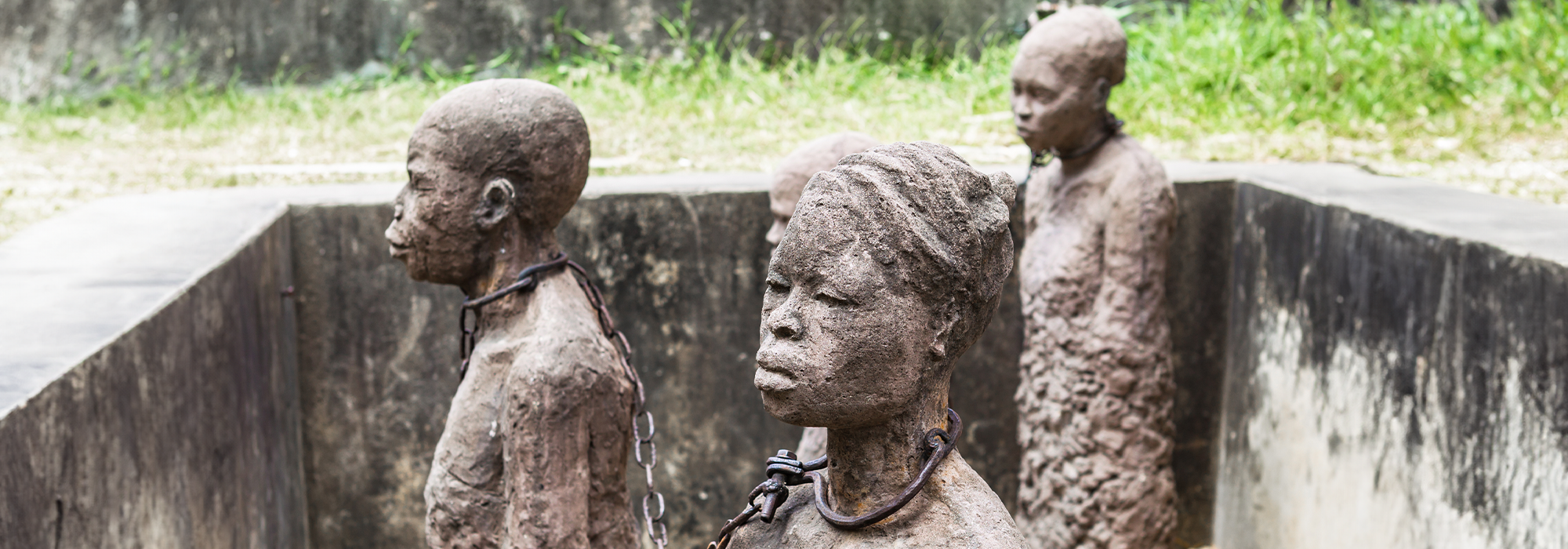
Records of the Universities’ Mission to Central Africa (UMCA)
We have more than one hundred & fifty of the people of this & neighbouring lands, living with us, calling me father, & receiving from us every day their food, an arrangement which must continue until next harvestBishop Mackenzie, Oct 1861,
Access the full collection
Access the full archive of Tanzania and Malawi in Records from Colonial Missionaries, 1857–1965.
Institutional Free Trial
Start your free trialRegister for a free 30-day trial of Tanzania and Malawi in Records from Colonial Missionaries, 1857–1965, for your institution.
Institutional Sales
Visit Sales PagesellFor more information on institutional access, visit our sales page.
Single User License
Purchase a license below to view the full collection.
Already have a license? Sign in.
See how missionaries to Central Africa promoted Christianity
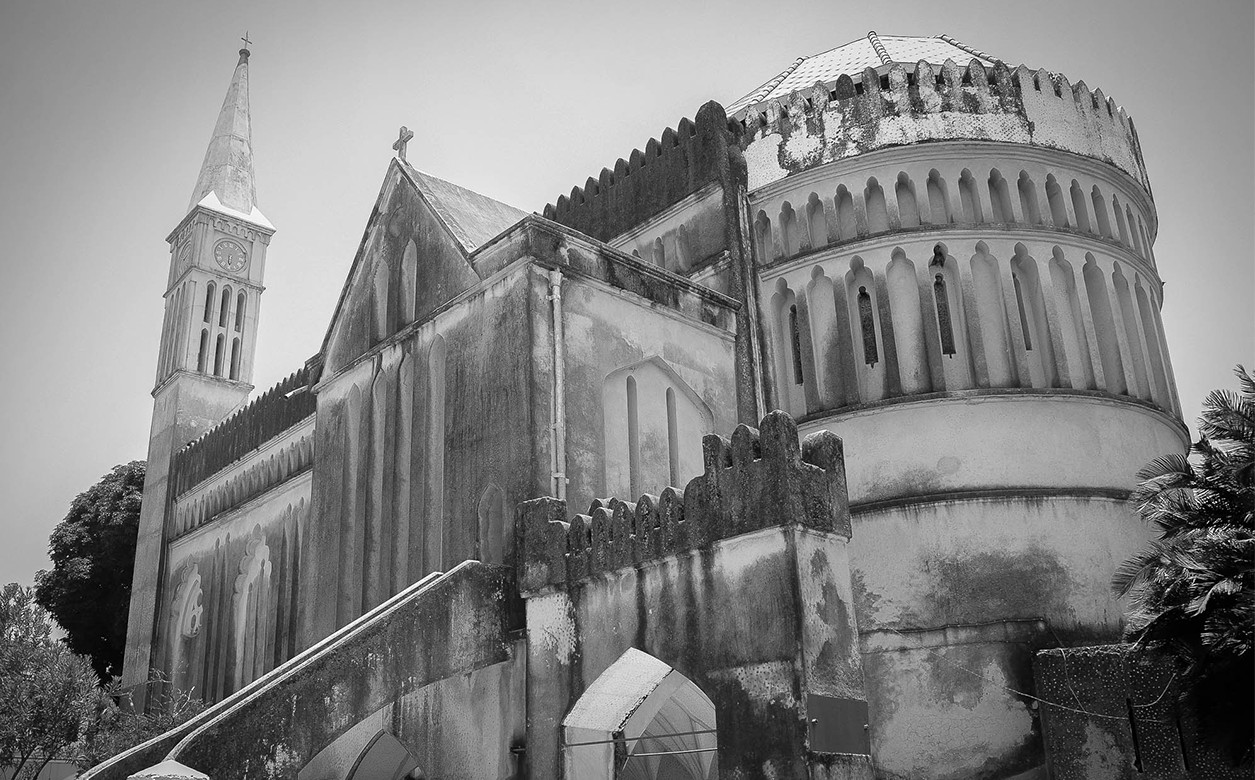
The Universities’ Mission to Central Africa (UMCA) was an Anglican missionary society established in the late 1850s. In 1965 the UMCA merged with the Society for the Propagation of the Gospel (SPG) to form the United Society for the Propagation of the Gospel (USPG). The main aim of these missionary societies was to spread Christian values and to convert people to Christianity.
This collection contains documents relating to the UMCA’s activities in Tanzania and Malawi during the period 1857–1965. The papers provide insights into the spread of Christianity in Central Africa through the personal accounts of missionaries, details of their competition with Muslim missionaries, and the process of translating the holy word into Swahili. Personal journals of Bishops show how missionaries tried to form connections with people in Tanzania and Malawi and the records include the names of some individuals who converted to Christianity.
There is also evidence of the mistreatment of native peoples under both British and German rule and the resistance to missionaries, seen in accounts of the Masasi Disaster. Slavery was still prevalent and there are numerous examples of this in the collection, as well as suggestions for how to treat both wives and enslaved women.
Contents
Tanzania and Malawi in Records from Colonial Missionaries, 1857–1965...
Records of the Universities’ Mission to Central Africa (UMCA)
Discover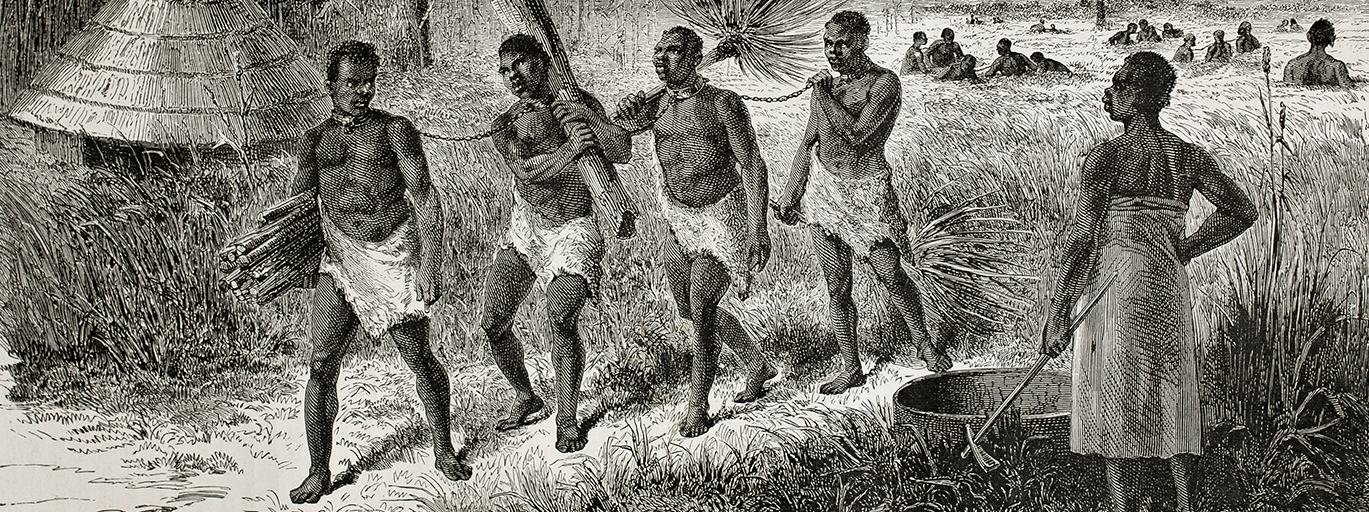
Highlights
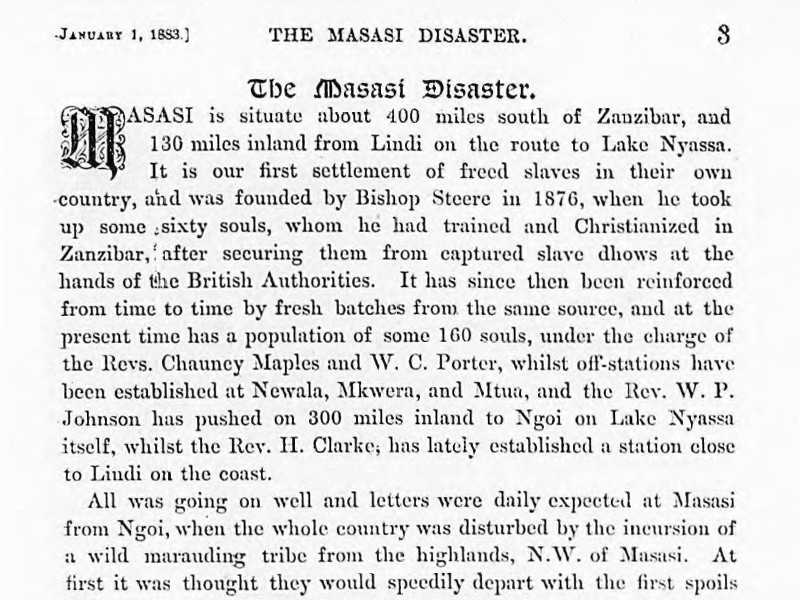
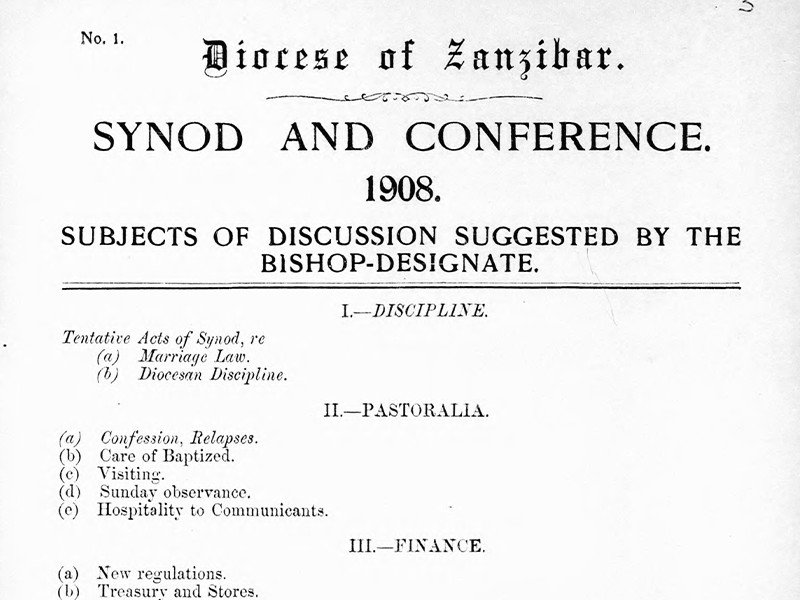
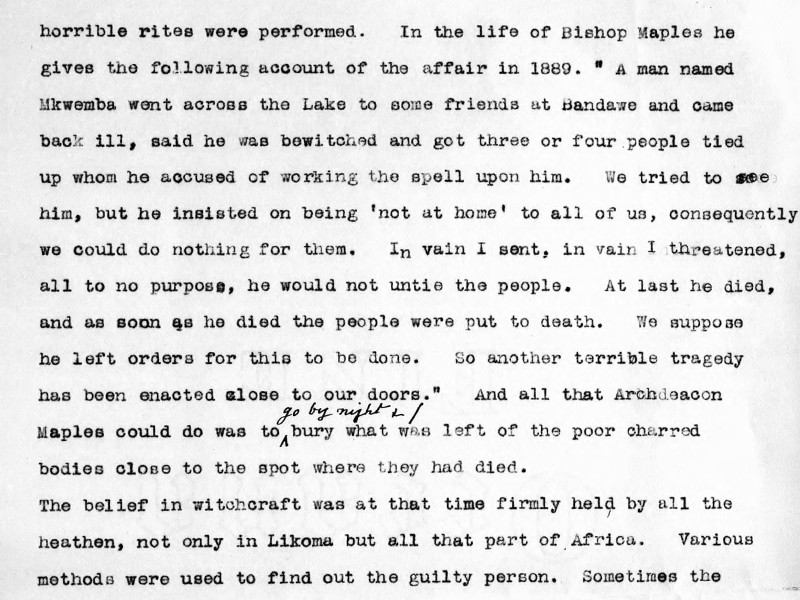
Licensed to access Correspondence of Bishop Trower and other miscellaneous material, 1881–1910, part 2
This document includes Bishop Trower’s personal correspondence containing newspaper clippings, financial accounts, and his reaction to bishop Mackenzie’s death. It also includes accounts of the presence of Muslim missionary activity.
Insights
The Central Africa magazine included descriptions of events that the missionaries had experienced. The Masasi Disaster, a conflict with the Wagwangwara tribe, is covered from image 7 of the 1883 edition.
Missionaries adopted a researcher's style of reporting, learning what they could from native peoples and sharing what they had learned in reports. These documents engaged with both tribes and the local Swahili language.
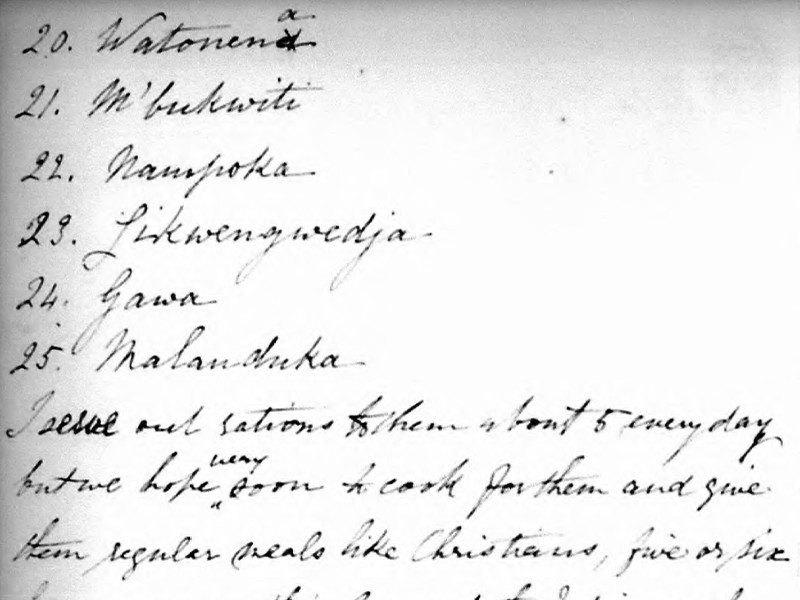
This collection includes Bishop Steere's journals between 1863 and 1868. These records name places that he passed through and describe native tribes that he heard of or saw, naming their leaders in some documents.
The “miscellaneous” items include the “Dini” book of religious teachings which describe the mistreatment of African people by the German rulers of East Africa. They also include a Decree against slavery by the Sultan of Zanzibar in 1890.
Unlock Historical Research for Your Institution
Provide your students and researchers with direct access to unique primary sources.