Study over a century of British colonial rule in Africa through government statistics
The so-called “Scramble for Africa” that occurred during the late nineteenth century involved European powers carving up the continent. The United Kingdom controlled the largest portion of territory. British colonial regulations required each colony to submit a “Blue Book” to the Colonial Office on an annual basis. The aim was to standardise statistical reports, primarily those relating to economic development, as well as demographic, ecclesiastical, and public records.
This collection contains Blue Books and other archival material from thirteen British colonies and protectorates in Africa compiled during the period 1821–1953. The standardised nature of the Blue Books allows for comparisons to be drawn geographically (i.e. between colonies) and over time on issues and trends such as the slave trade, economic policy, education, and public health.
The materials are accompanied by two contextual essays. One of these is by Professor Erik Green. His essay surveys European settler agriculture and the exploitation of local labour in colonial Africa. The accompanying essay was written by Dr. Felix Meier zu Selhausen. This piece explores the origins and consequences of Christian missionary activities throughout Africa.
Content Warning:This collection contains racist or offensive terms. Owing to their historical importance, the sources are in their original state. Please read our Sensitivity Statement for more information.
Contents
Colonial Africa in Official Statistics, 1821–1953...
Colonial export records for Nigeria name the small group of countries that bought most of the country’s goods in the early 1860s. These records also describe the items exported.
Licensed to access
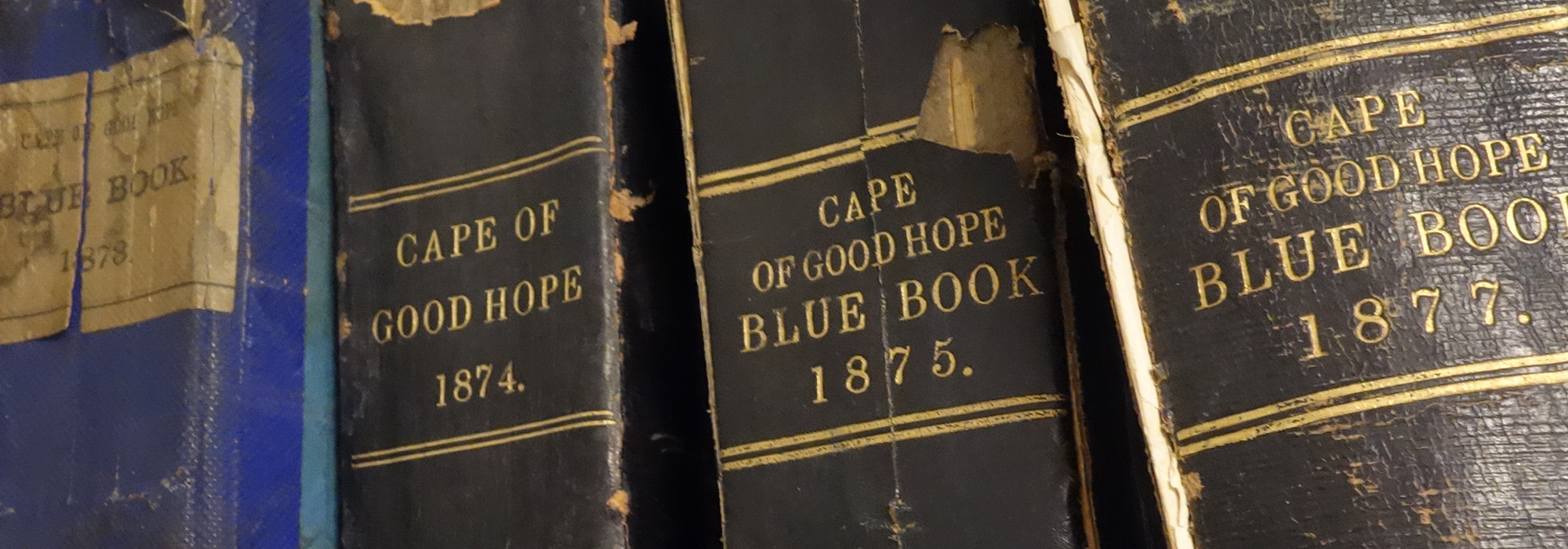
Cape of Good Hope Blue Book 1821
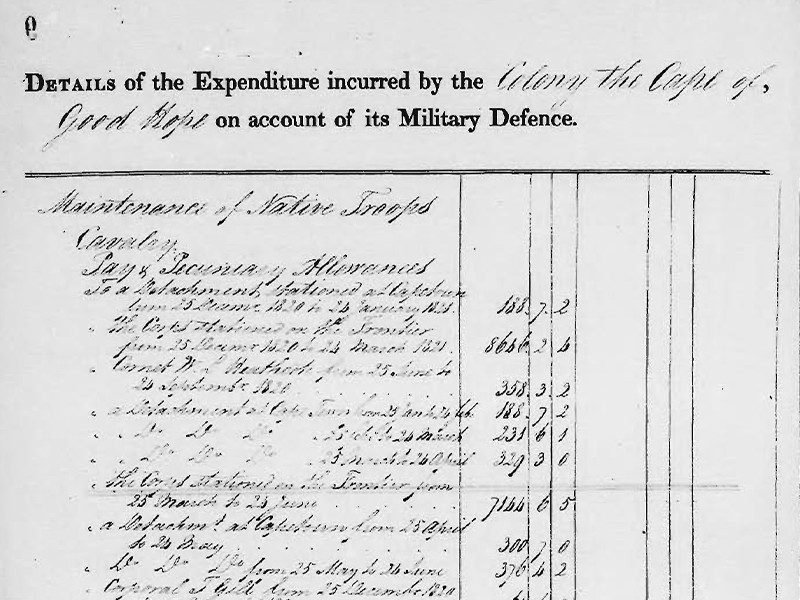
Now part of South Africa, records for the Cape of Good Hope start during the era of the slave trade. These statistics include a description of how the population reacted to the abolition of slavery.
Licensed to access
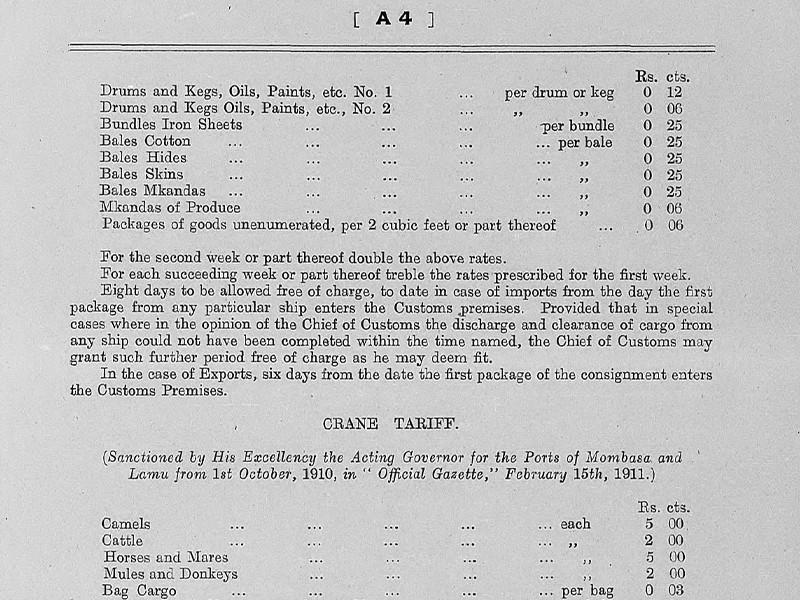
Kenya Blue Book 1914
Until December 1963 Kenya was a British colony. It was therefore directly affected by the outbreak of the First World War. Kenya’s involvement in the war effort is discernible from its Military Expenditure accounts dating from the start of the conflict in 1914.
Licensed to access
Gold Coast Blue Book 1859
In mid-nineteenth century Ghana, then known as the Gold Coast, gathering population data could be a challenge. Thus, in the 1850s and 1860s the British began writing descriptions of the population and their occupations.
Insights
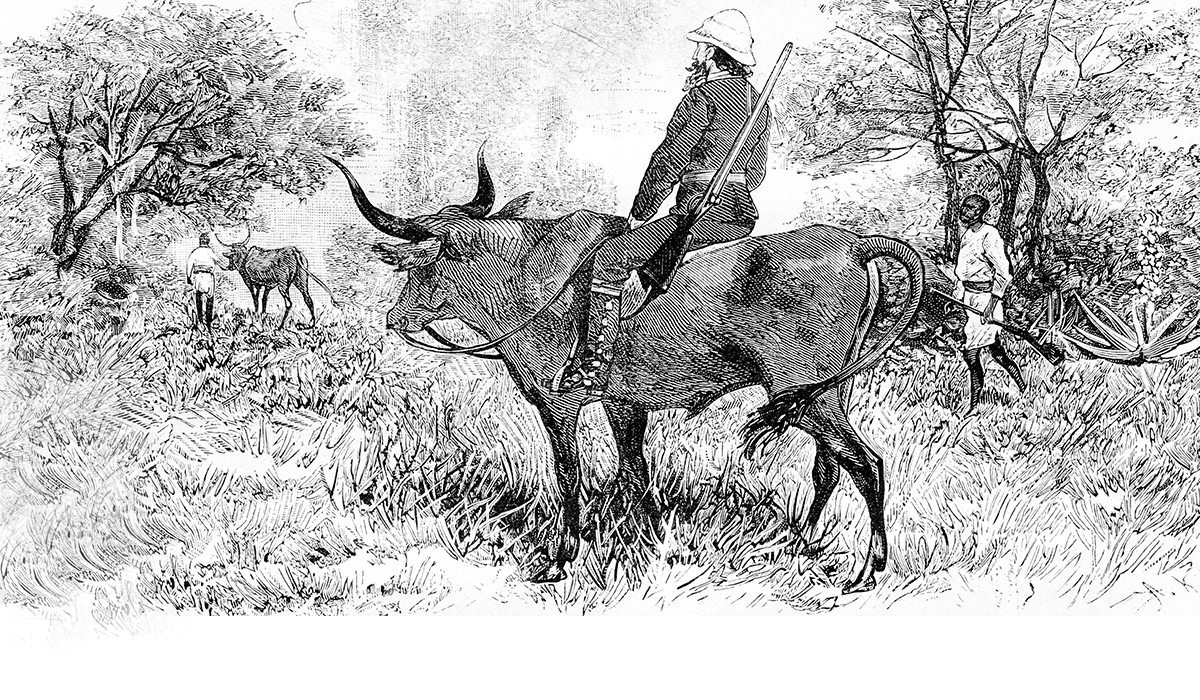
The brutal division and colonisation of Africa by European powers is commonly referred to as the “Scramble for Africa”. This more or less began with the Berlin Conference of 1884–85 at which imperial claims to African territory were formalised. Between 1870 and 1914 the percentage of Africa under European control increased from ten to ninety per cent.
New African borders, drawn up by European colonisers, were largely arbitrary and exposed their architects’ lack of knowledge of local geography and ethnic composition. This meant that several communities and ethnicities found their native lands partitioned, a process with long-lasting effects.
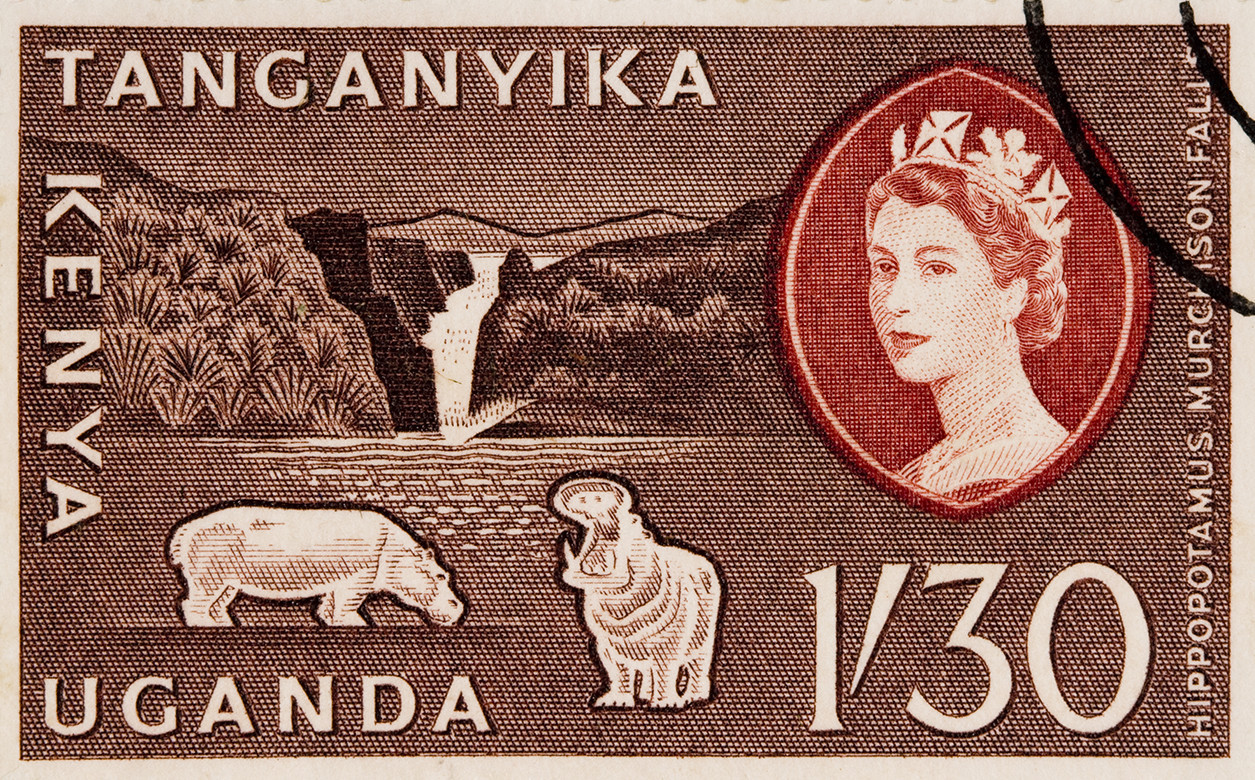
The documents in this collection are organised by country, including: Lesotho (Basutoland), South Africa (Cape of Good Hope), Gambia (Bathurst), Ghana (Gold Coast), Kenya (East Africa Protectorate), Nigeria, Zambia (Northern Rhodesia), Malawi (Nyasaland), Sierra Leone, Zimbabwe (Southern Rhodesia), Tanzania (Tanganyika), Uganda, and Tanzania (Zanzibar).
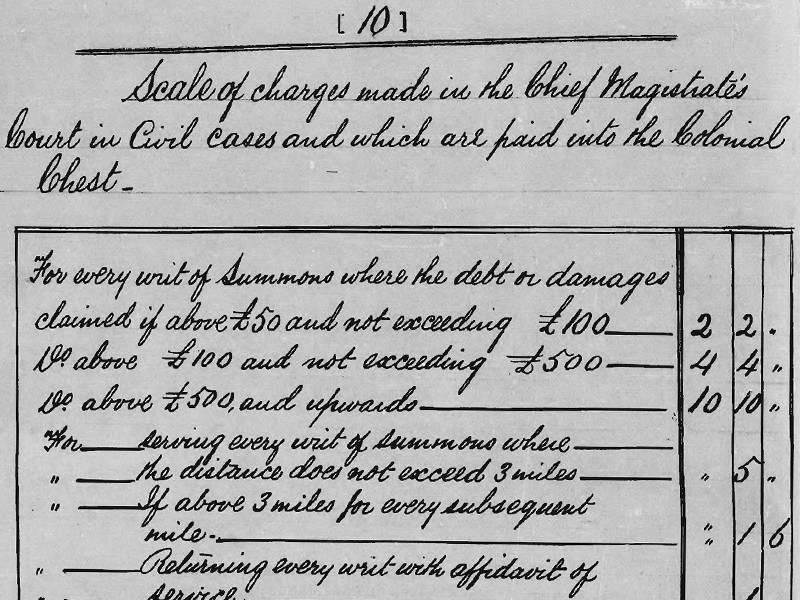
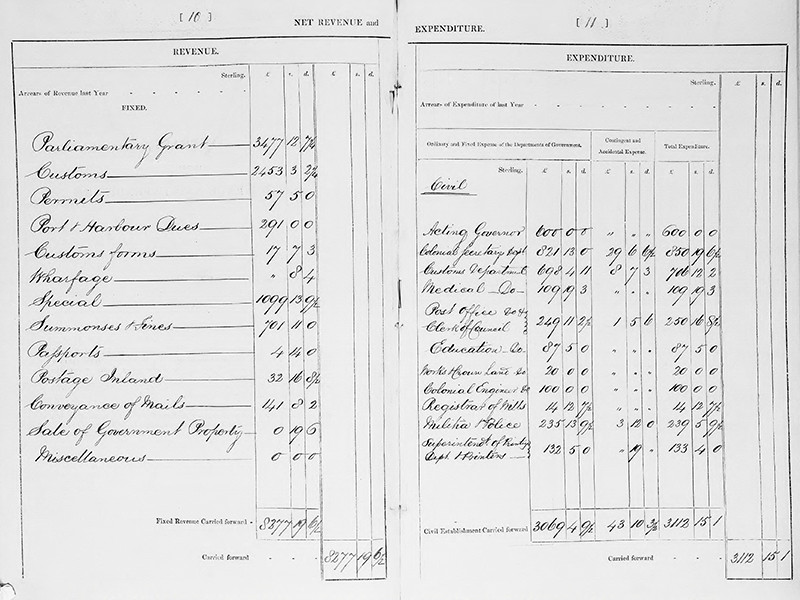
The statistics included in these documents — population data, financial accounts, and lists of officers that served in the colonies — illuminate the history of British colonialism in Africa. These documents also contain details of trading partners and social services. Each Blue Book begins with a contents page. This aids the navigation of the books themselves.
While Zimbabwe was under colonial rule it was known as Southern Rhodesia. The Colony of Southern Rhodesia did not produce Blue Books. Alternative sources that document the range of statistics typically contained in Blue Books are published in their place.
One of the most powerful cultural transformations in Africa’s modern history has been the dramatic expansion of Christianity in the 19th and 20th century (Hastings 1994). While in 1910 the share of Christians in Africa was 9%, by 2010 this share increased to 63% (Pew Research Centre 2015). Initially, Christian...
Read more →
Felix Meier zu SelhausenPublished 5th November, 2019
To what extent did the establishment and growth of European settler agriculture depend on repressive colonial policies that allowed the European farmers to exploit local labour? In past and more recent literature it is commonly argued that the existence of so-called extractive institutions were more prominent in African settler colonies...
Read more →
British Online Archives (BOA) hosts extensive British colonial government reports from African countries, namely Cameroon, Gambia, Ghana, Kenya, Lesotho, Malawi, Nigeria, Sierra Leone, South Africa, Tanzania, Togo, Uganda, Zambia, and Zimbabwe. These reports...
Read more →

_1573848300-160x160.jpg)