British pamphlets relating to the American Revolution, 1763–1783
The importance of these pamphlets has been long appreciated and the richness of their contents suspected but heretofore they have not all been readily accessible and some have been virtually unknown
Colin Bonwick and Thomas R. Adam, University of Keele and Brown University, R.I.
Access the full collection
Access the full archive of The American Revolution from a British Perspective, 1763–1783.
Study the nature of discourse in Britain regarding the American Revolution
The American Revolutionary War (1775–1783) was the culmination of an increasingly fraught relationship between the Thirteen Colonies of British America and the Colonial Government, which represented the British Crown. Delegates from these colonies argued in Congress that there should be "no taxation without representation" in British Parliament.
This collection contains pamphlets authored on both sides of the Atlantic in the eighteenth century. The material covers a wide range of subject matters, shedding light on colonial governance, taxation, religion, and the debate over territory. Pamphlets discuss key events, such as the Boston Massacre of 1770, the 1773 Tea Act, and the 1775 Stamp Act.
Material includes Founding Father John Adams’ History of the dispute with America; From Its Origin in 1754. This can be contrasted with the "full and faithful" reports of British parliamentary debates, which offer a different perspective on the Revolutionary War. Overall, the diversity of perspectives represented in the pamphlets contribute to a comprehensive collection.
Contents
The American Revolution from a British Perspective, 1763–1783...
British pamphlets relating to the American Revolution, 1763–1783
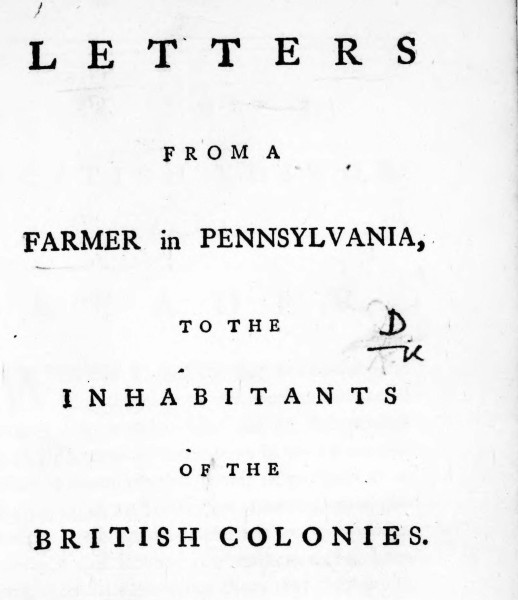
This document includes Letters from a Farmer in Pennsylvania by John Dickinson, a series of letters which became famous for their opposition to the Townshend Acts, which introduced various new taxes. This is an early example of colonists using print media to express resentment towards the British and to influence public opinion.
Licensed to access
1770, Part 01
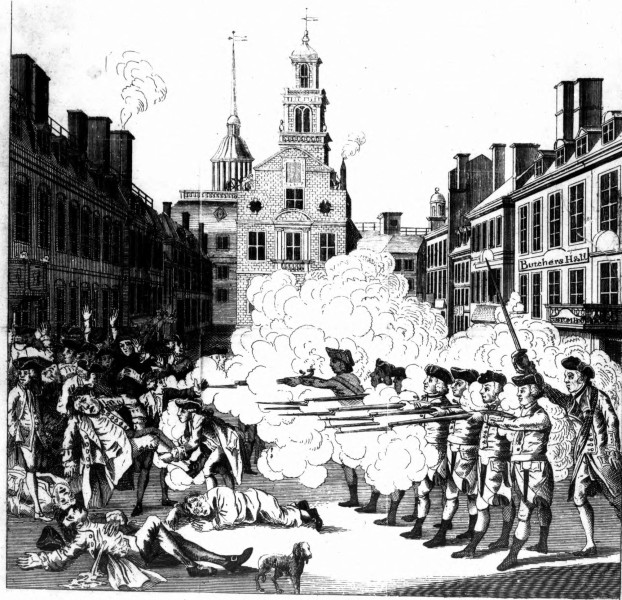
This document includes one of the most iconic images of the Boston massacre, a print by Paul Revere. It also includes A Short Narrative of the Horrid Massacre in Boston, which was published days after the massacre and includes almost 100 depositions from eyewitnesses.
Licensed to access
1771
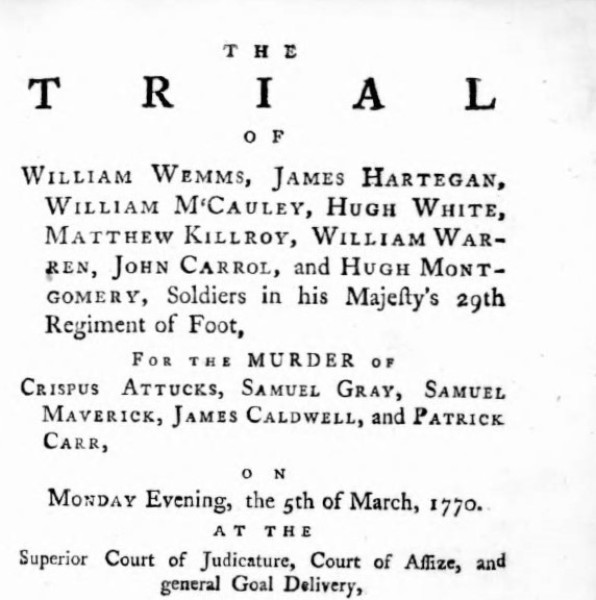
Included in this document is a trial which followed the Boston massacre. During the trial John Adams defended eight British soldiers. He later became the second president of the newly independent United States in 1797.
Licensed to access
1776, Part 08
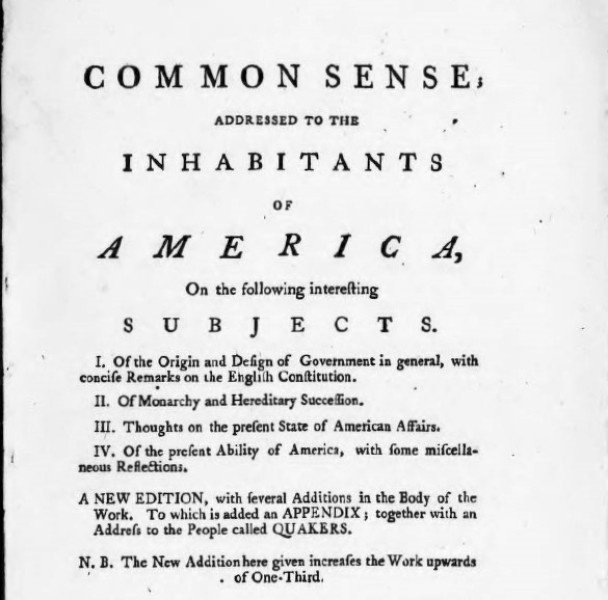
Containing one of the most important pamphlets from the revolution, Common Sense, this document charts the shifting purpose of the revolution. The revolution was precipitated by opposition to new taxes but developed into a fight for independence.
Insights
The American Revolution was precipitated by the introduction of a series of new taxes. This caused growing resentment amongst revolutionaries who felt the increase in taxation should be accompanied by an increase in representation in parliament.
Pamphlets became important conveyors of ideas and were used by both revolutionaries and the British to try to influence public opinion and disseminate information.
Earlier pamphlets included in this collection discuss the impact of new taxation that Britain imposed on America. Some of these pamphlets express concern at potential unrest due to the high level of these taxes.
Pamphlets from 1773 to 1774 reflect the strained nature of relations between Britain and America. It is noteworthy that, despite tensions, many believed the dispute would be resolved amicably.
There is a marked change of tone when tracking these pamphlets over time. Authors began to react to the fact that Britain was at war with America and they adjusted their writing to reflect this.
Our latest “Document of the Week” was chosen by our Academic Liaison Manger, Dr Catherine Bateson. It is a pamphlet title page, published in 1776, about Britain’s growing tensions with the American Colonies.
Read more →