Early Colonial and Missionary Records from West Africa
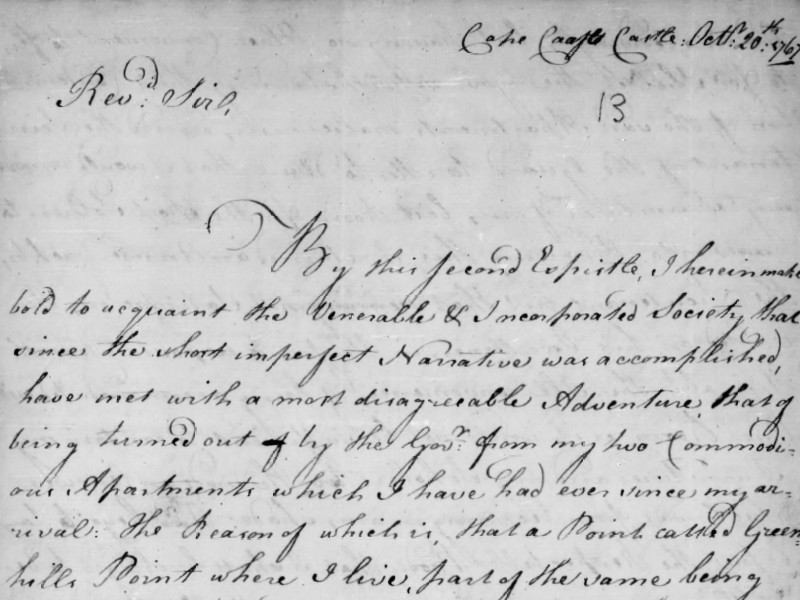
Upon making Enquiry into the State of the Churches within my District, I found that the Members were much disturbed, and in a very unsettled State, insomuch that some of them had Thoughts of leaving our Communion, and turning to the Dissenters.
Thomas Thompson, An account of two missionary voyages, img 19
Access the full collection
Access the full archive of Indigenous Cultures and Christian Conversion in Ghana and Sierra Leone, 1700–1850.
Study Christian Conversion in Ghana and Sierra Leone
Indigenous Cultures and Christian Conversion in Ghana and Sierra Leone, 1700–1850 was curated in association with the Bodleian Library.
This collection contains records compiled by the United Society Partners in the Gospel (USPG), a UK-based Anglican missionary organisation that operates globally. From the eighteenth to the early twentieth century the USPG went by the name of the Society for the Propagation of the Gospel in Foreign Parts (SPG).
This collection contains letters and supplementary material compiled by the organisation’s West African branches during the period 1700–1850. It includes the papers of Thomas Perronet Thompson, the first governor of the Colony of Sierra Leone, and those of Rev. Phillip Quaque, the first African to be ordained a minister of the Church of England. The collection contains a variety of sources that evidence the continuation of the slave trade. There is also material on the influential Rio Pongas mission conducted by the West Indian Church. The documents in this collection grant insights into the nature of British colonialism, the process of Christian conversion, and the functioning of the slave trade in West Africa.
Content Warning:This collection contains racist or offensive terms. Owing to their historical importance, the sources are in their original state. Please read our Sensitivity Statement for more information.
Contents
Indigenous Cultures and Christian Conversion in Ghana and Sierra Leone, 1700–1850...
Early Colonial and Missionary Records from West Africa
Licensed to access
The letters of Rev. Phillip Quaque, 1766–1811
This document includes letters and reports relating to life in a European fort in Western Africa. It covers Rev. Phillip Quaque’s arrival and reception. It also evidences his personal troubles regarding the education of his children and the treatment of his third wife after his death.
Licensed to access
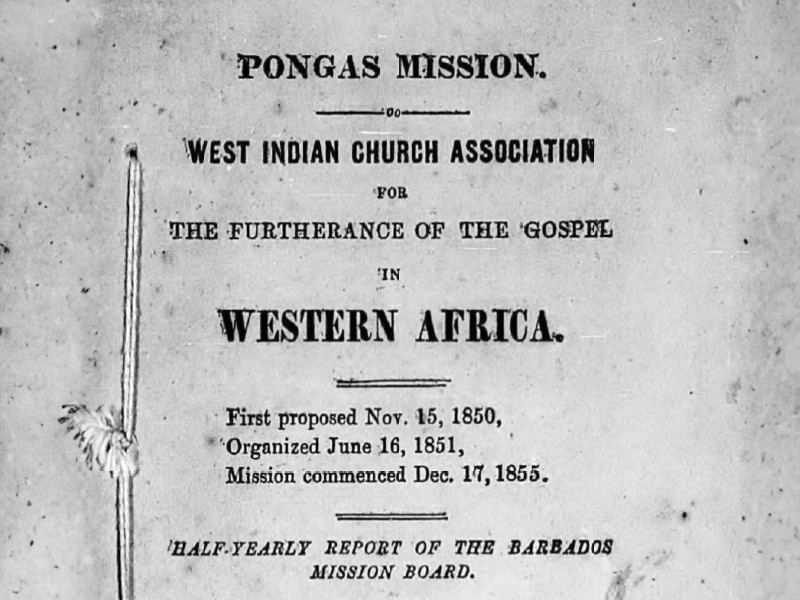
Pongas mission
This document includes the report of the Rio Pongas Mission. This commenced on 17 December 1855 and was conducted by the West Indian Church.
Licensed to access
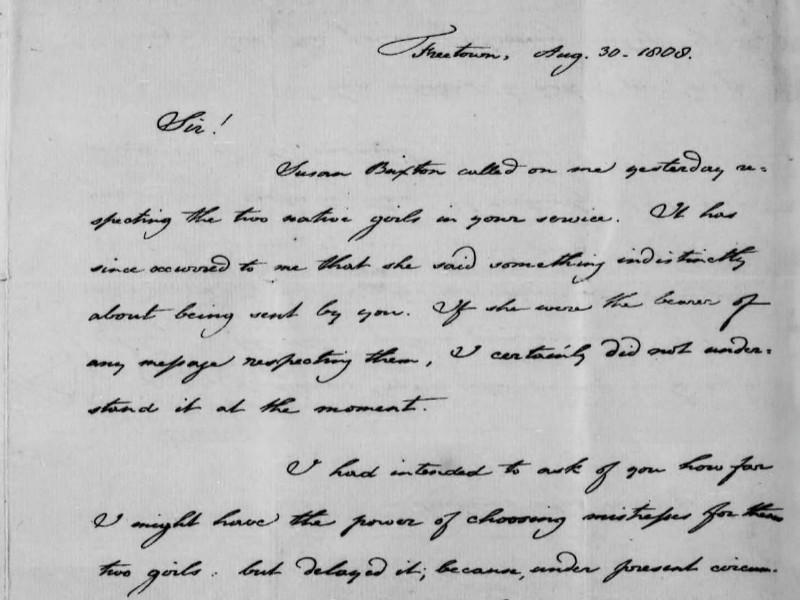
Sundry letters from Z. Macauley, T. Ludlam, and others to T.P.T.
This document contains evidence of the slave trade through receipts, licences, court proceedings, and correspondence.
Licensed to access
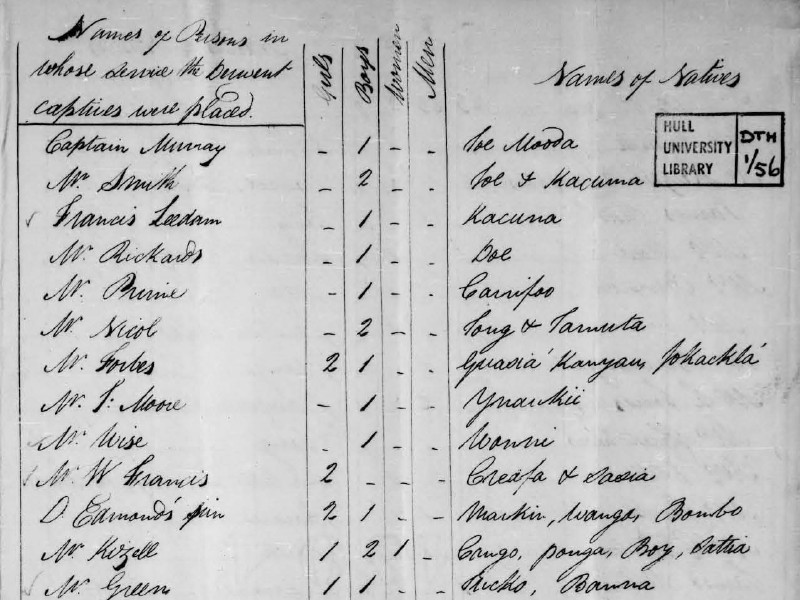
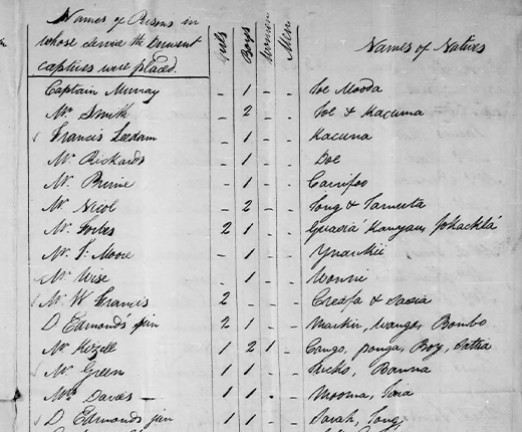
Originals of receipts passed in the case of enslaved people sold in the colony of Sierra Leone
This document details the fates of enslaved men, women, and children released from an American slave vessel and taken to Sierra Leone by the Royal Navy in 1808.
Insights
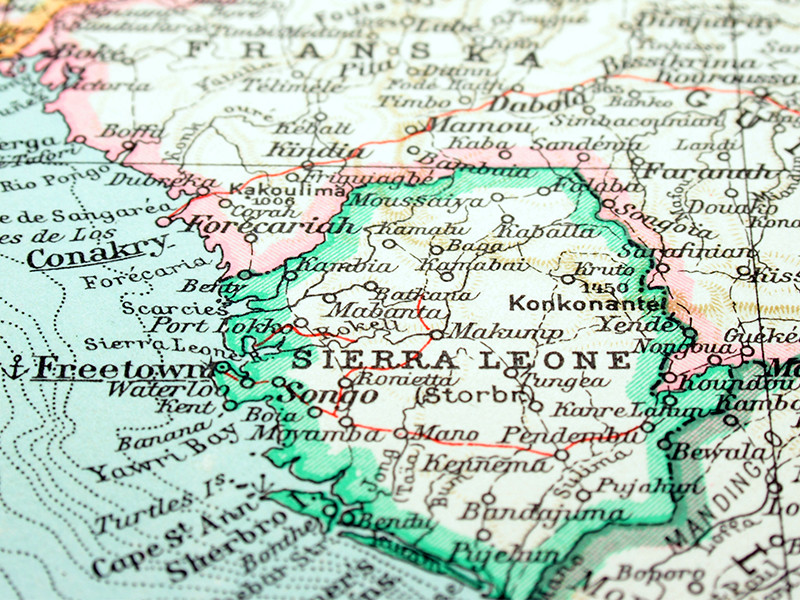
This collection includes correspondence from other missions in West Africa, including the Rio Pongas Mission. This was conceived by the West Indian Church in Barbados, and was conducted by West Indians of African descent.
Despite Britain's legal abolition of the slave trade in 1807, it continued to operate under the flags of other nations. The papers of Thomas Perronet Thompson reveal how slavers were caught and tried while he was governor.
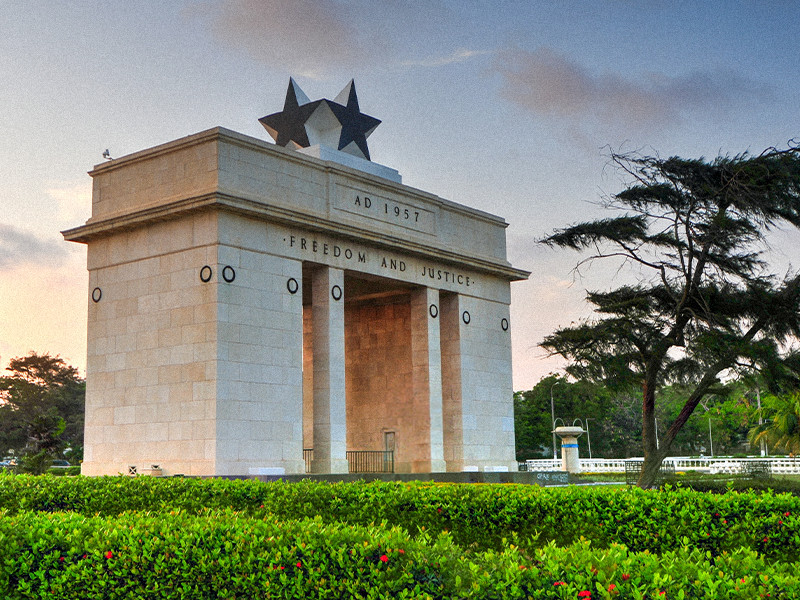
The Rev. Phillip Quaque was a native of the Cape Coast in Ghana. Sent to England for training, he became the first African to be ordained by the Church of England.
Thompson's idea of sending three young Ghanaians, including Phillip Quaque, to England was a source of great interest to the Society. Extracts from the Society's journal cover the conception and development of this project. The journal also contains a report on the subsequent progress of the men.
Our latest “Document of the Week” was chosen by our Senior Curator, Dr Mary Wills. It is a list of enslaved Africans released from a slave ship by the Royal Navy. It offers insights into Britain’s relationship with transatlantic slavery.
Read more →