Our New Purchasing Scheme is Open! Until 31 July 2026, grab a 20% discount on 20 of our most popular collections! ✕
Ghana in Records from Colonial Missionaries, 1886–1951

Ghana through the eyes of Anglican missionaries, 1886–1951
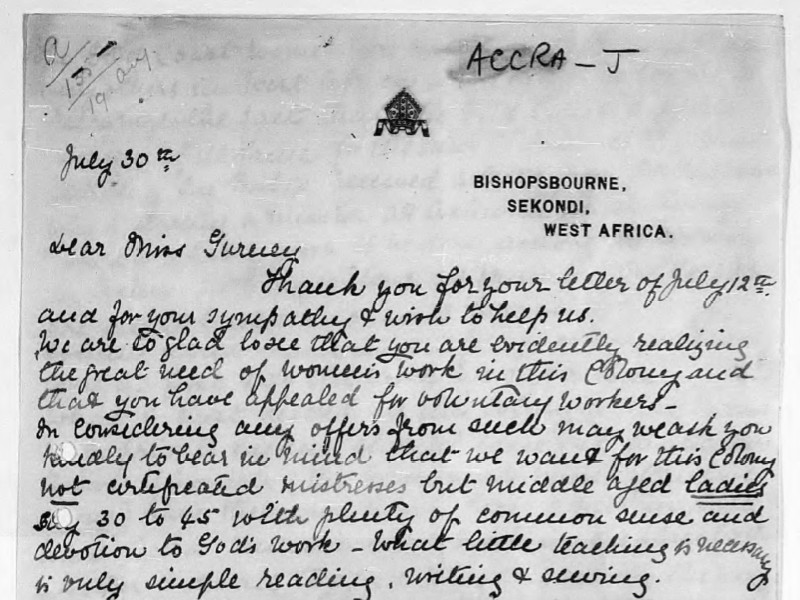
The present is a most critical moment for us who are trying under the greatest difficulties to hold our own and to make some headway against heathenism, and against the most regrettable indifference of so many, who though baptised, elsewhere, have lapsed into practical heathenism, or even worse.Committee of Women's Work (1907),
Access the full collection
Access the full archive of Ghana in Records from Colonial Missionaries, 1886–1951.
Institutional Free Trial
Start your free trialRegister for a free 30-day trial of Ghana in Records from Colonial Missionaries, 1886–1951, for your institution.
Institutional Sales
Visit Sales PagesellFor more information on institutional access, visit our sales page.
Single User License
Purchase a license below to view the full collection.
Already have a license? Sign in.
USPG records from Ghana
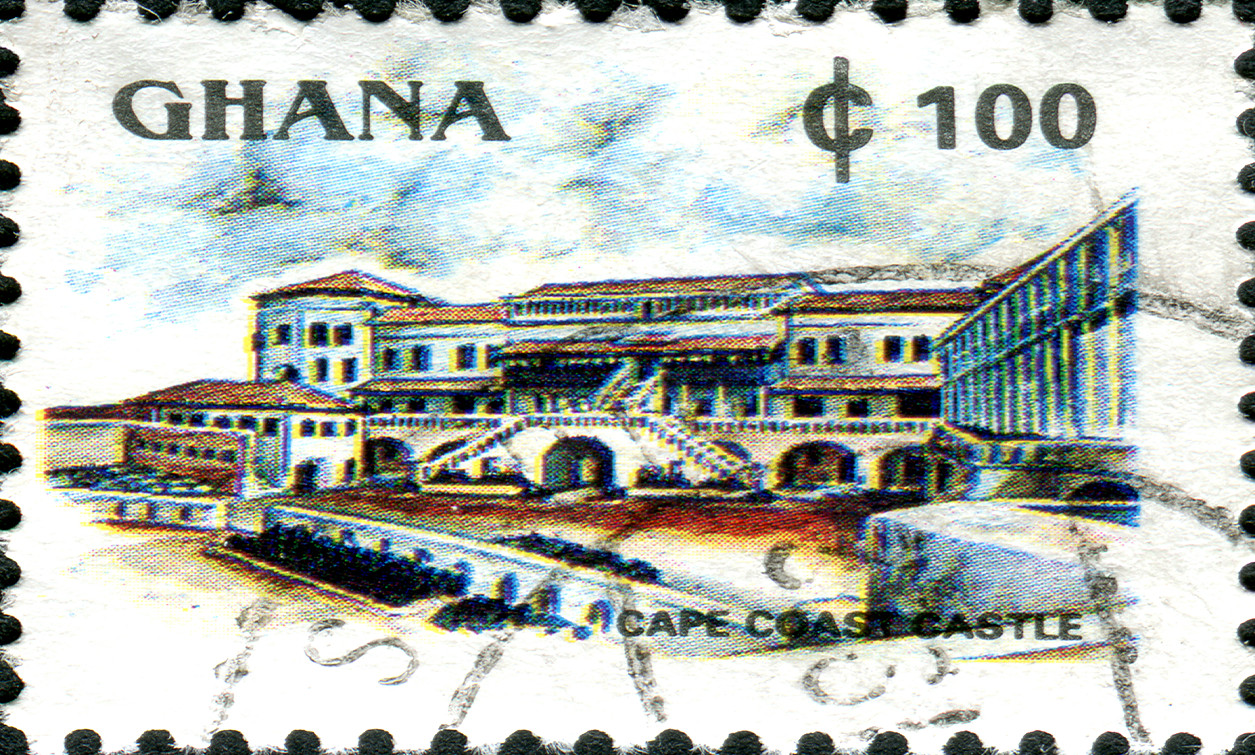
Ghana in Records from Colonial Missionaries, 1886–1951 was curated in association with the Bodleian Library.
This collection contains records compiled by the United Society Partners in the Gospel (USPG), a UK-based Anglican missionary organisation that operates globally. From the eighteenth to the early twentieth century the USPG went by the name of the Society for the Propagation of the Gospel in Foreign Parts (SPG).
The SPG’s mission was established at Cape Coast Castle in 1752 by Rev. Thomas Thompson. Thompson was succeeded by Rev. Philip Quaque, the first African to be ordained a priest of the Church of England. The mid-nineteenth century saw a revival of Anglican missionary activity with the arrival of missionaries sent by the Mission of the West Indian Church to West Africa, an organisation that was based in Barbados.
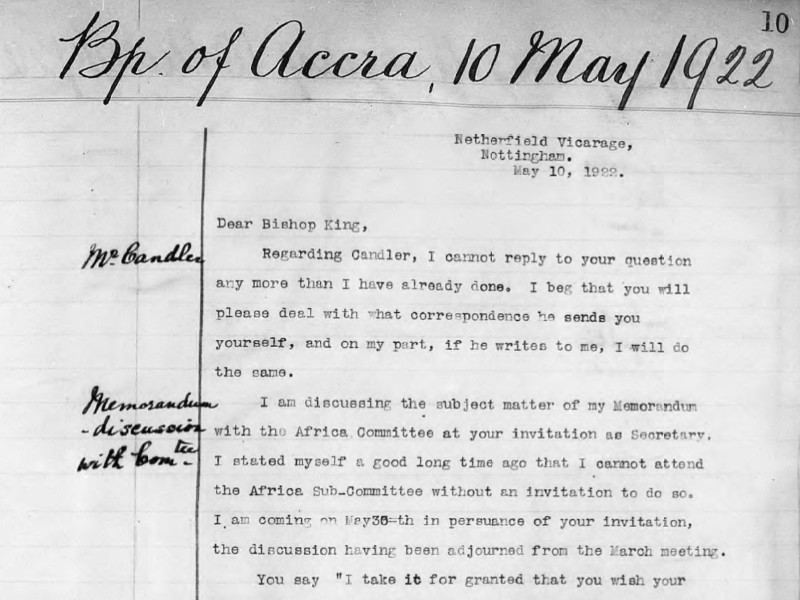
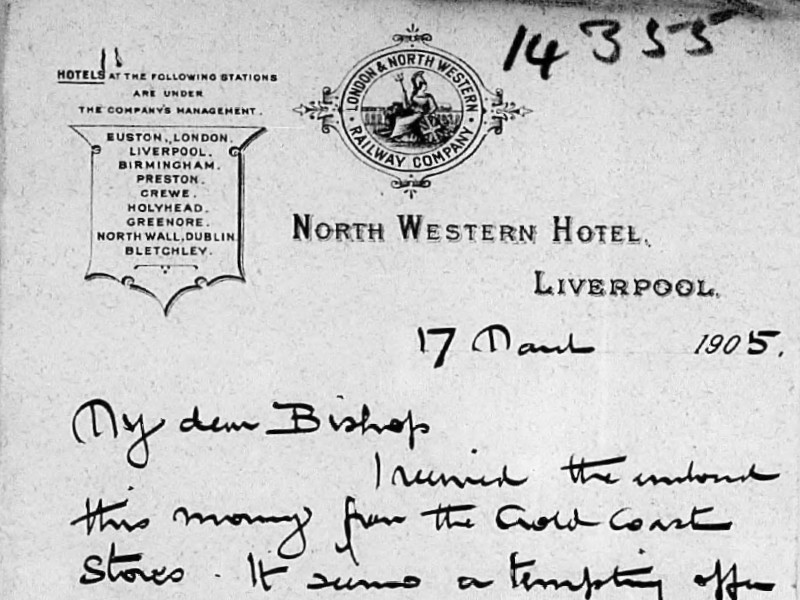
This collection contains letters, reports, and supplementary material relating to missionaries who worked in Ghana throughout the period 1886–1951. These documents contain a wealth of information, especially with regard to the spread of English education and to the introduction of education for women. The collection provides students and academics with unique insights into the evolution of the SPG and the broader development of Christianity in Ghana.
Contents
Ghana in Records from Colonial Missionaries, 1886–1951...
Ghana through the eyes of Anglican missionaries, 1886–1951
Discover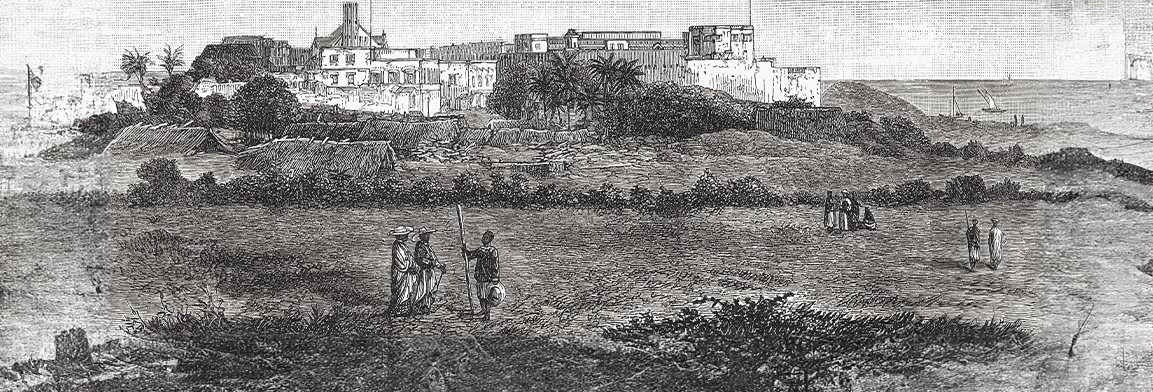
Highlights
Insights
The SPG was founded in 1701 and originally sent priests and teachers to America. It expanded into the West Indies, Canada, Australia, and West Africa throughout the eighteenth century.
A key aim of the SPG in Ghana was to spread education. These records therefore contain considerable material relating to schooling.
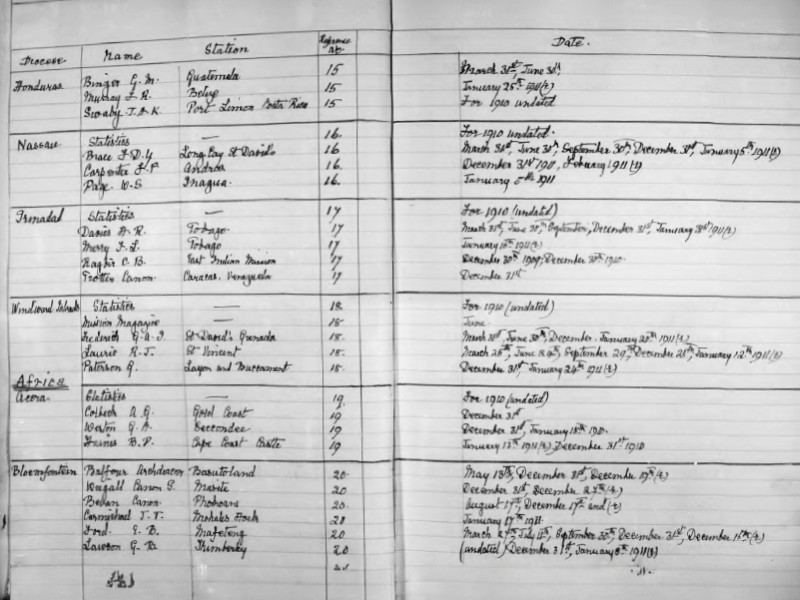
The original letters from abroad cover West Africa from 1899 to 1933. They include Sierra Leone 1900–1933; Ghana 1903; Cape Verde 1904–1910; and St. Vincent 1907–1912.
The Committee of Women’s Work was responsible for the introduction of education for women. These records highlight how the First World War affected this organisation’s strategy.
Unlock Historical Research for Your Institution
Provide your students and researchers with direct access to unique primary sources.