Fascism, national socialism, and anti-Semitism in the United Kingdom
When Fascism came into power, most people were... unable to believe that man could exhibit such propensities for evil, such lust for power, such disregard for the rights of the weak, or such yearning for submission.
Erich Fromm, The Fear of Freedom
Access the full collection
Access the full archive of The British Union of Fascists: 1933–1953.
Trace the rise and fall of British fascism before, during, and after the Second World War
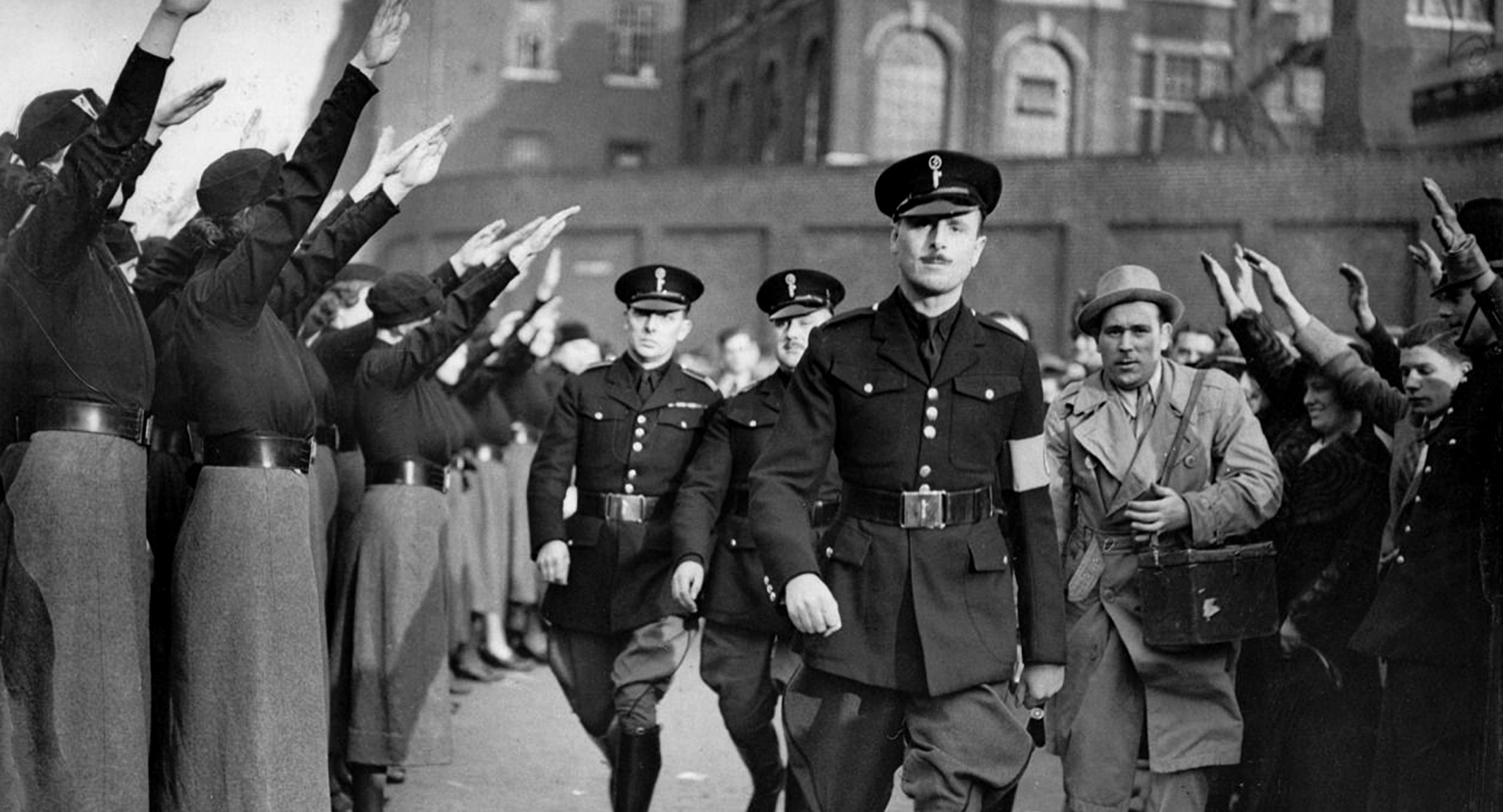
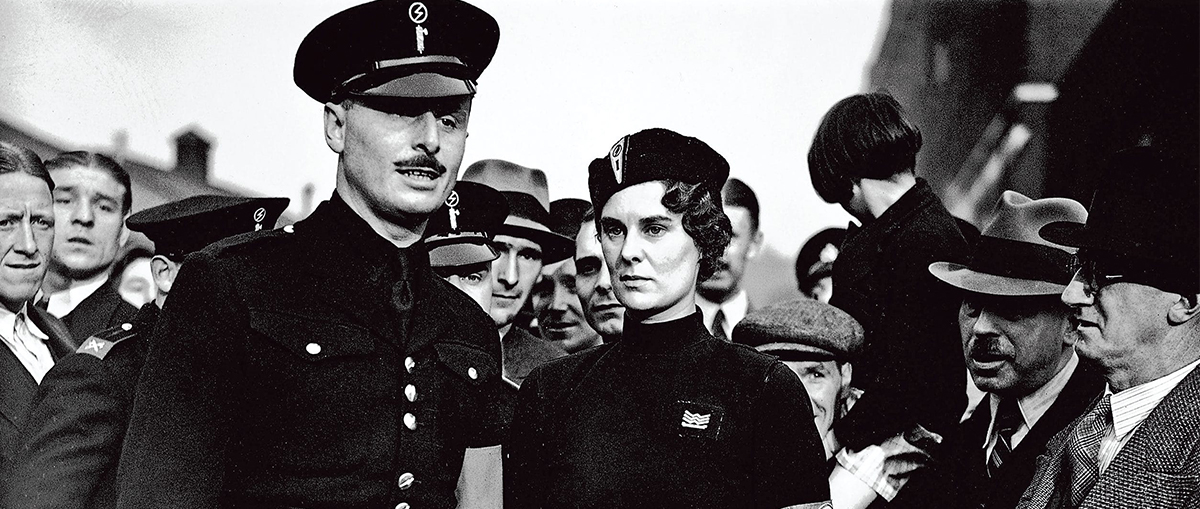
Though most often associated with the regimes of Adolf Hitler and Benito Mussolini in Germany and Italy, fascism was also a feature of the British political landscape during the 1930s and 1940s. Founded in 1932 by former Conservative and Labour MP Oswald Mosley, the British Union of Fascists (BUF) initially garnered considerable support, including from popular periodicals such as the Daily Mail. The party and its supporters – known as “blackshirts” – drew on racist British imperial discourse and mirrored the antisemitic attitudes of its German and Italian counterparts. The party frequently engaged in violent confrontations with anti-fascist groups, culminating in the Battle of Cable Street in London’s East End, in October 1936.
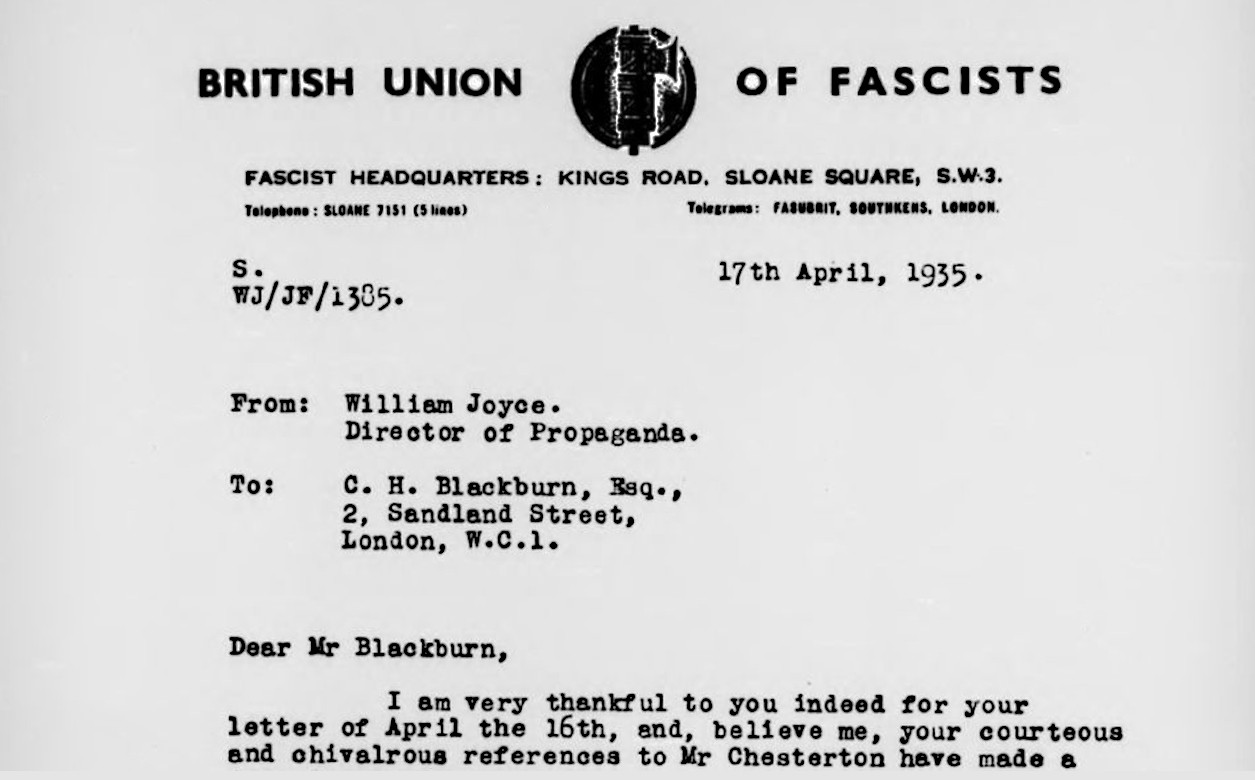
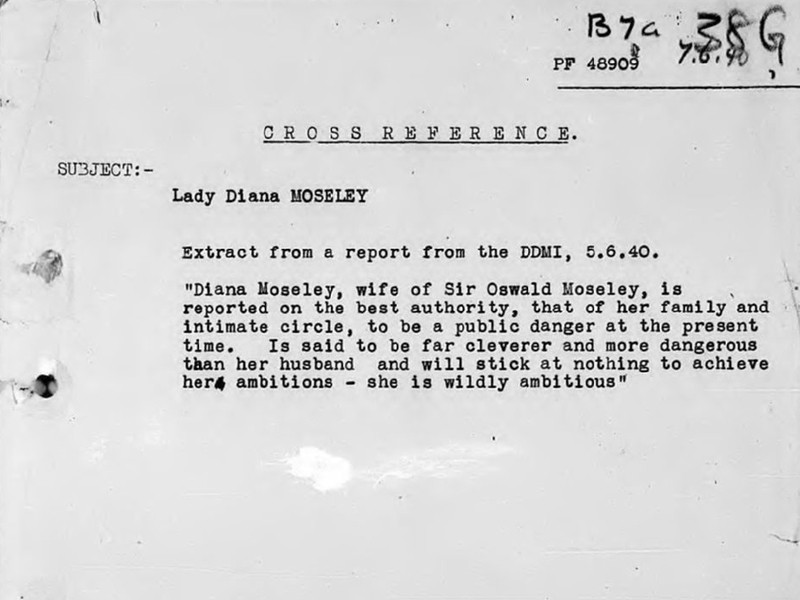
Featuring nearly 8,000 images, this collection contains a wealth of material charting the political trajectory of Mosley and the BUFbetween 1933 and 1953. It holds a cross section of personal papers from key members of the British fascist movement, such as Nazi propagandist William Joyce (commonly known as “Lord Haw Haw”). The collection also includes documents from various UK government departments which, throughout the 1930s and 1940s, sought to temper the influence of the BUF leader and his supporters. This includes documents detailing MI5’s surveillance of Mosley and his wife Diana Mosley (née Mitford), which led to their eventual internment in 1940 after the Battle of France.
This collection will interest students and researchers wishing to explore this often-overlooked chapter in modern British history.
Content Warning: This collection deals with traumatic eras and events that users may find upsetting. Owing to their historical importance, the sources are in their original state. Please read our Sensitivity Statement for more information.
Contents
The British Union of Fascists: 1933–1953...
Fascism, national socialism, and anti-Semitism in the United Kingdom
Licensed to access
MI5 records on Oswald and Diana Mosley, 1933–1940
A cache of records of MI5 activity pertaining to prominent fascists Oswald and Diana Mosley. The files cover house searches, espionage, and other covert operations carried out to identify the threat that the Mosleys posed to national security.
Licensed to access
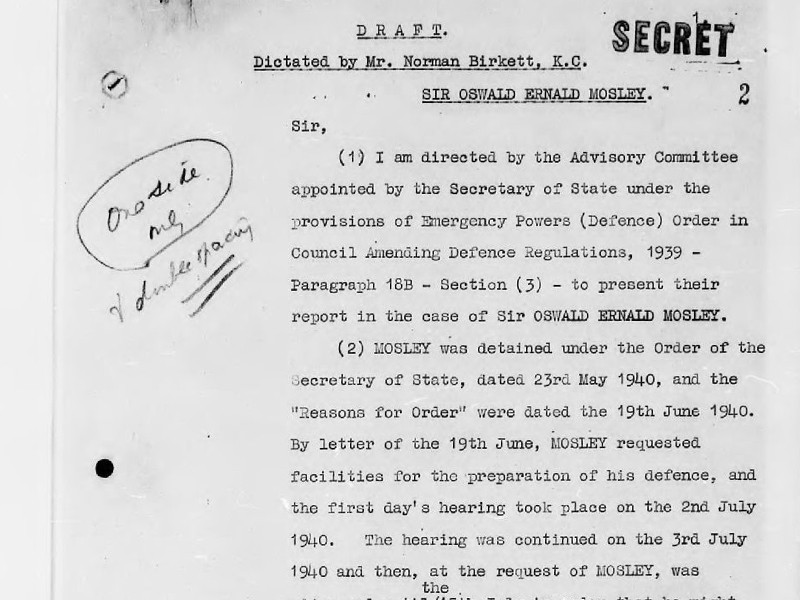
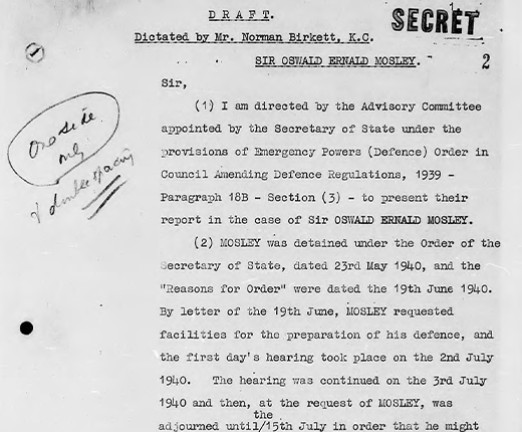
Advisory Committee recommendations regarding Mosley’s internment in 1940
Files concerning the Advisory Committee’s recommendations regarding the internment of Oswald Mosley. The report outlines the history of Mosley's leadership of the British Union of Fascists, his and their plans for achieving power, the question of whether they were under foreign influence, and an investigation into the group’s finances.
Licensed to access
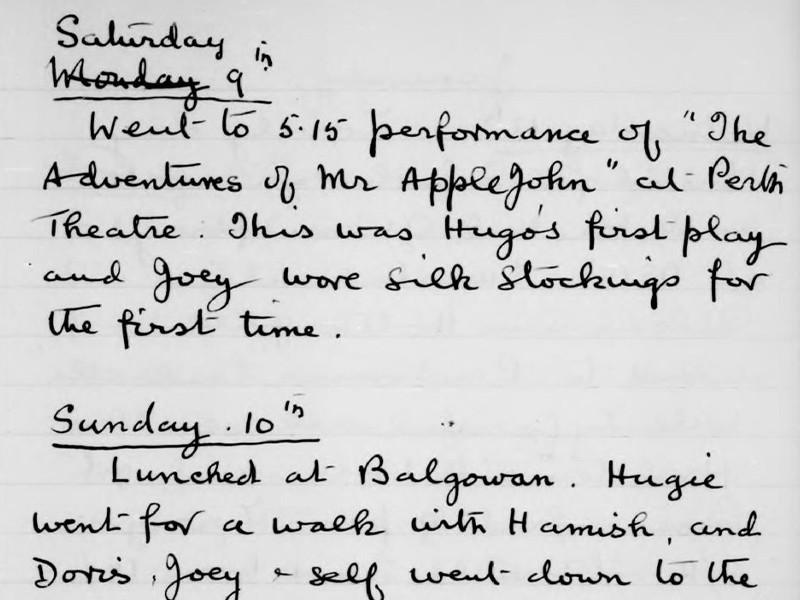
Captain Luttman-Johnson's diary entries, 1937–1940
This file documents the day-to-day activities of a leading fascist in Britain, as well as offering a perspective on political and military developments across Europe. Fascist sympathies are revealed through Luttman-Johnson's commentary on Nazi expansionism, the desire for what he justified as British neutrality, and the celebration of Franco’s nationalist victory in Spain.
Licensed to access
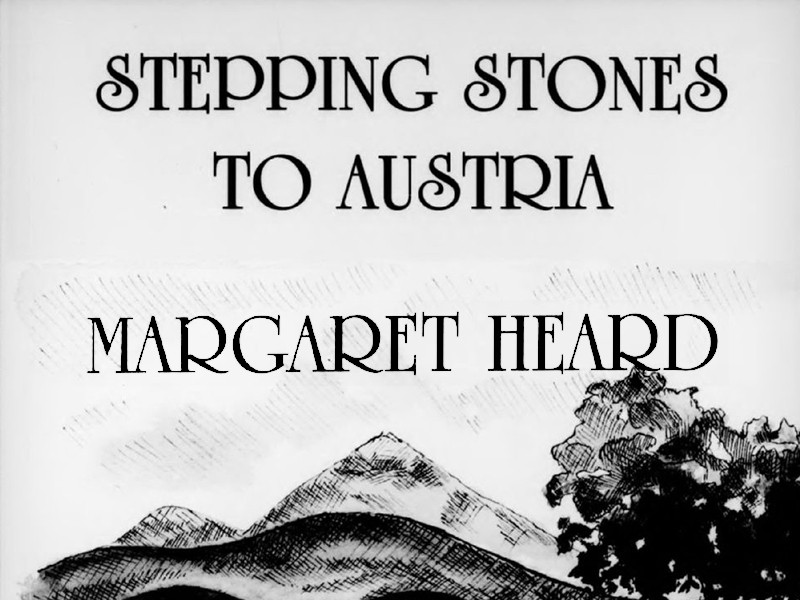
Papers and correspondence of Margaret Heard, 1933–1953
This document is largely composed of a book called Stepping Stones to Austria, a biography by Margaret Heard, who was involved in the fascist movement with her husband. The book details his internment in 1940, as well as his subsequent departure to Austria.
Insights
Oswald Mosley was born into a wealthy aristocratic family which could be dated as far back as the rule of King John in the twelfth century.
A political chameleon, Mosley was elected as a Conservative Party MP at the age of just 21, before “crossing the floor” and eventually aligning himself with the Labour Party. By 1931, he had become disillusioned with both major parties and toured the “new movements” that were burgeoning in Italy and Germany.
Mosley established the British Union of Fascists (BUF) in 1932 and they became increasingly radical in their advocation of Nazi-style antisemitism and authoritarianism.
A large part of the collection is drawn from the personal papers of those involved in local or national leadership roles within the British fascist movement. They demonstrate an admiration of fascist activity in Germany, Italy, and Spain.
As the documents demonstrate, the British intelligence services had penetrated the BUF at the highest level, which led to the arrest of several fascists in 1940, including Mosley. The documents reveal details of his internment, and that of other BUF members. Mosley was released on house arrest in 1943, by which point his politics were largely discredited due to hostilities between Britain and the fascist regimes of Germany and Italy.
Unperturbed by Nazi Germany’s defeat, in 1948, Mosley founded the Union Movement (UM), the successor organization to the BUF. The UM was one of the first British political organisations to begin campaigning against migration from the British Commonwealth after the war. Through the UM, Mosley maintained international links with European neo-fascists. In 1951, he left Britain, first for Ireland and then for France. Mosley made several unsuccessful attempts to become an MP in the 1950s and 1960s, running on an anti-immigration, white supremacist ticket. He died in France in 1980.
Our latest “Document of the Week” was chosen by our Senior Curator, Dr Charlie Hall. It comprises a report written in support of the decision taken by the Home Secretary, John Anderson, to detain Sir Oswald Mosley, leader of the British Union of Fascists (BUF)
Read more →