Global governance, geopolitics, and international political economy during the early Cold War
This resource will be of great use to researchers and students from different disciplines who wish to understand the treaties, institutions, and norms that led to the emergence and endurance of the post-war order and Cold War.
Dr Bleddyn Bowen,
University of Leicester.
Access the full collection
Access the full archive of Establishing the Post-War International Order, 1944–1961.
Study the institutions, treaties, and events that shaped the post-war world, from Bretton Woods to the Berlin Wall
Curated in association with TheNational Archives (UK), this collection provides an unparalleled insight into the political, economic, and military foundations of the post-war international order. The materials, which are diverse in nature, cover a wide range of subject matter, shedding light on the perspectives of various state and non-state actors during periods of both cooperation and conflict. The United Nations (UN), Marshall Plan, World Bank, International Monetary Fund (IMF), General Agreement on Tariffs and Trade (GATT), North Atlantic Treaty Organization (NATO), and European Economic Community (EEC), to name but a few examples, are all accounted for.
In addition to diplomatic files relating to key organisations, agreements, and events, records of global commodity prices, including gold, oil, and food, feature heavily. Most of the documents are derived from the annals of the British Board of Trade (i.e. BT 64), Cabinet Office (i.e. CAB 128), Foreign Office (i.e. FO 371), and Treasury (i.e. T 274). Brought together here for the first time, these files are intended for use by those working across the humanities and social sciences, from history and international relations, to economics and international law.
Contents
Establishing the Post-War International Order, 1944–1961...
Global governance, geopolitics, and international political economy during the early Cold War
Licensed to access
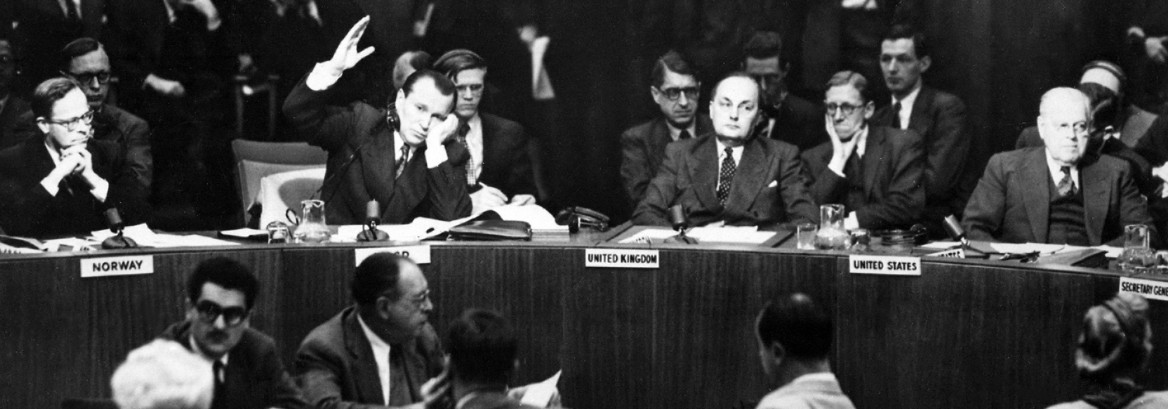
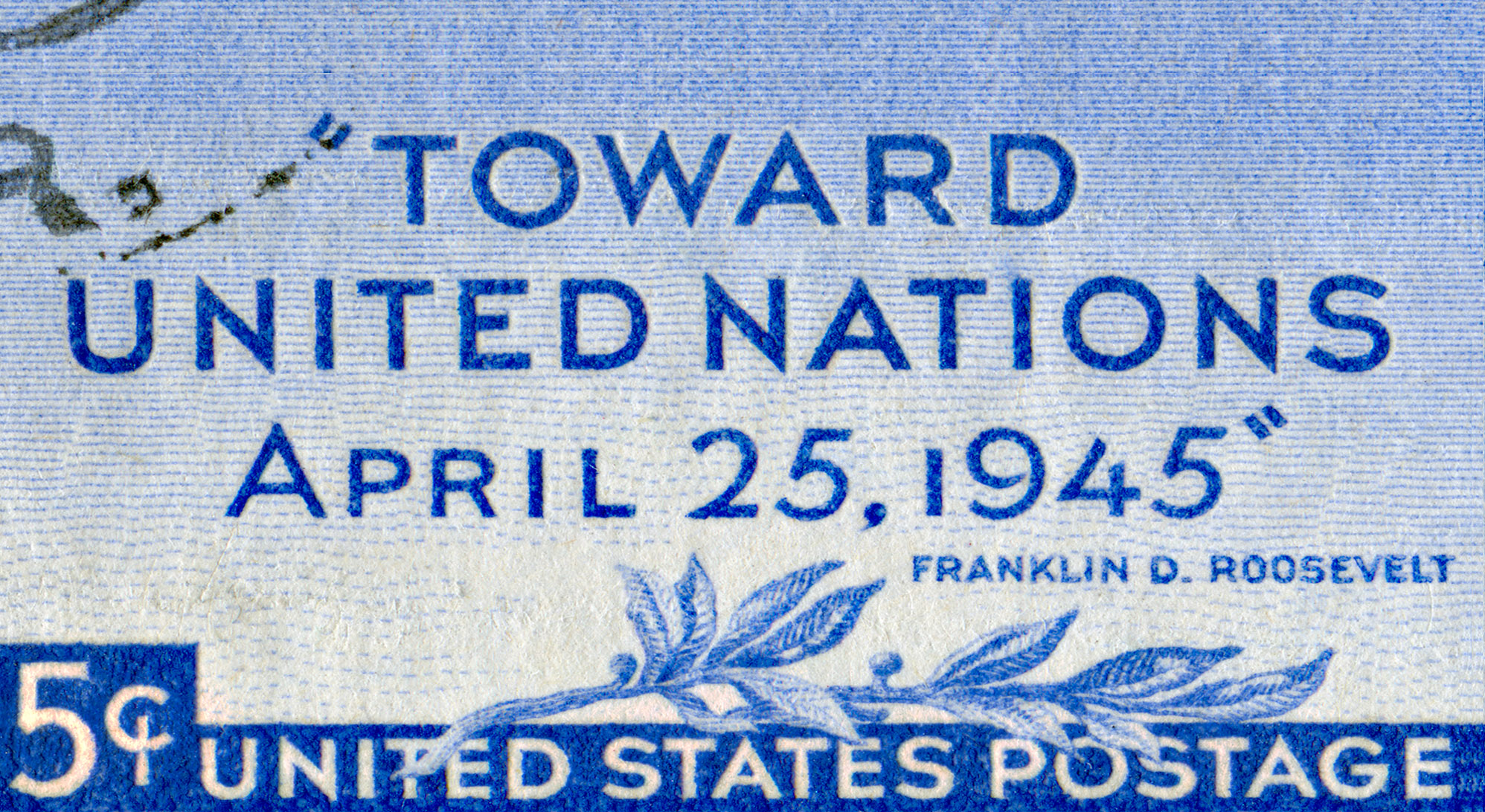
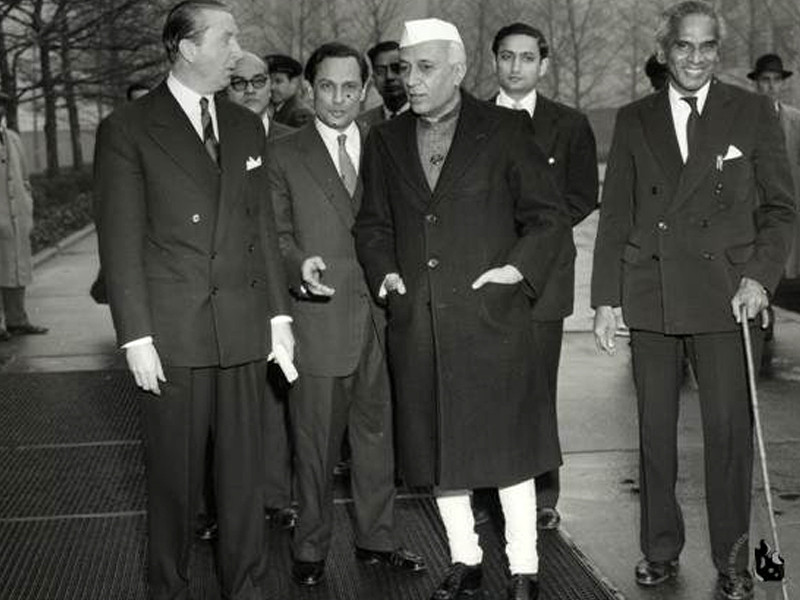
Documents relating to the United Nations, 1944-1961
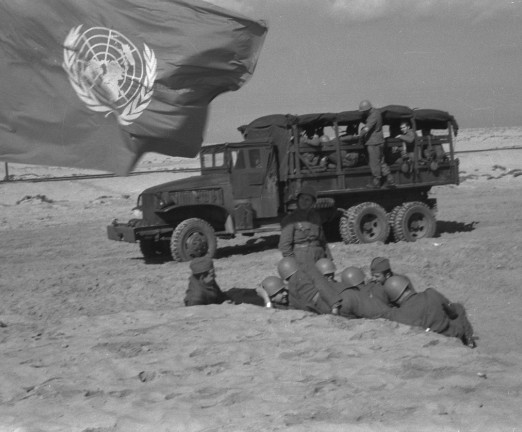
The United Nations was founded in the aftermath of the Second World War with the aim of maintaining international peace and security. These items shed light on its origins, structures, and functions.
Licensed to access
Documents relating to post-war commodities, 1945-1961
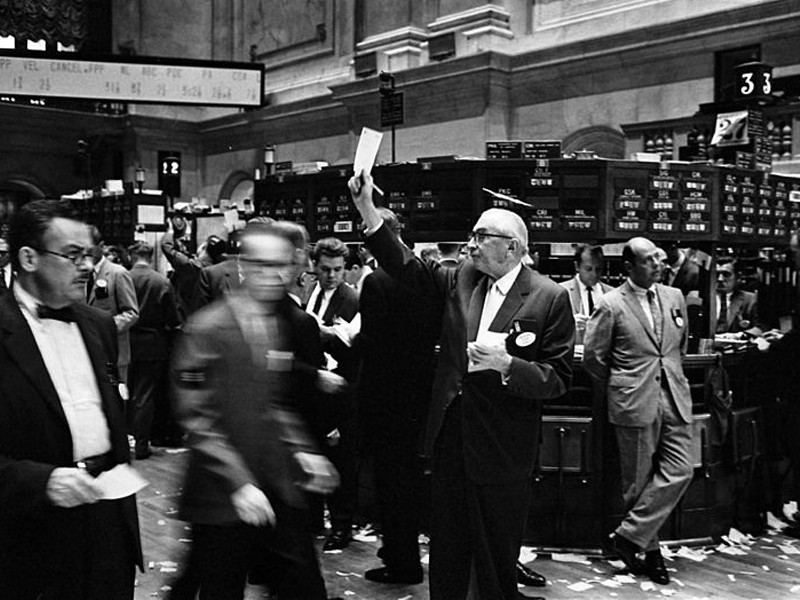
Commodity prices played an important role in the post-war economic boom. These materials place their fluctuations in context, highlighting the impact of both micro- and macroeconomic trends.
Licensed to access
Materials on the alleged use of biological weapons during the Korean War, 1952
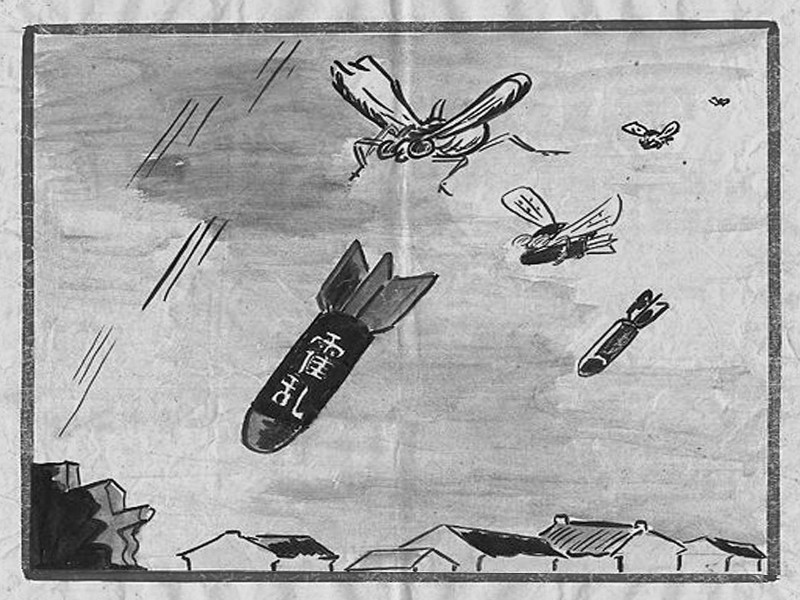
These records from 1952 detail Soviet and Chinese allegations that American forces used biological weapons in North Korea.
Licensed to access
UK negotiations with the EEC and EFTA, 1961
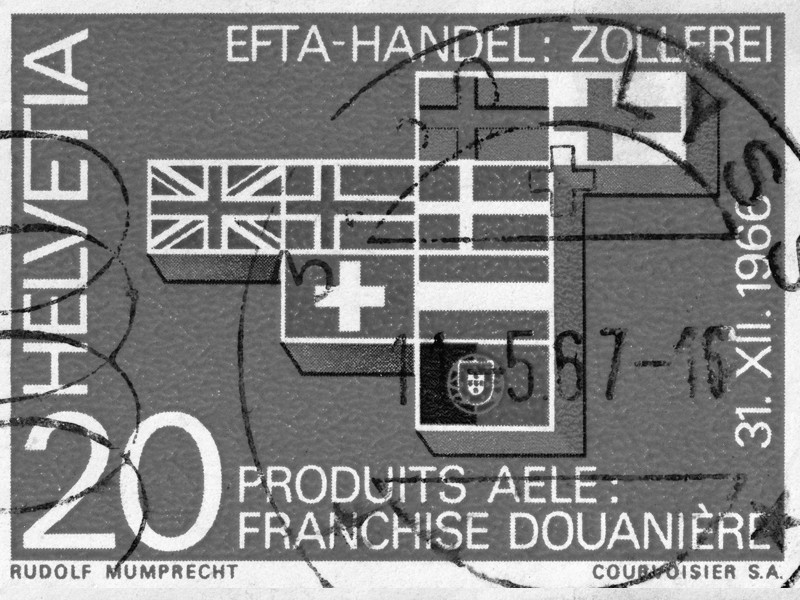
The UK first applied to join the European Economic Community (EEC) in 1961. This document reveals Britain’s position through its discussions with other members of the European Free Trade Association (EFTA).
Insights
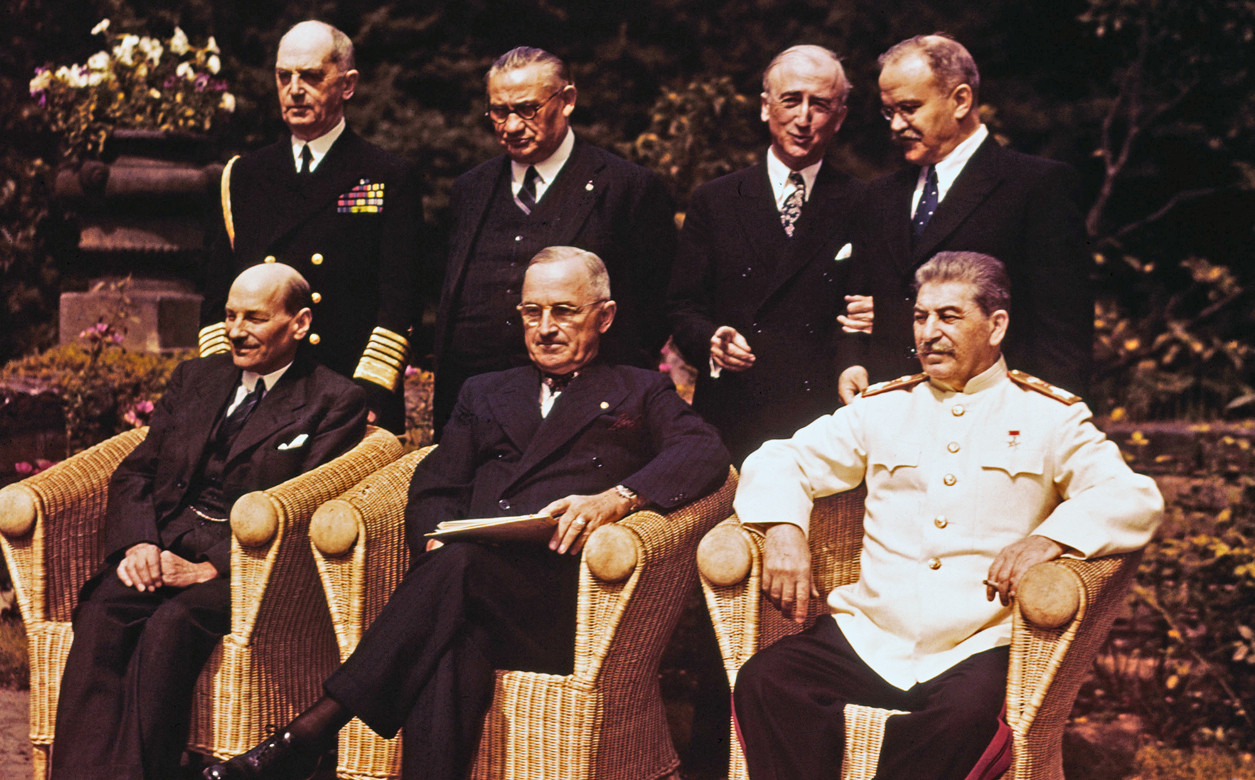
In the aftermath of the Second World War, the triumphant Allied powers agreed to create a series of multilateral institutions and regimes to peacefully govern the emerging international system.
While some found support on either side of the so-called Iron Curtain, others were very much the product of the West and its particular interests.
The records in this collection illuminate the ideas, alliances, and antagonisms underpinning those interests, demonstrating how they influenced policymaking and ultimately shaped the post-war world.
Most of the documents come from the annals of the Government of the United Kingdom, and as such, provide a distinctly British and Commonwealth perspective on events.
This perspective includes civil society groups, such as industry bodies and labour unions, which had an important stake in the international situation, especially when it came to trade agreements and commodity markets.
That said, a significant proportion of the material was either produced by foreign governments and international organisations or deals directly with their concerns, influence, and behaviour.
The search function works best at volume level. For those requiring further information, this collection can be used in conjunction with the National Archives’ Discovery catalogue.
In Western historiography, it is often presented as a given that the end of the Second World War ushered in a new international order. As this archival collection shows, a series of treaties and institutions including the United Nations (UN), the World Bank, the International Monetary Fund (IMF) and the...
Read more →