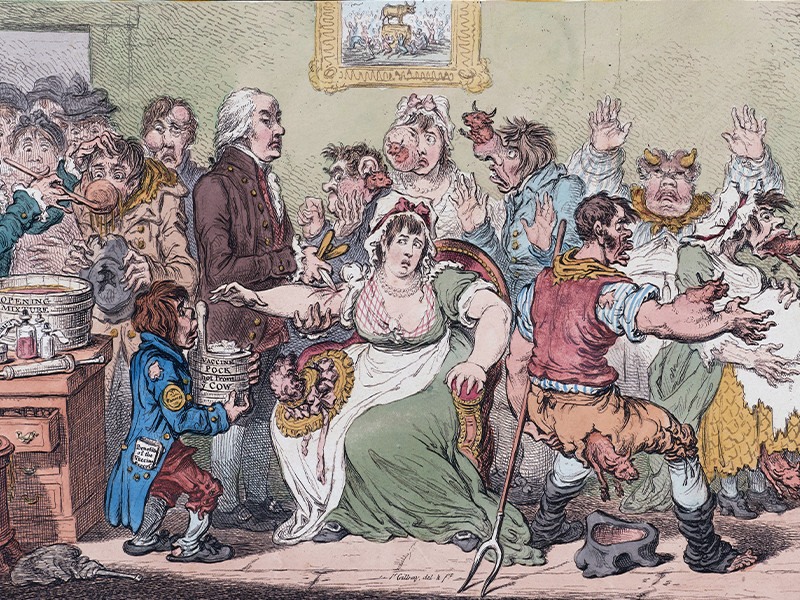
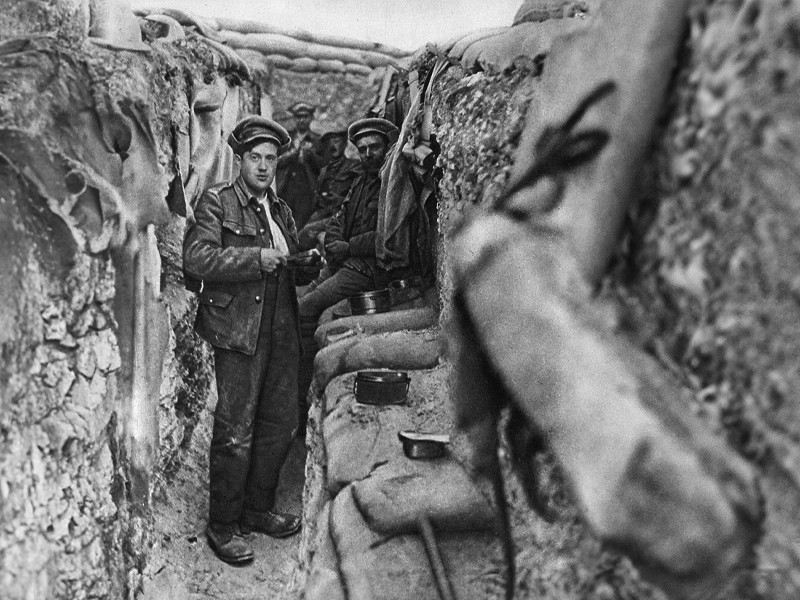
Charting the course and consequences of pandemics over five centuries, Pandemics, Society, and Public Health, 1517–1925, collates archival materials relating primarily to the history of the UK. The collection concentrates on four diseases that have left a significant mark upon British history: plague, cholera, smallpox, and influenza.
This collection boasts over 79,000 images, meticulously sourced from four leading UK archives: The National Archives, British Library, University College London, and The London Archives. It has been curated along thematic lines—economics and disease, control measures, international relations, medicine and vaccination, and public responses. Owing to the complexity and sensitivity of this material, academics, archivists, and museum professionals were consulted throughout the curatorial process.
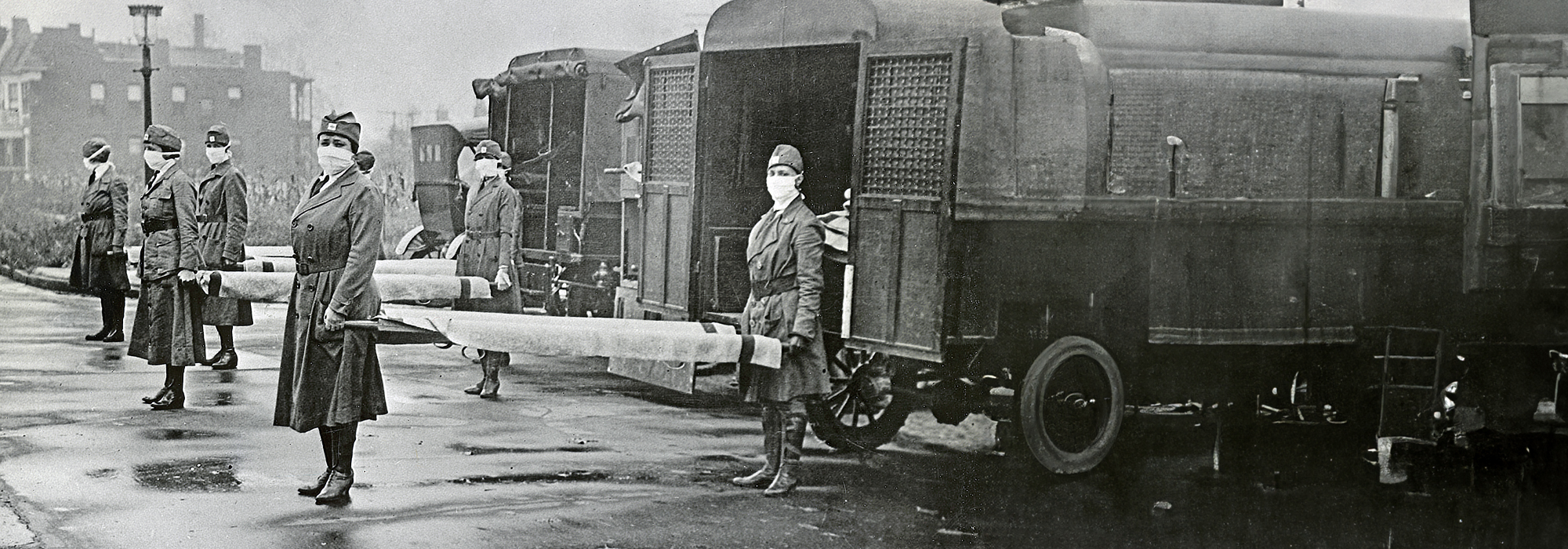
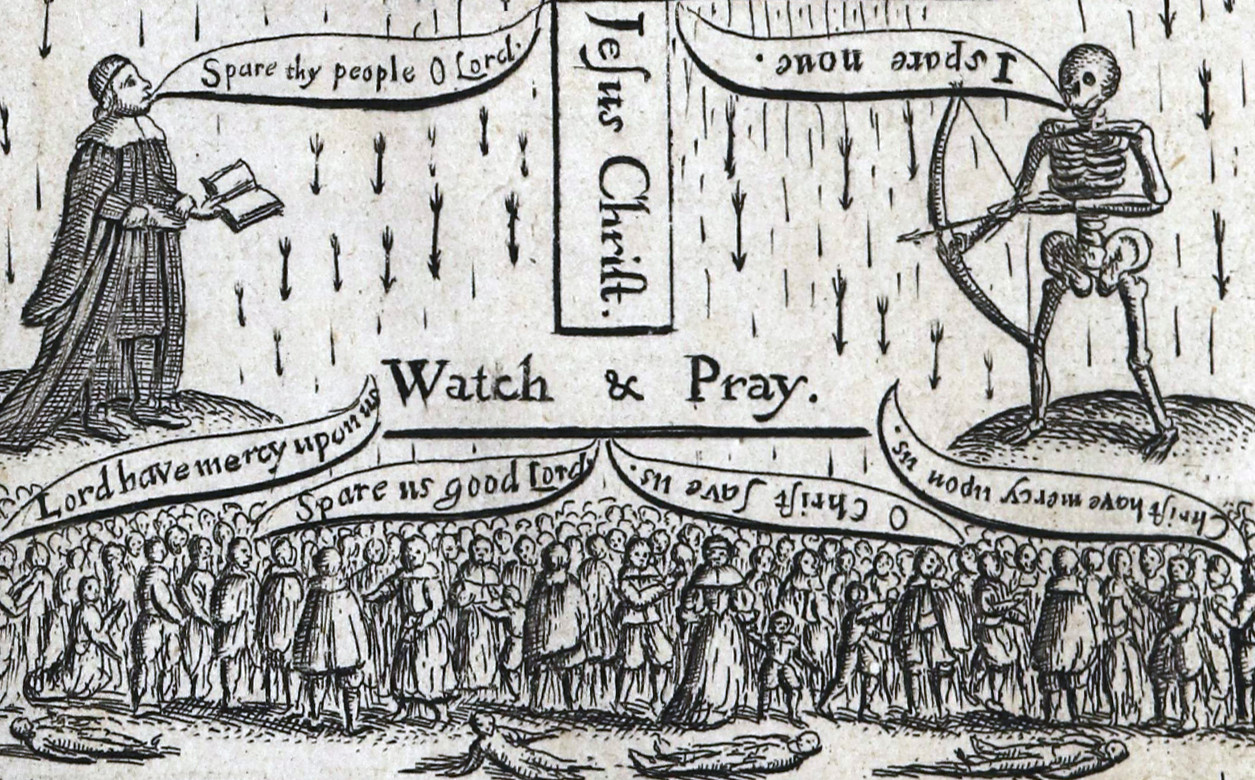
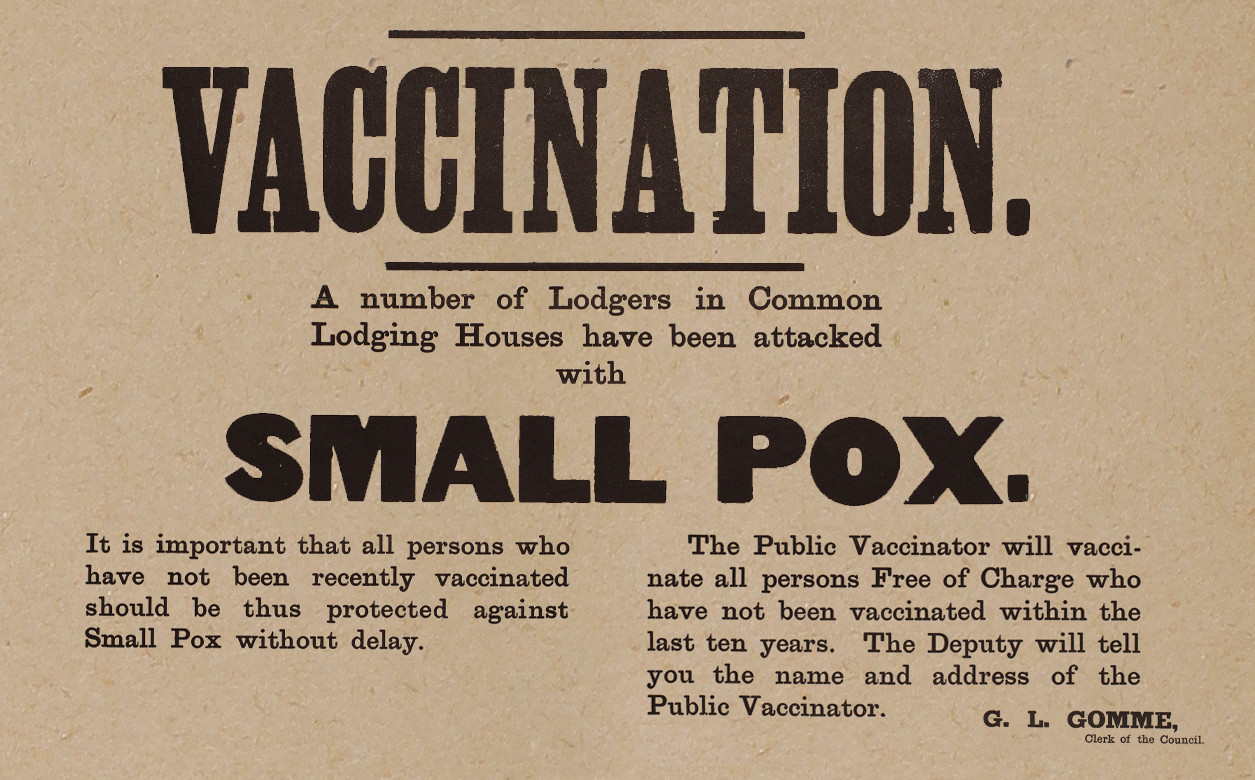
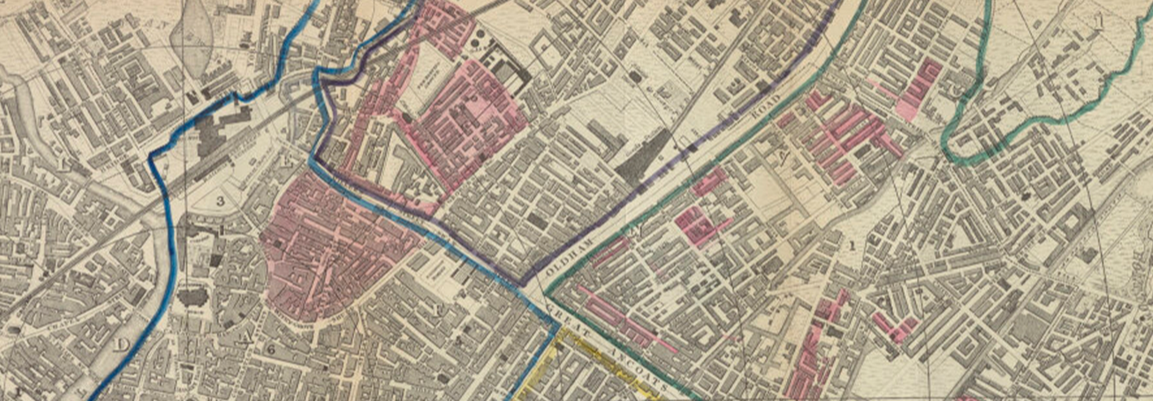
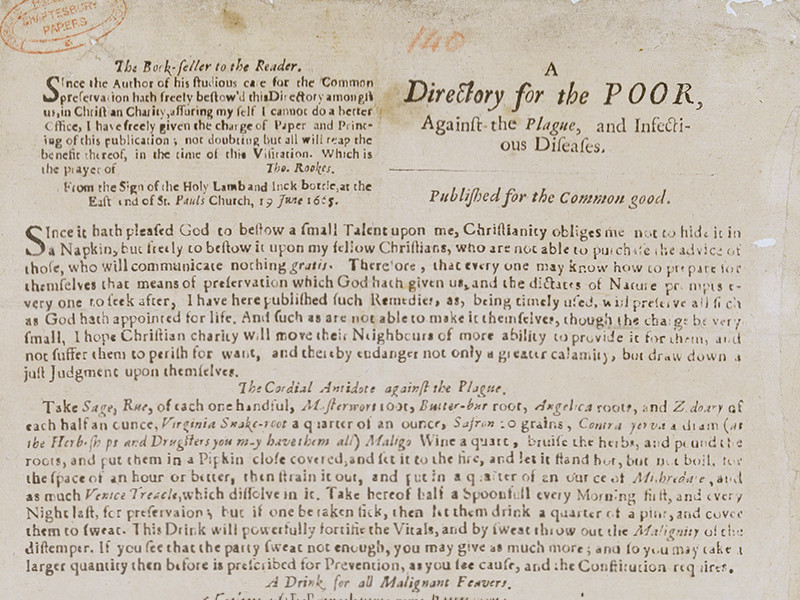
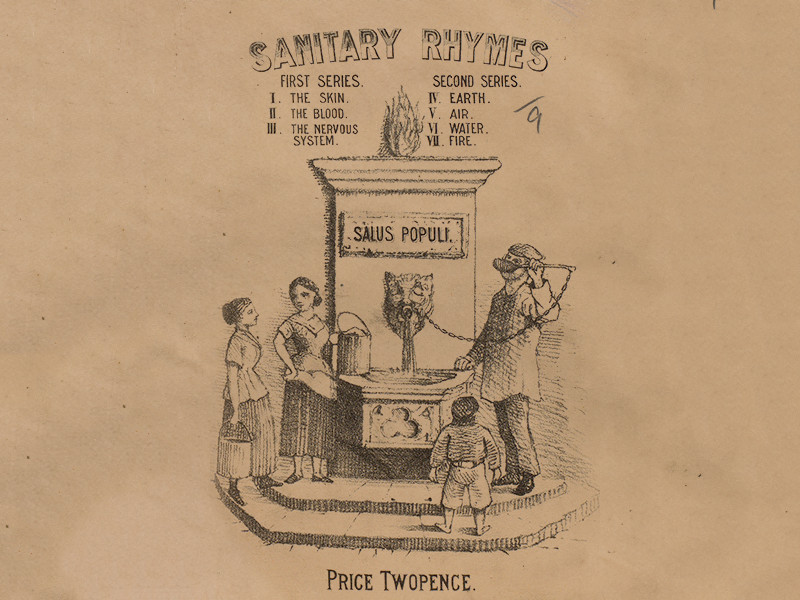
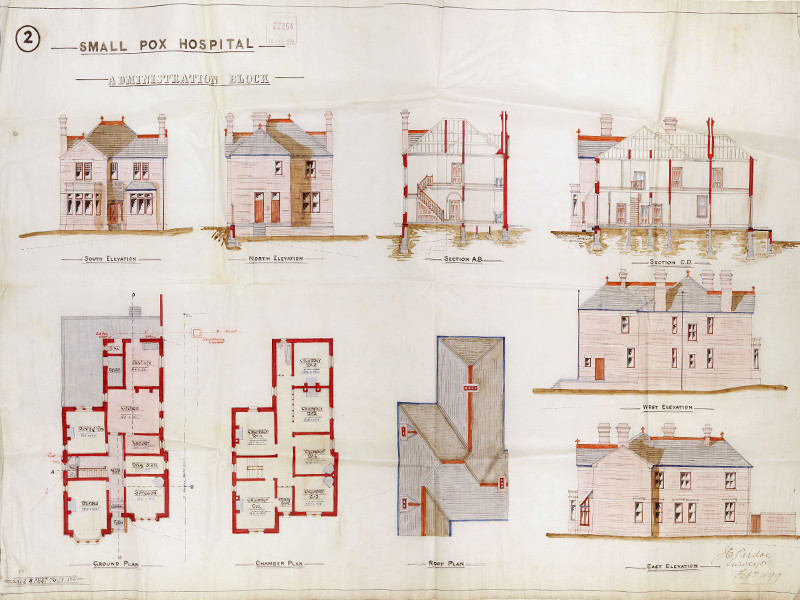
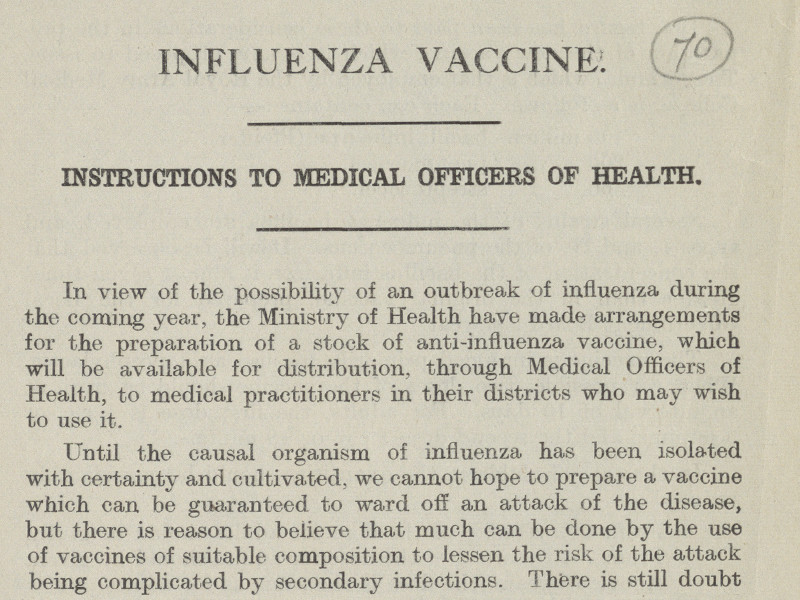
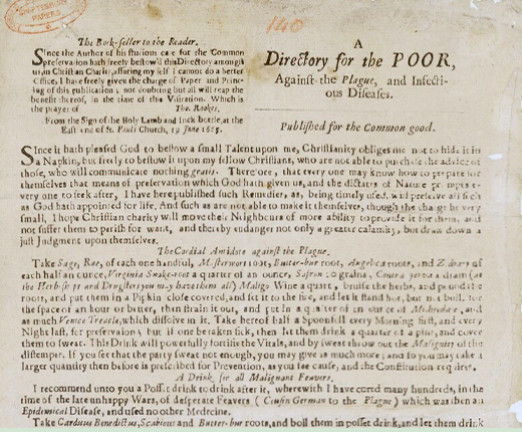
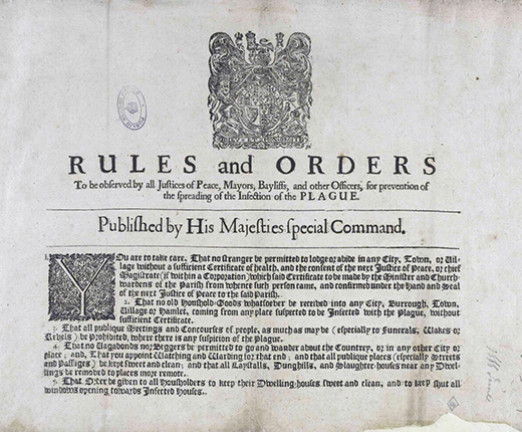
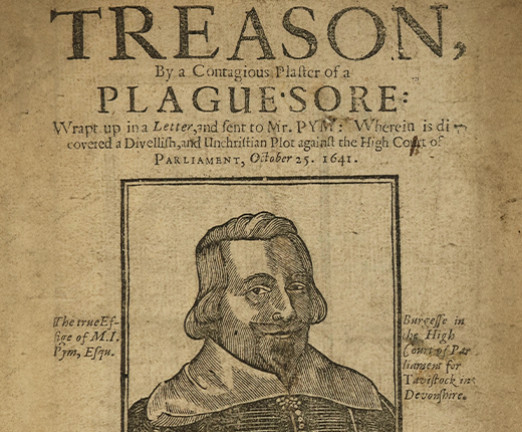
The collection opens with sources relating to the first state-mandated quarantine in England in 1517. It concludes with documentation regarding the devastating effects of the 1918 influenza pandemic (often referred to as the “Spanish Flu" pandemic). The material is rich and diverse. You will come across prayers to help safeguard populations from plague, records of attempts to transmit smallpox via infected letters, prosecutions of those failing to comply with government-imposed quarantines, registers of patented designs featuring vaccination and sanitation equipment, and sheet music to boost morale during the influenza pandemic that followed the First World War. This collection likewise contains sources drawn from the papers of some of the most influential figures in medical and social history, such as Edward Jenner, Edwin Chadwick, Florence Nightingale, and John Snow.
Given the eclectic nature of the material that it brings together, and its expansive chronological scope, Pandemics, Society, and Public Health, 1517–1925, will appeal to students, educators, and researchers working within a variety of scholarly fields, from the history of science and the history of medicine, to cultural and social history.








![The Hospital of Bethlem [Bedlam] at Moorfields, London: seen from the north, with sheep grazing and people walking in the foreground. Coloured wood engraving by W. H. Prior.](https://d1sxy7l4fhu207.cloudfront.net/uploads/staging/1738/conversions/BOA_RBRH_Card_1630494275-800x600.jpg)