Our New Purchasing Scheme is Open! Until 31 July 2026, grab a 20% discount on 20 of our most popular collections! ✕
The Industrial Revolution: Technological Innovation in the Textile Industry, 1672–1929
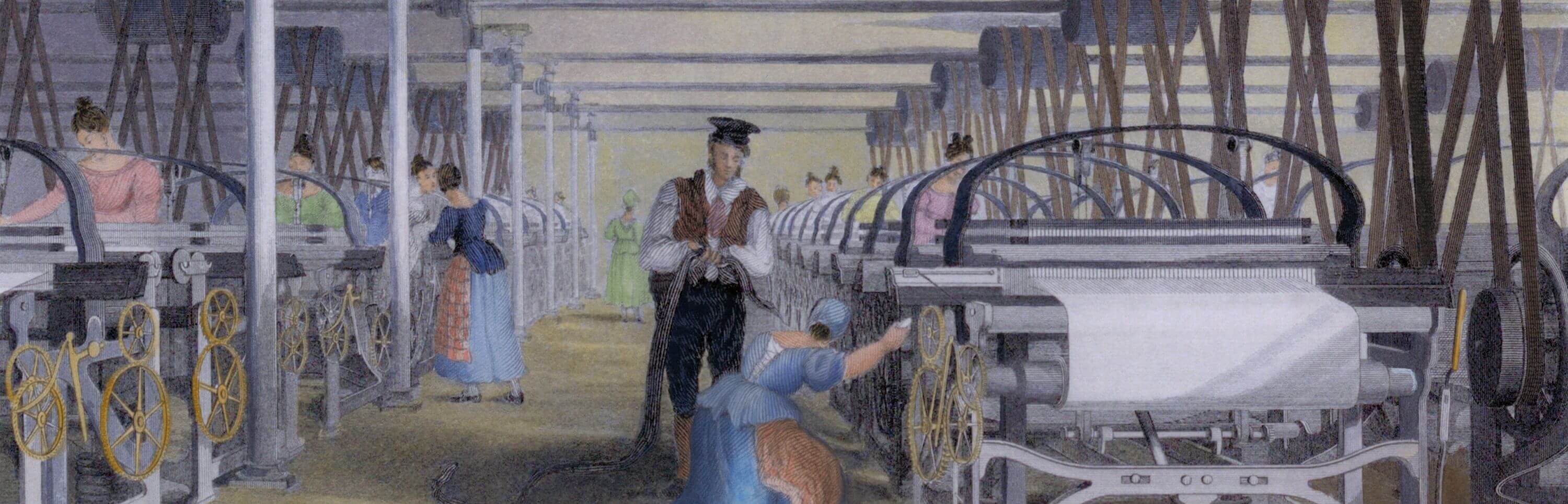
Bolton's textile industry, 18th-19th century : manufacture, trade and politics
About the year 1772 I began to endeavour to find out, if possible, a better way of making cotton yarn than was then in general use; being grieved at the bad yarn I had to weave. But to be short, it took me six yearsSamuel Crompton, Dec 1802,
Access the full collection
Access the full archive of The Industrial Revolution: Technological Innovation in the Textile Industry, 1672–1929.
Institutional Free Trial
Start your free trialRegister for a free 30-day trial of The Industrial Revolution: Technological Innovation in the Textile Industry, 1672–1929, for your institution.
Institutional Sales
Visit Sales PagesellFor more information on institutional access, visit our sales page.
Single User License
Purchase a license below to view the full collection.
Already have a license? Sign in.
See the mills of North West England develop through the industrial revolution
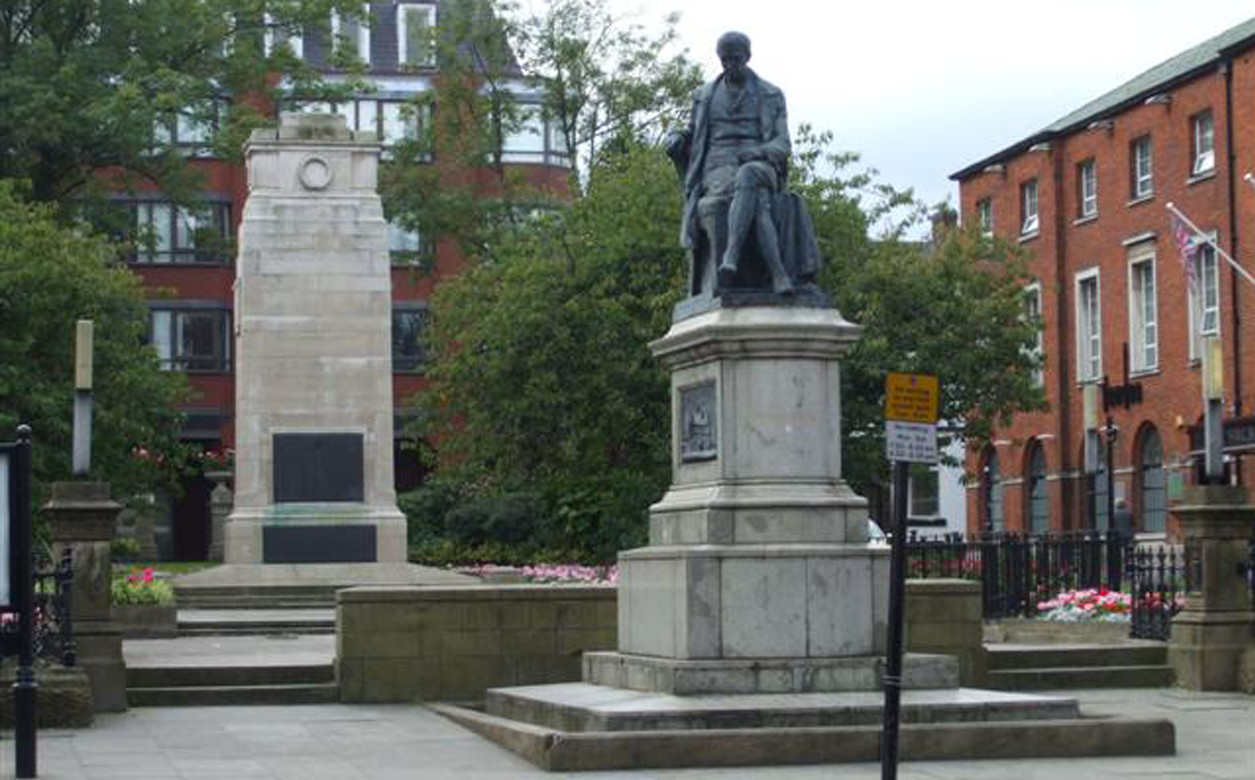
This collection traces the development of the Industrial Revolution in Britain through two prominent families connected to Bolton’s textile industry. The Crompton family were significant due to Samuel Crompton’s invention of the spinning mule in 1779, an innovation which allowed massive productivity when producing textiles on a grand scale. The Heywoods became famous through Robert Heywood, who used his successful textile business to launch a political career during the rise of the Chartist movement.
Correspondence between key figures amongst the family and their respective businesses make up the bulk of the collection. The collection also includes property descriptions and valuations, newspaper cuttings, and travel journals. Overall, these papers provide a useful look at the social, political, and economic impact of the Industrial Revolution in Northern England.
Contents
The Industrial Revolution: Technological Innovation in the Textile Industry, 1672–1929...
Bolton's textile industry, 18th-19th century : manufacture, trade and politics
Discover
Volumes


Insights
- The Heywood papers contain information on Heywood's international travel and trade. They also include correspondence on the Bolton's politics, including the Chartist riots.
- The Crompton Papers are the largest part of this collection. The majority of these papers are letters from 1672 to 1862.
- The latter three pages of Crompton document listings cover Crompton as the inventor of the mule. They also include family wills, extracts of items on the cotton industry and his account books.
- Charles Dickens' journal All The Year Round features within papers on the doctrines of Emanuel Swedenborg. The volume from April in 1860 includes a biography of Samuel Crompton.
Unlock Historical Research for Your Institution
Provide your students and researchers with direct access to unique primary sources.