Our New Purchasing Scheme is Open! Until 31 July 2026, grab a 20% discount on 20 of our most popular collections! ✕
British Poor Schools in the Nineteenth Century, 1812–1901
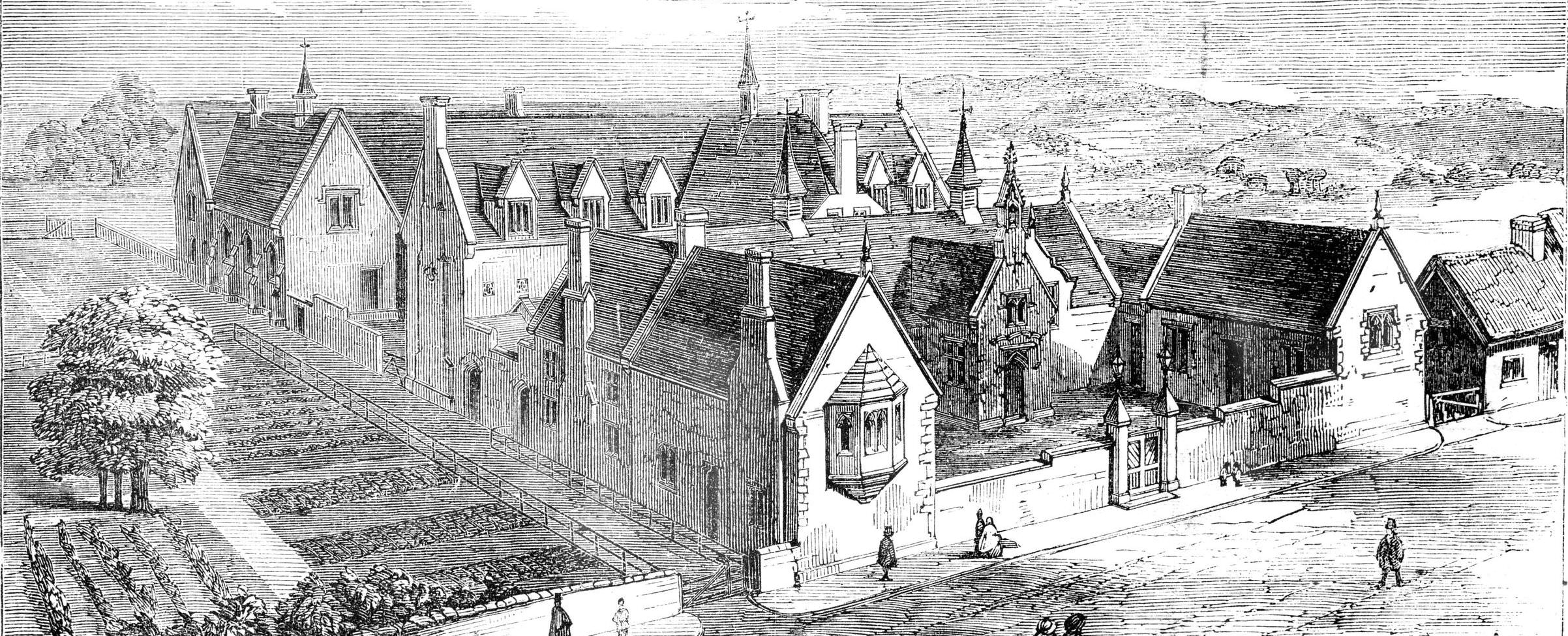
Church Schools during the Georgian and Victorian ages
It has been represented unto [George the Third], that the means of Education for the poorer classes of our people are far from having increased in proportion with the population of these our DominionsWrit of Privy Seal, 1817,
Access the full collection
Access the full archive of British Poor Schools in the Nineteenth Century, 1812–1901.
Institutional Free Trial
Start your free trialRegister for a free 30-day trial of British Poor Schools in the Nineteenth Century, 1812–1901, for your institution.
Institutional Sales
Visit Sales PagesellFor more information on institutional access, visit our sales page.
Single User License
Purchase a license below to view the full collection.
Already have a license? Sign in.
See how education for the poor spread across the UK
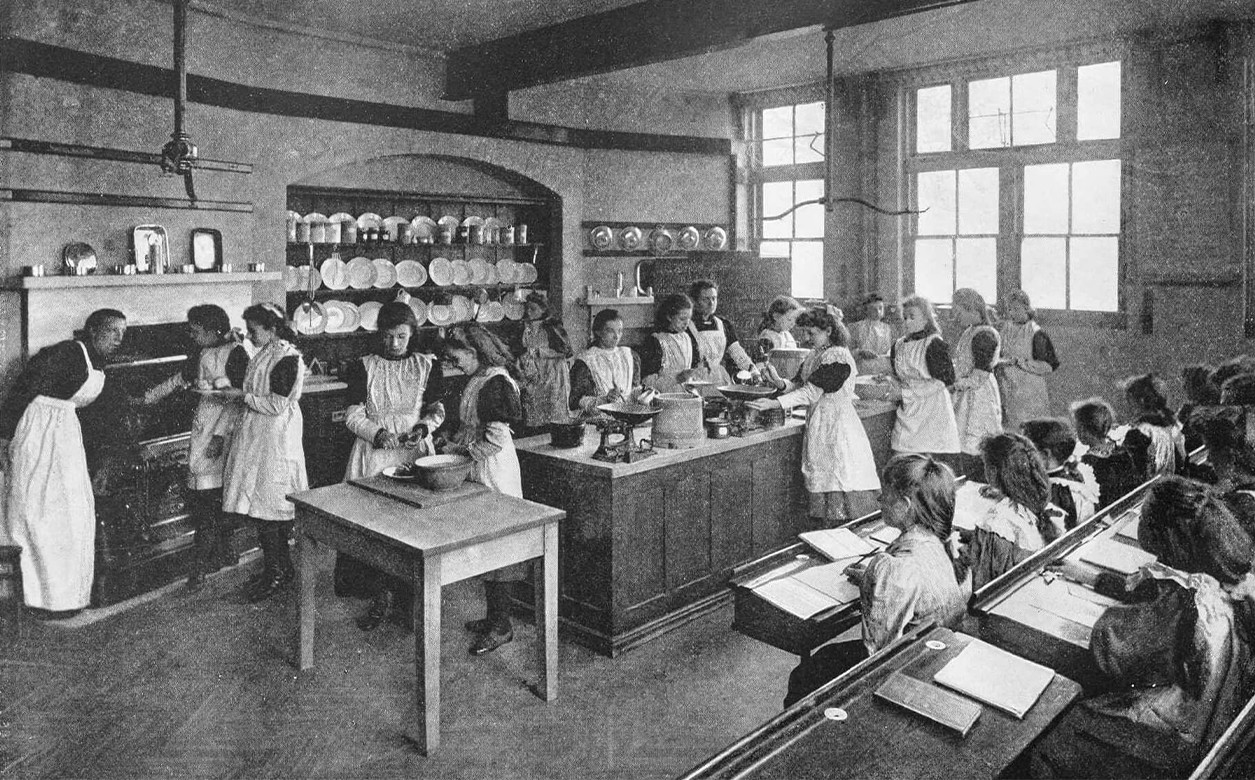
These reports cover the history of poor schools and the societies that ran them in Britain. These papers cover schools from the Anglican and Wesleyan denominations as well as secular and Catholic schools. The reports chart the rise of education for the poor from the industrial revolution to the Victorian era. As the number of schools increased, the factory acts released children from work so that they could learn. The effects of these acts can be seen in these papers.
Contents
British Poor Schools in the Nineteenth Century, 1812–1901...
Church Schools during the Georgian and Victorian ages
Discover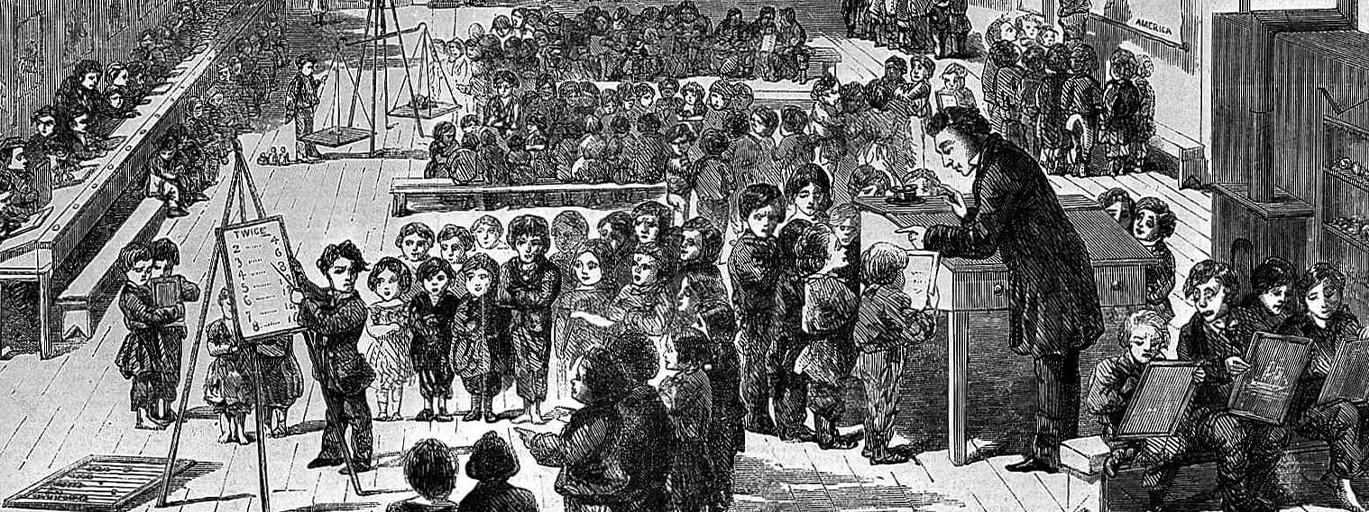
Highlights
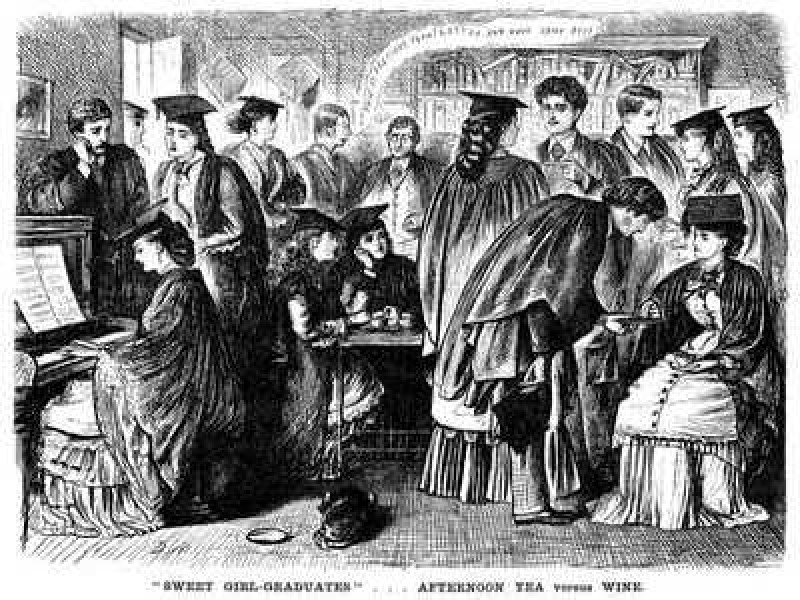
Licensed to access Catholic Poor School Committee, 1848-1900
The Poor Schools Report for 1862 describes the beginning of teacher training 10 years before. This report lists the teachers it trained from 1857 to 1862 by name.
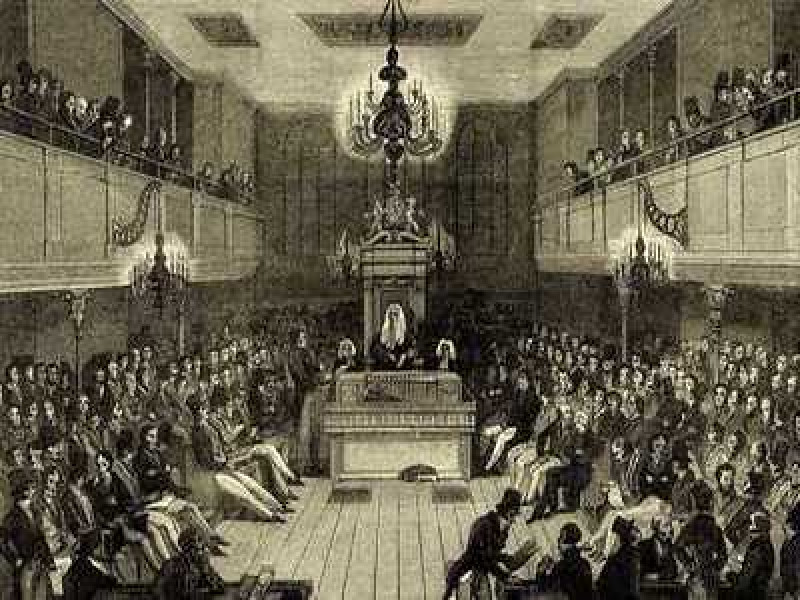
Licensed to access National Society for Promoting the Education of the Poor, 1812-1900
In 1834 the society received a share of the first education grant from a British Government. This report on the Education of the Poor describes their reaction to that grant.
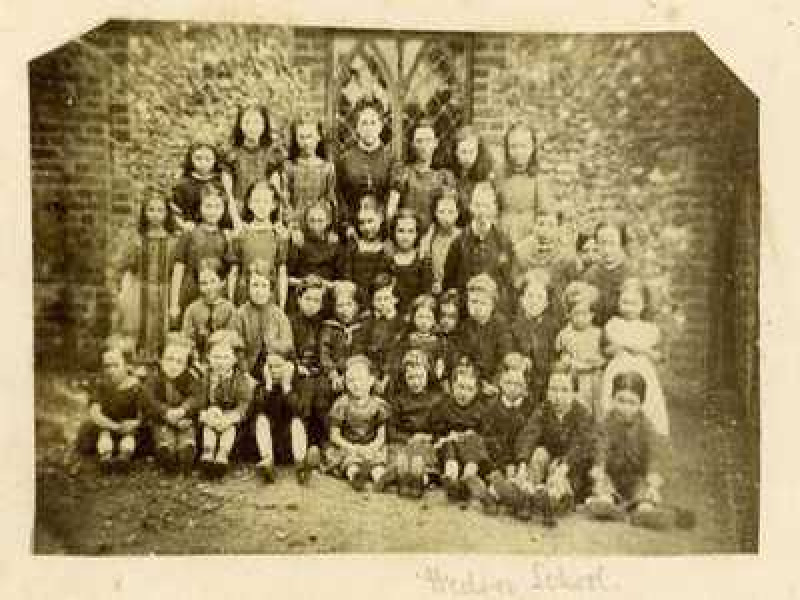
Licensed to access Wesleyan Education Committee, 1838-1901
The 1870 report on Wesleyan Schools describes the introduction of the Education Act. This report also explores some of the history which led to the 1870 Act being passed.
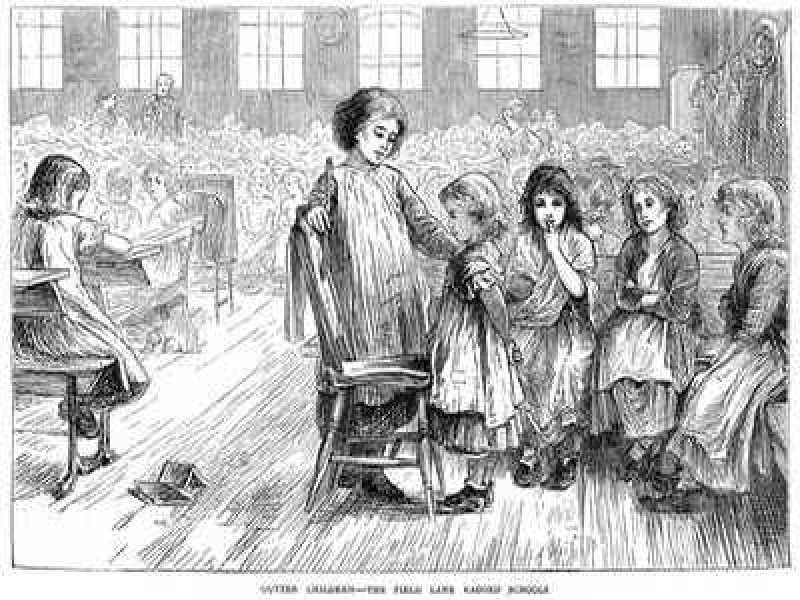
Licensed to access British and Foreign School Society, 1814-1900
The Society’s report for 1815 describes the first attempts at educating girls from poor families. From the 400 girls who were introduced to school in Manchester, to the 1000 girls starting school across England.
Insights
- Introductions to the reports describe the progress of each society over the past year. As charities that were funded by subscriptions, the societies made the case for their work at the beginning of each report.
- The reports include lists of subscribers, including titles such as 'Rev', 'MP' and 'Countess'. These lists also include the amounts donated.
- Scotland was more of a focus for the Catholic poor school society than for the other societies. Scotland was also represented on their committee.
- The statistics on how many pupils attended each school enable the reader to see how the schools' attendance changed during the industrial revolution.
lock_open
Unlock Historical Research for Your Institution
Provide your students and researchers with direct access to unique primary sources.