Our New Purchasing Scheme is Open! Until 31 July 2026, grab a 20% discount on 20 of our most popular collections! ✕
The Church of England and Social Change in Manchester, 1635–1928
The development of the city of Manchester, 1635–1928
The Cathedral Church of Manchester has been at the centre of the city of Manchester's history and the Cathedral Archive contains a detailed picture of changing land use in the centre of the world's first industrial city.Christopher Hunwick,
Access the full collection
Access the full archive of The Church of England and Social Change in Manchester, 1635–1928.
Institutional Free Trial
Start your free trialRegister for a free 30-day trial of The Church of England and Social Change in Manchester, 1635–1928, for your institution.
Institutional Sales
Visit Sales PagesellFor more information on institutional access, visit our sales page.
Single User License
Purchase a license below to view the full collection.
Already have a license? Sign in.
Ecclesiastical, court, and land records from the Manchester Cathedral archives
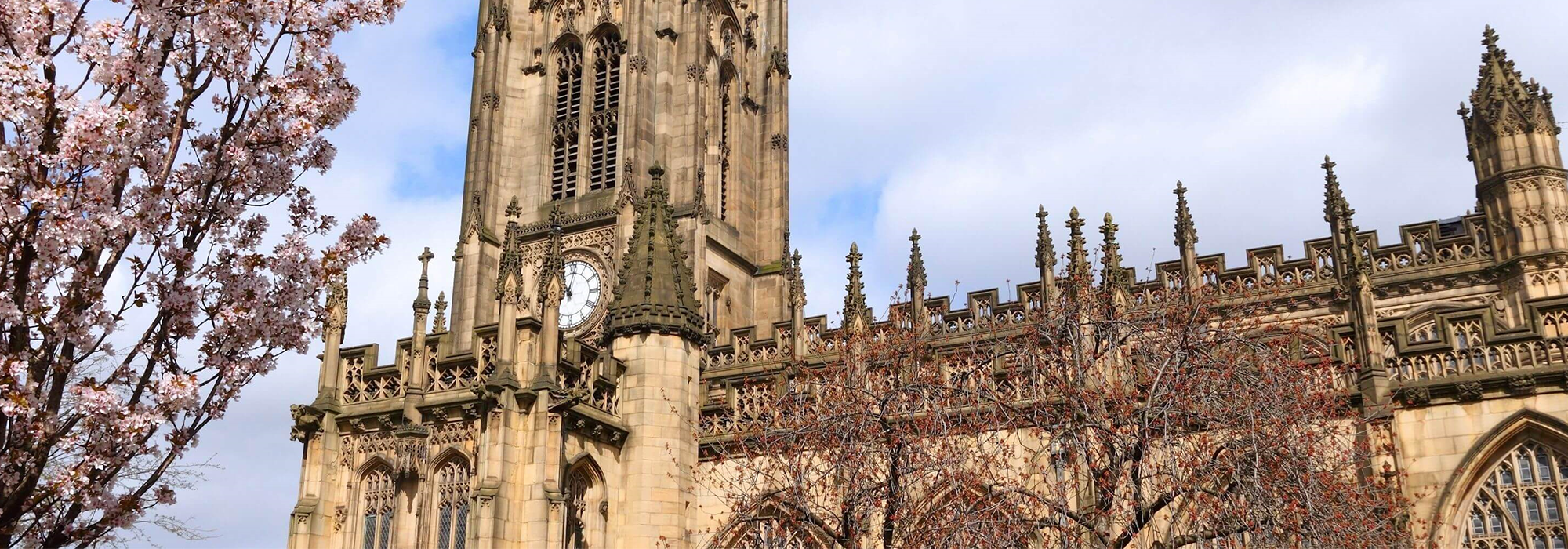
Manchester Cathedral is one of the oldest and most significant buildings in Manchester. The Cathedral records highlight the central position of the building, and therefore of Christianity, in the lives of people in Manchester, particularly throughout the Industrial Revolution. The Cathedral served as a meeting point during big milestones in people’s lives: baptism, marriage, and death. An understanding of the history of the Cathedral is therefore key to understanding the social, economic, and spiritual development of Manchester. Much of this history is contained within the Cathedral Archives, which are digitised in this collection.
This collection contains the parish registers and capitular records of Manchester Cathedral and its predecessor, the Collegiate Church, from 1635 to 1928. The parish registers include records of baptisms, burials, marriages, summary marriages, and banns objections. The capitular records detail the management of both the chapter estates and finances. The land deeds mostly date from the seventeenth to the twentieth centuries. These records contain a detailed picture of changing land use in the centre of the world's first industrial city and the attempts of the church as a prominent landowner to deal with unprecedented change in demand for land. These documents have immense potential for building historians and those wishing to chart the changes in land use in Manchester.
Taken together, the records in this collection are a useful resource for historians who are interested in studying the social, economic, and spiritual impact of the Industrial Revolution. It will likewise be of interest to historians focusing on the development of the city of Manchester.
Contents
The Church of England and Social Change in Manchester, 1635–1928...
The development of the city of Manchester, 1635–1928
Discover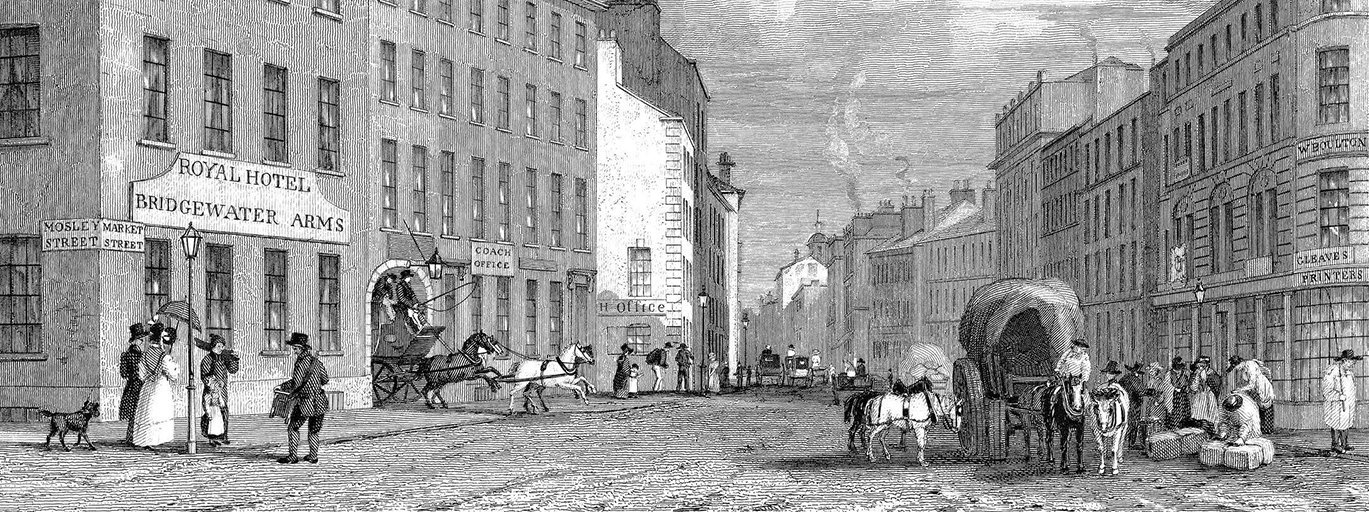
Highlights
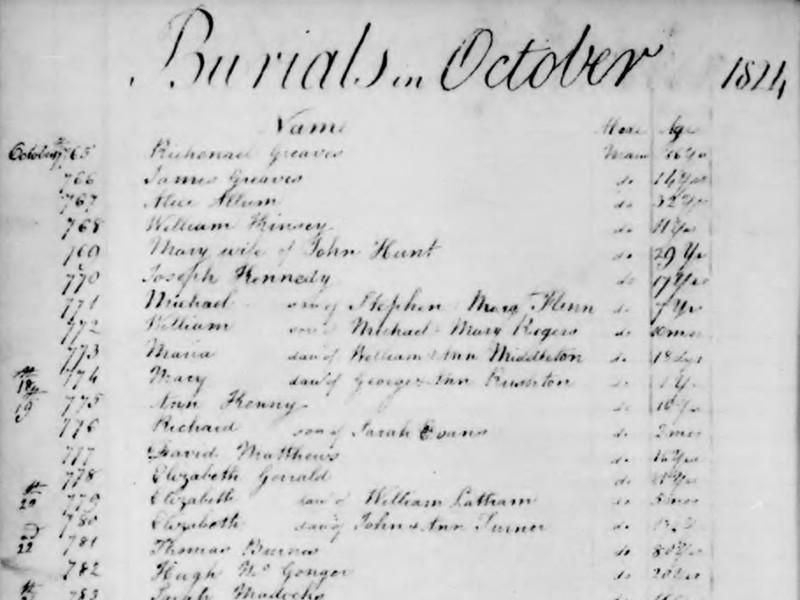
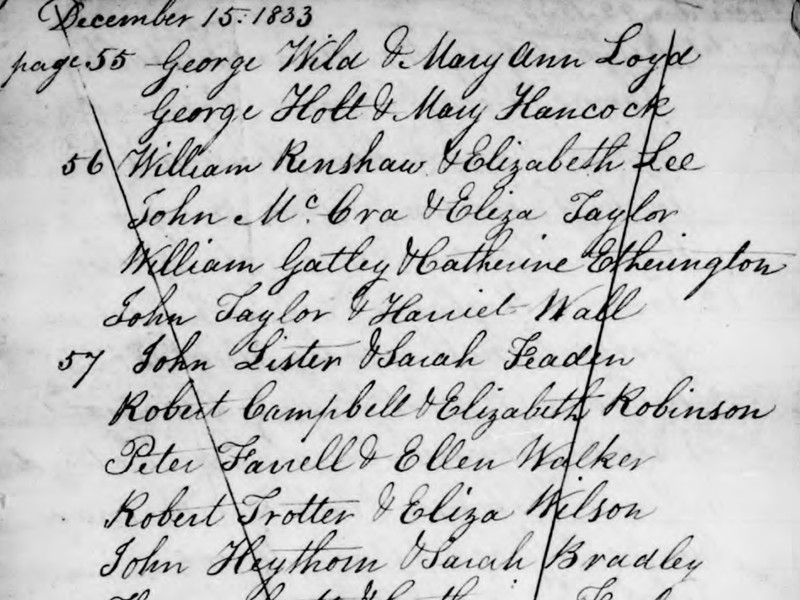
Licensed to access Register of purchases of cloth and yarn and objections to Banns
The reading of Banns is a proclamation to marry, unique to the Church of England. This document gives an idea of the scale of Bann objections by listing all the proposed marriages against which objections were raised between October 1833 and February 1836.
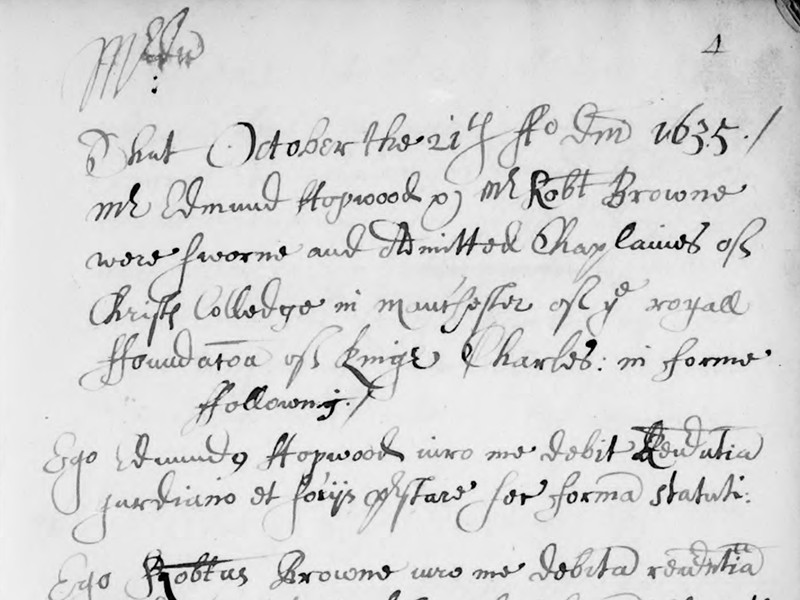
Licensed to access Chapter register, 1635–1714
This document contains the Chapter minutes from 1635 to 1714. The minutes include accounts of appointments of fellows or choristers, a full record of correspondence received, debates within the Chapter on various issues, and disciplinary action taken against members of the College.
Insights
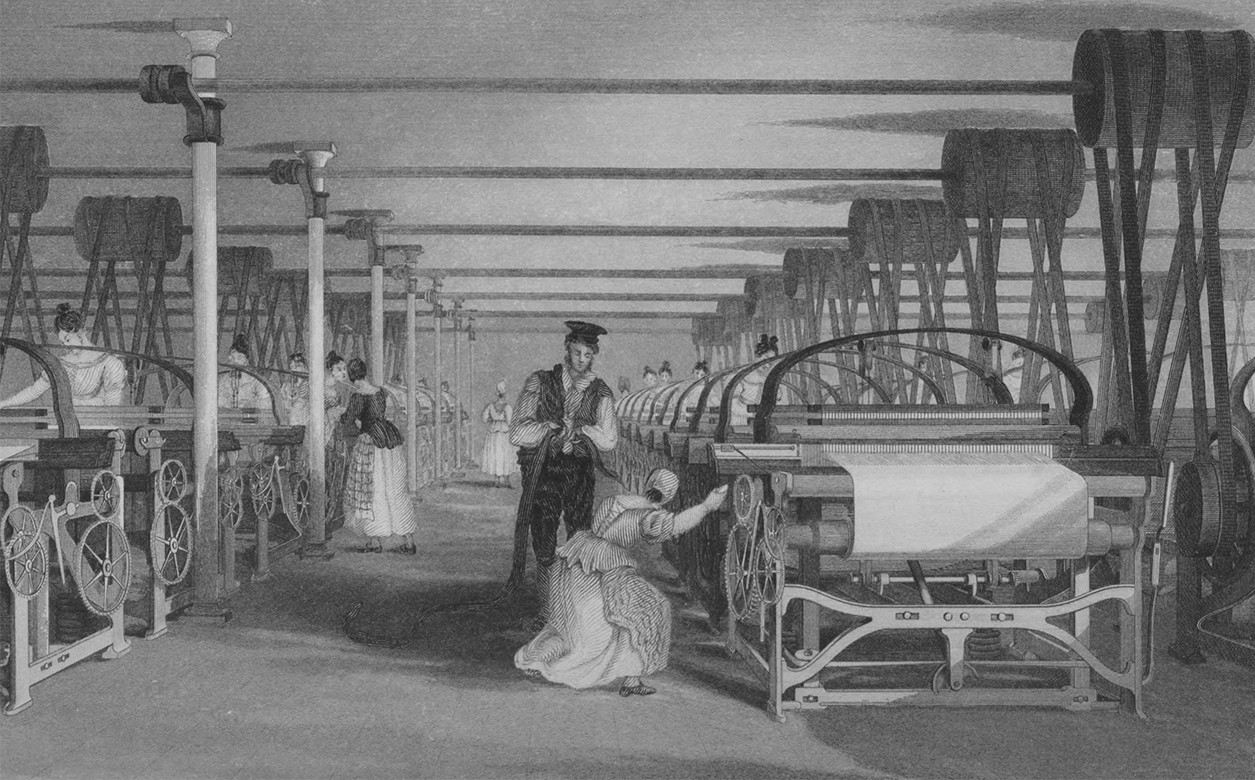
In the early nineteenth century, Manchester’s cotton industry grew rapidly due to the Industrial Revolution. This meant that the small town of Manchester quickly developed into the world's first industrial city. This development is tracked in Manchester Cathedral’s archives, particularly through land records, which show the rapid change in land use.
Conditions for the working class during the Industrial Revolution proved fatal. The records of burials in this collection provide an insight into the devastating effects of poor working conditions, inequality, and exploitation.
The Manor Court was a lowly local court which could only punish minor offences. The Manor Court books included in this collection reveal what people were tried and convicted of in Manchester during the period.
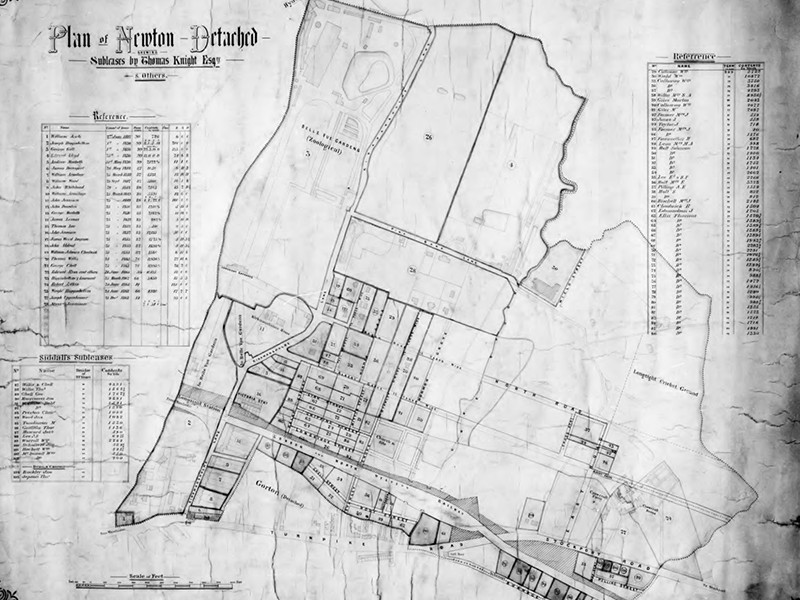
Estate plans for Newton Heath, Kirkmanshulme, and Deansgate show the location of each house. The plans for Newton Heath and Kirkmanshulme date from the 1860s; the Deansgate plan was drawn between 1910 and 1920.
The Cathedral held the local baptism, marriage, and burial records during the first half of the nineteenth century. Those records form part of this collection, alongside summary marriage registers and banns objections. These records provide an insight into the big milestones of people’s lives.
The documents in this collection also highlight a dark period in Manchester’s history. The quick development of the city was built on the forced labour of enslaved people in the Caribbean, South America, and the United States. The city would not be as it is today without the Transatlantic Slave Trade, which contributed to financing the Industrial Revolution.
Unlock Historical Research for Your Institution
Provide your students and researchers with direct access to unique primary sources.
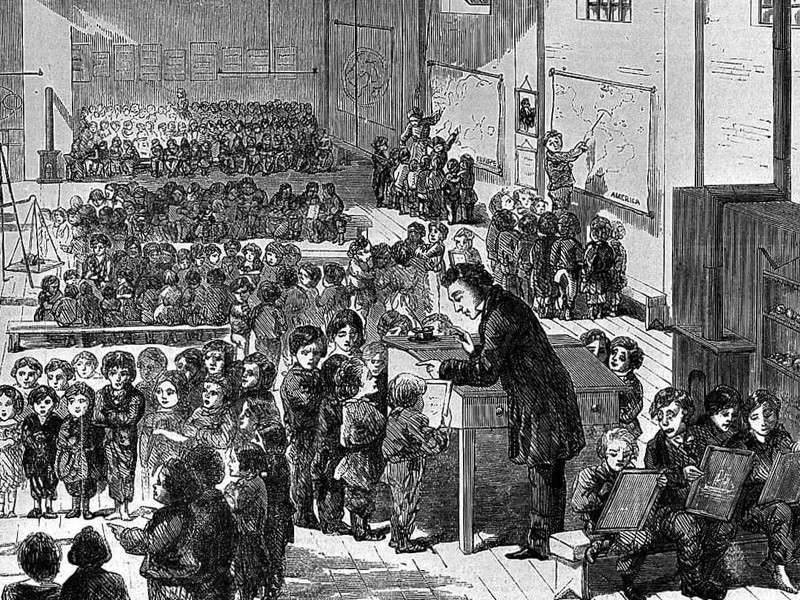



.svg)
