Our New Purchasing Scheme is Open! Until 31 July 2026, grab a 20% discount on 20 of our most popular collections! ✕
Atheism and Anti-War Sentiments in the Bradlaugh Family, 1833–1948
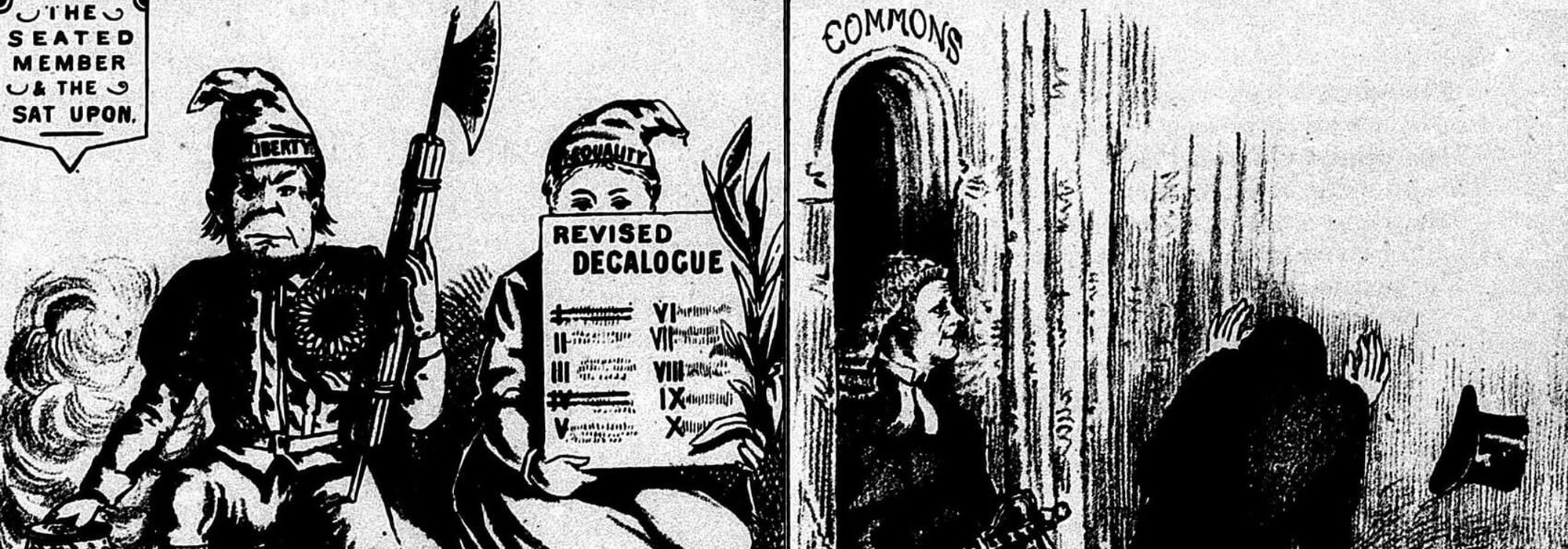
Papers of Charles Bradlaugh and Hypatia Bonner
The hon. member for Northampton has, Sir, in consequence of your ruling, gone through the form of taking and subscribing the oath, the validity of that form seems to me to be a question for the Courts of LawThe Chancellor of the Exchequer, Sir Michael Hicks Beach, Jan 1886,
Access the full collection
Access the full archive of Atheism and Anti-War Sentiments in the Bradlaugh Family, 1833–1948.
Institutional Free Trial
Start your free trialRegister for a free 30-day trial of Atheism and Anti-War Sentiments in the Bradlaugh Family, 1833–1948, for your institution.
Institutional Sales
Visit Sales PagesellFor more information on institutional access, visit our sales page.
Single User License
Purchase a license below to view the full collection.
Already have a license? Sign in.
Could an atheist be an MP in Parliament? See the fight for a secular oath.
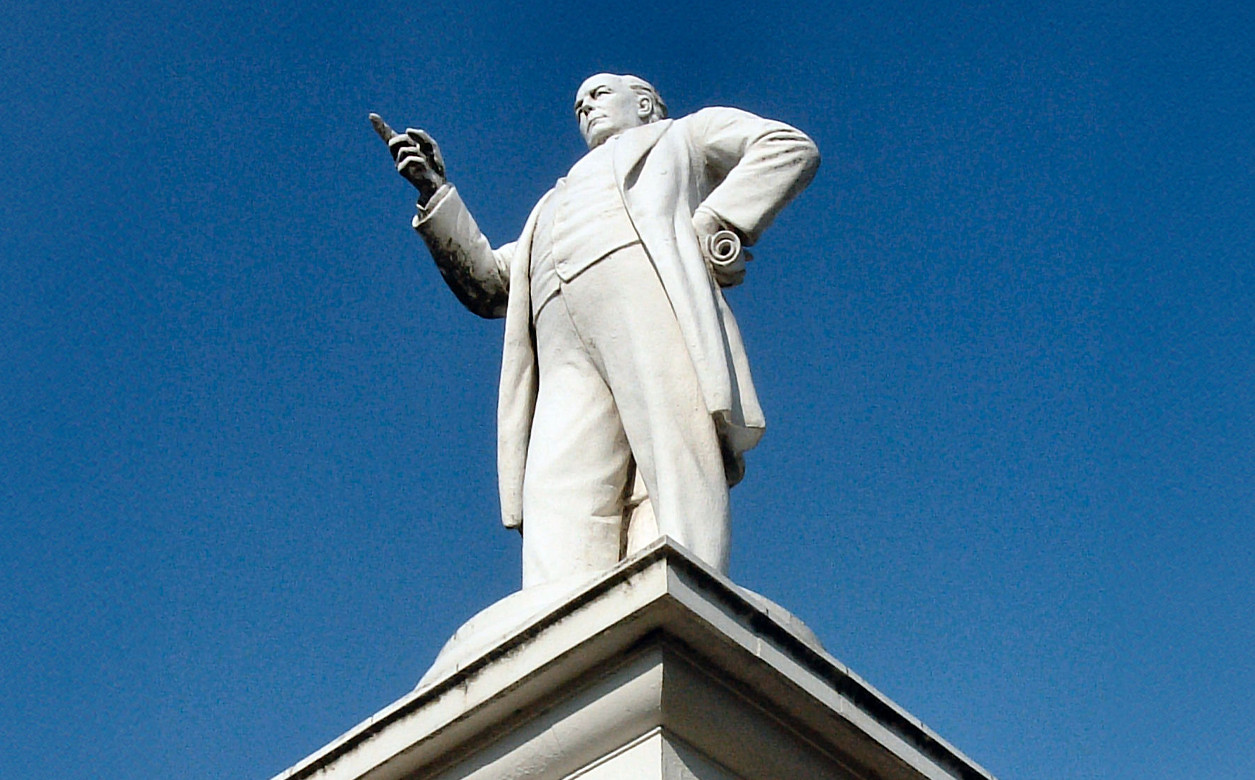
Charles Bradlaugh (1833-1891) was a co-founder of the National Secular Society and Editor of the National Reformer. He was responsible for the creation of a secular oath for politicians in the 19th century after he refused to swear the ‘Oath of Allegiance’ to the British monarchy due to its religious foundation. Bradlaugh’s fight for a secular oath saw him fined, imprisoned, and re-elected four times in five years before he was allowed to take his seat in Parliament in 1886. Bradlaugh was also a keen supporter of controversial issues like Indian Home Rule, granting people access to birth control, and he also helped the Fenians to draft their manifesto. This collection of his papers largely relates to his fight for a secular parliamentary oath.
Additionally, these records also include papers from Hypatia Bradlaugh Bonner (1858–1935), the only one of Bradlaugh's children to outlive her father. Loyal to her father, she collected records of his work and fought to protect his legacy. Bonner also actively campaigned against the Boer War and the arms race prior to the First World War. Overall, the collection offers a compelling glimpse into two generations of Bradlaughs who fought for their beliefs against the grain of acceptable opinion.
Contents
Atheism and Anti-War Sentiments in the Bradlaugh Family, 1833–1948...
Papers of Charles Bradlaugh and Hypatia Bonner
Discover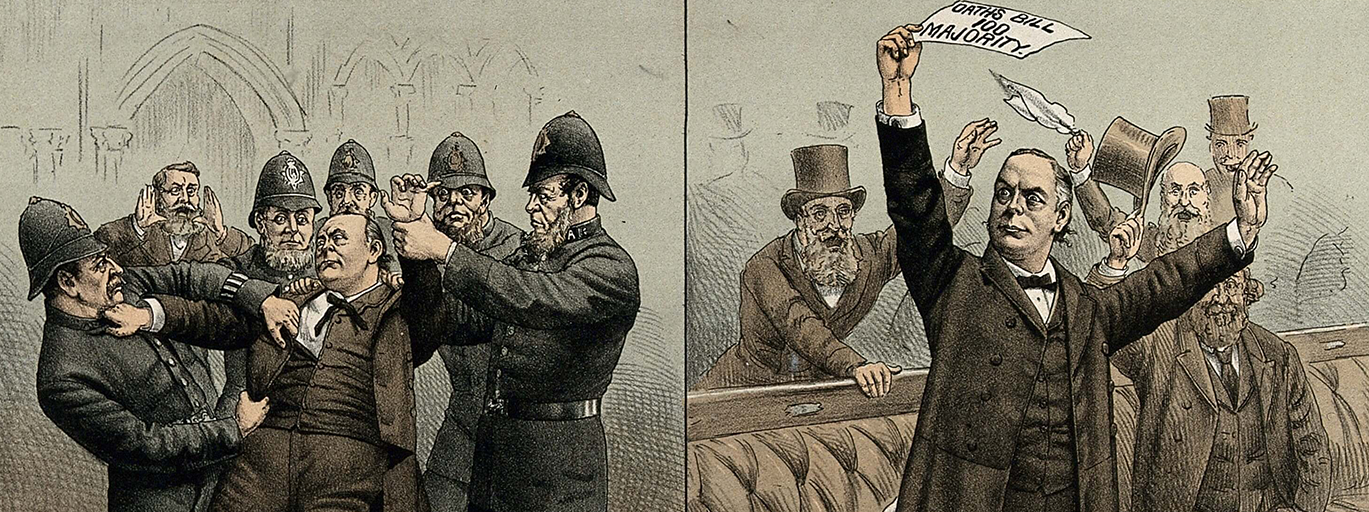
Volumes


Insights
- Annie Besant and Charles Bradlaugh were arrested for promoting birth control in 1877. Details of their trial are covered in 'Miscellaneous Content Mostly Undated'.
- The 'Core Themes' of these papers include the Acts of Parliament which relate to the introduction of a secular oath and addresses to Bradlaugh by the India National Congress.
- Hypatia Bradlaugh Bonner wrote upon her father's legacy and collected papers which covered his fight after his death. Bonner's collection includes her letters to her father.
- Bradlaugh and his daughter wrote for and were covered by a variety of publications. The National Reformer was itself edited by Bradlaugh. The Times was rather less sympathetic to his cause.
Unlock Historical Research for Your Institution
Provide your students and researchers with direct access to unique primary sources.