Items from the Oxford Centre for Methodism and Church History
Although never an actual Methodist publication, the 'Recorder' became in many ways considered to be the denomination’s official mouthpiece, both by its readers and the church, but also to some extent its staff—who at times needed to assert their independence.
Dr. Peter Forsaith, Oxford Brookes University
Access the full collection
Access the full archive of The Methodist Recorder, 1861–1919.
Study the development of 19th and 20th century Methodism through print journalism
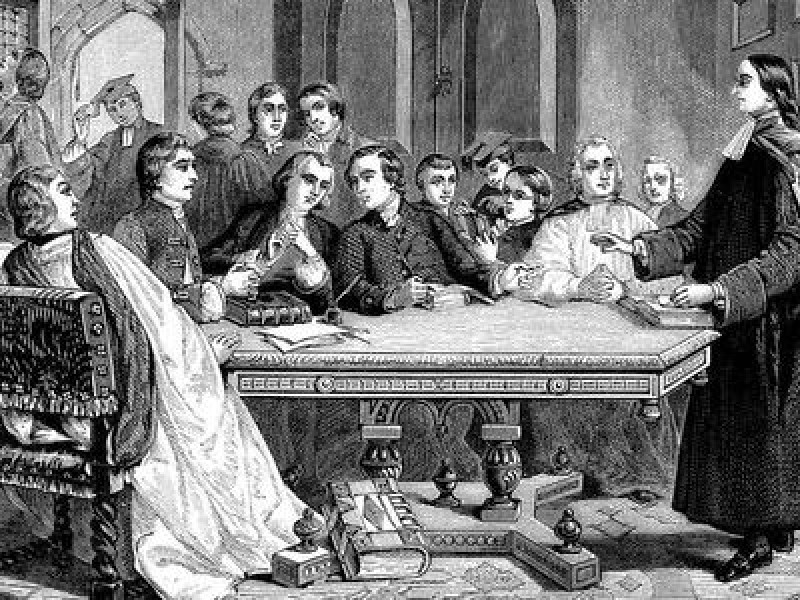
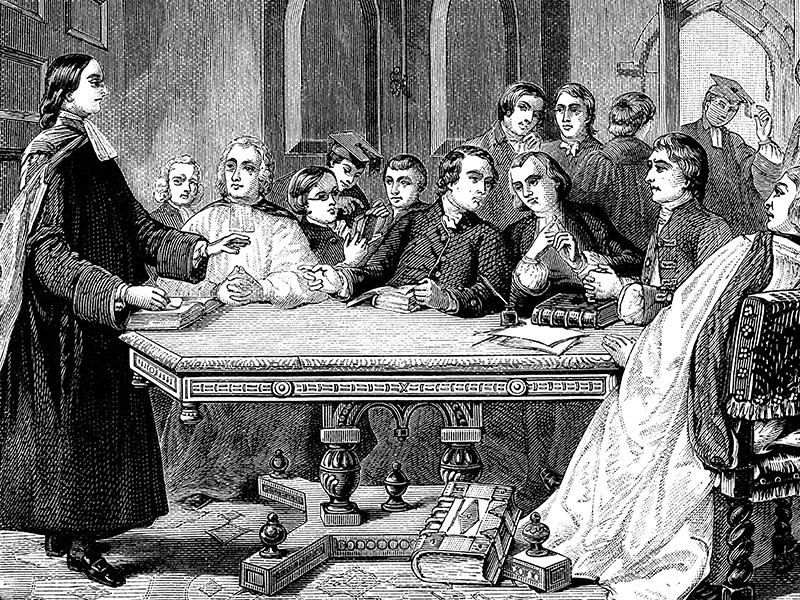
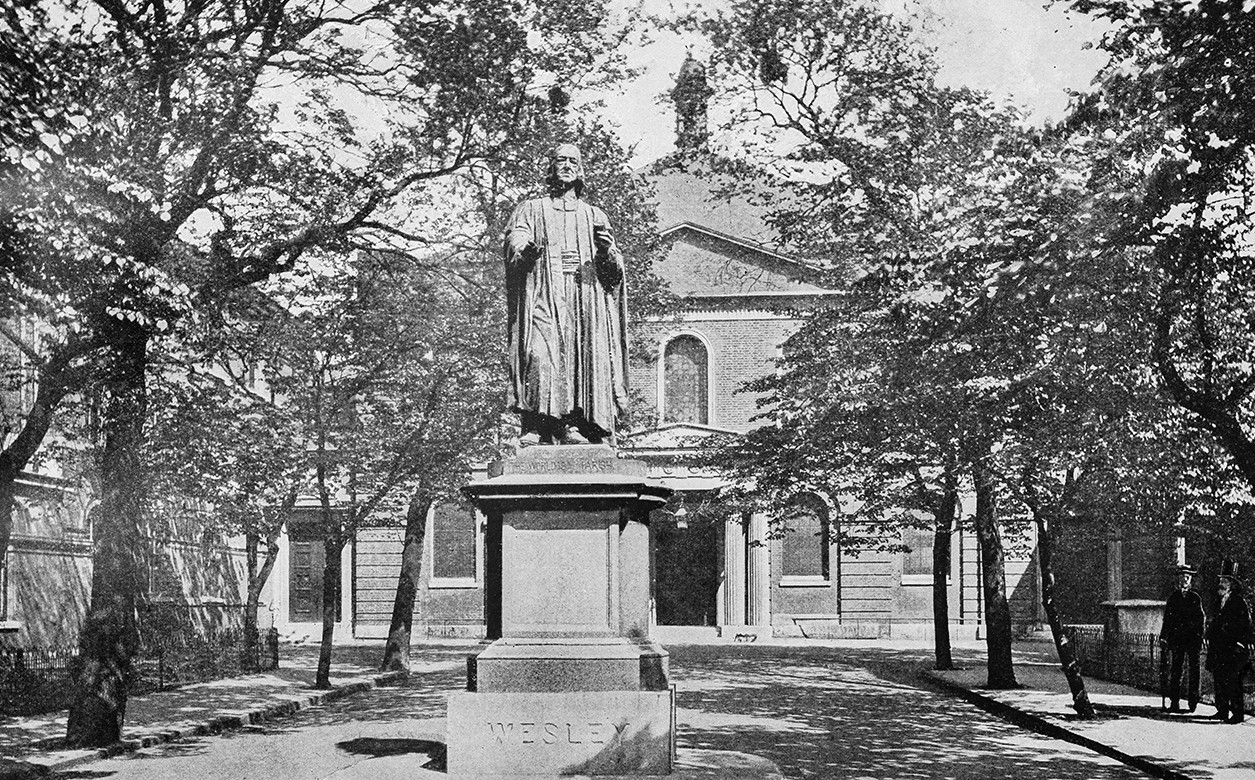
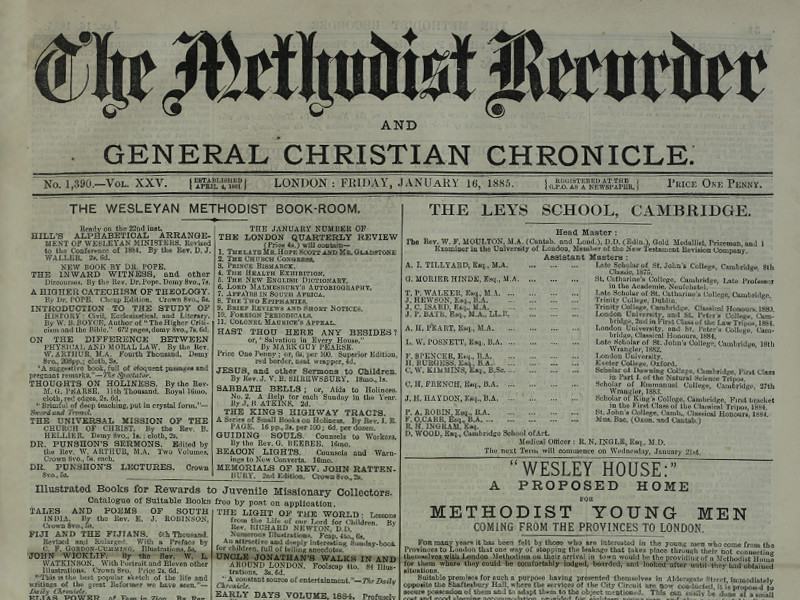
This collection contains copies of the Methodist Recorder published during the period 1861-1919. Founded in 1861 with the mission 'to tell truth and love', the Methodist Recorder was edited and published by six Wesleyan ministers in London. While the six ministers responsible for creating the Recorder formed an ‘editorial council’, editorial control initially rested largely with Reverend William Morley Punshon, an influential minister in a prominent London circuit. The ministers were followers of John Wesley (1703-1791), an English cleric who led a revival movement within the Church of England known as Methodism.
Created as an independent weekly newspaper that scrutinised current affairs within the Methodist community, the Recorder was widely successful and has been published continuously for more than 150 years. The Recorder emerged as a more liberal rival to the first Methodist newspaper, The Watchman, which it later incorporated. Subjects covered were wide-ranging, from current events to the promotion of worthy charities and literary recommendations.
Contents
The Methodist Recorder, 1861–1919...
Items from the Oxford Centre for Methodism and Church History
Licensed to access
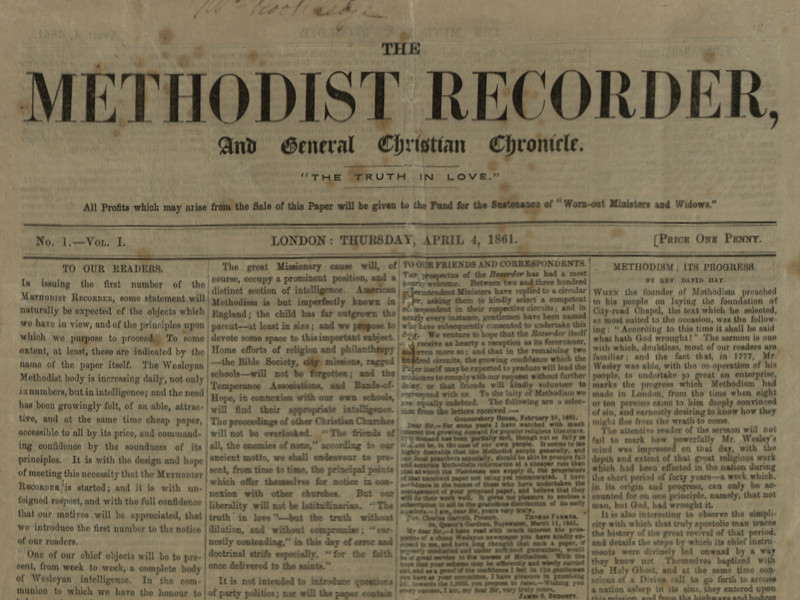
No.I, Vol.I of The Methodist Recorder, 1861
The first issue of the 'Recorder' was published on 4th April 1861. It sold for one penny, with all profits going to the Fund For The Sustenance of Worn-Out Ministers and Widows.
Licensed to access
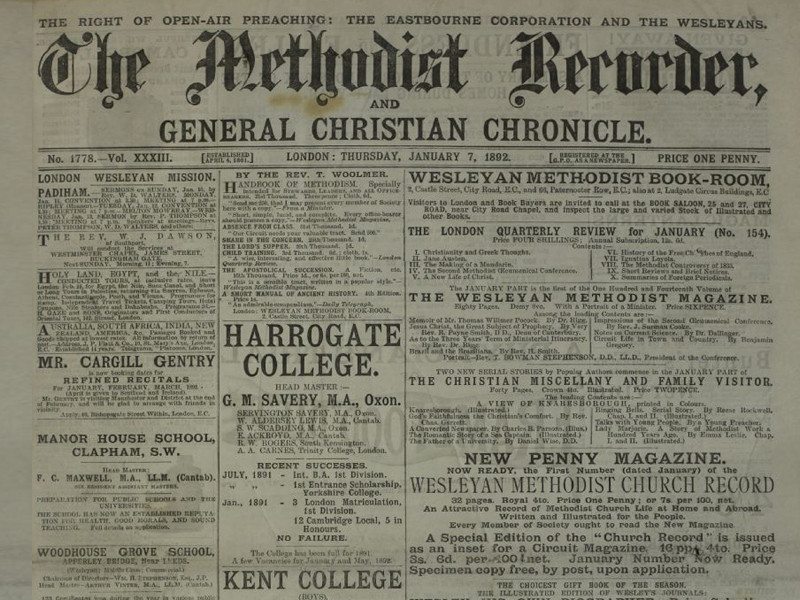
Wesley Centenary Number, 1891
On 2nd March 1891, a hundred years after John Wesley’s death, the 'Recorder' published a ‘Wesley Centenary Number’ dedicated to the man's word and memory.
Licensed to access
Winter Supplement, 1900
From 1892 to 1907, the 'Recorder' ran a winter supplement. This was different in appearance and content from the weekly edition, featuring extensive articles and short stories.
Licensed to access
The Methodist Recorder during the Great War
According to Michael Hughes, "British Methodism never really developed a coherent doctrine of war." This moral and practical ambivalence was reflected in the pages of the 'Recorder' throughout the war of 1914-18.
Insights
Support for the poor, sick, and infirm is one of the vital pillars of Methodist teaching. Throughout this collection, large illustrated pages encourage readers to give to charitable causes, including hospitals, orphanages, soup kitchens, and schools.
The 19th century saw a significant expansion of the printed word. Technological developments and higher literacy rates contributed to the growth of Methodism through print culture.
Methodism encouraged total abstinence from alcohol. Strong support for the temperance movement is evident throughout this collection, not only through lectures and sermons, but also advertisements for non-alcoholic wine, Bovril, and Cadburys cocoa.
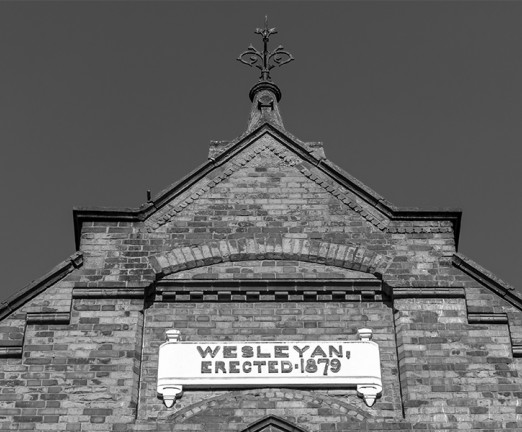
'The Methodist Recorder' was a Wesleyan publication. Also prominent in England at the time were the Primitive Methodists, who were characterised by their plain chapels and a poorer social base compared to their more middle-class Wesleyan counterparts.
The document for the year 1891 features the illustrated Wesleyan Centenary Number, commemorating a hundred years since the death of John Wesley. This issue examines Wesley’s life and achievements.
By Peter S. Forsaith, Ph.D., F.R.Hist.S. (Oxford Brookes University) with Rev. Dr. Martin Wellings.Methodism is arguably the most significant single Christian religious movement since the Protestant Reformation, now numbering some 80 million members and adherents worldwide. Other denominations (such as the Nazarenes and the Salvation Army) owe their origins or...
Read more →
British Online ArchivesPublished 22nd October, 2020

.svg)