Our New Purchasing Scheme is Open! Until 31 July 2026, grab a 20% discount on 20 of our most popular collections! ✕
Wesleyan and Primitive Methodist Periodicals, 1744–1960
Wesleyan and Primitive Methodism, 1744–1960
Methodism is arguably the most significant single Christian religious movement since the Protestant ...Peter S. Forsaith,
Access the full collection
Access the full archive of Wesleyan and Primitive Methodist Periodicals, 1744–1960.
Institutional Free Trial
Start your free trialRegister for a free 30-day trial of Wesleyan and Primitive Methodist Periodicals, 1744–1960, for your institution.
Institutional Sales
Visit Sales PagesellFor more information on institutional access, visit our sales page.
Single User License
Purchase a license below to view the full collection.
Already have a license? Sign in.
See the Methodist church develop under John Wesley and into the 20th century

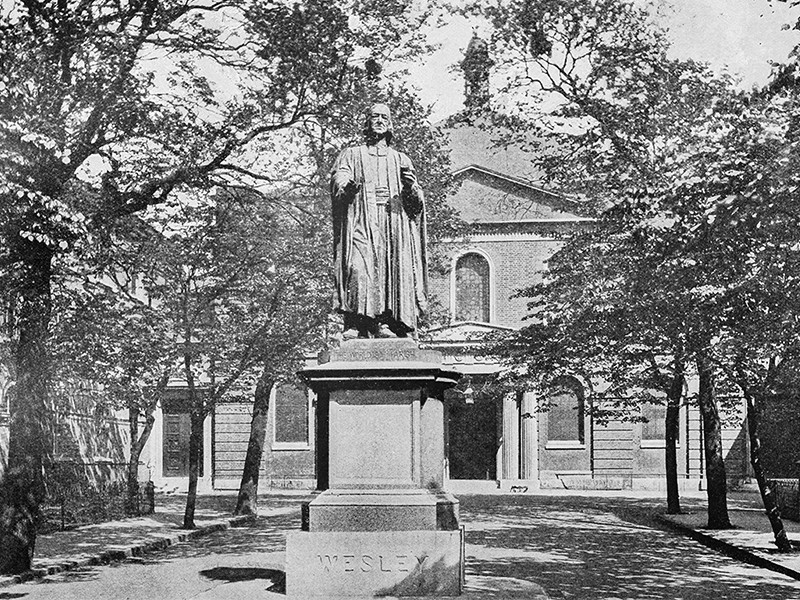
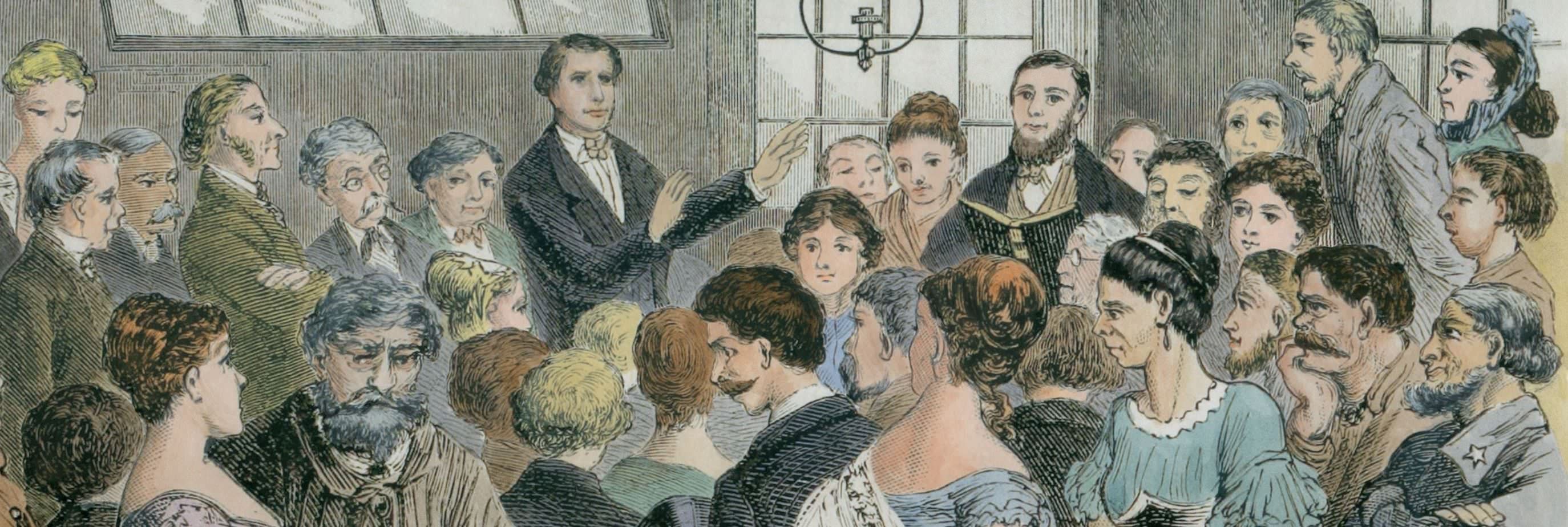
Although Methodism has come to be associated most closely with the Protestant Christian denomination founded by John Wesley (1703-1791), the term was already current in the seventeenth century, encompassing a number of different non-conformist churches including Calvinistic Methodism, to whose doctrine of predestinarianism Wesley, with his faith in universal redemption, was deeply opposed. Primitive Methodism emerged as a movement in the early 19th century from within the Wesleyan connexion, with which it eventually re-merged as part of the Methodist Union between the two World Wars. This resource from the special collections of the Oxford Brookes University brings together the main periodicals of the Wesleyan movement, beginning with the minutes of its earliest conference in 1744 and The Arminian magazine in 1790, and continuing through to the twentieth century. The materials in this collection are reproduced from items at the Oxford Centre for Methodism and Church History (Oxford Brookes University), which holds the library of the Wesley Historical Society.
Contents
Wesleyan and Primitive Methodist Periodicals, 1744–1960...
Wesleyan and Primitive Methodism, 1744–1960
Discover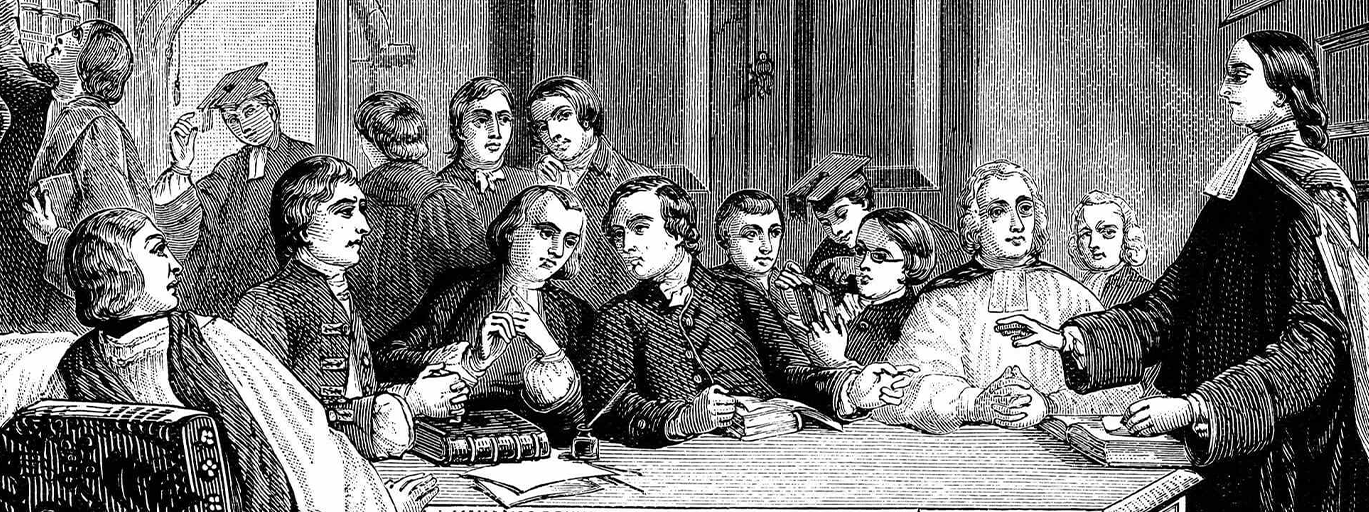
Volumes


Insights
- The Arminian, Methodist, and Wesleyan-Methodist magazines are all installments of the same publication. The earliest volumes include sermons and letters by John Wesley, amongst others, as well as essays.
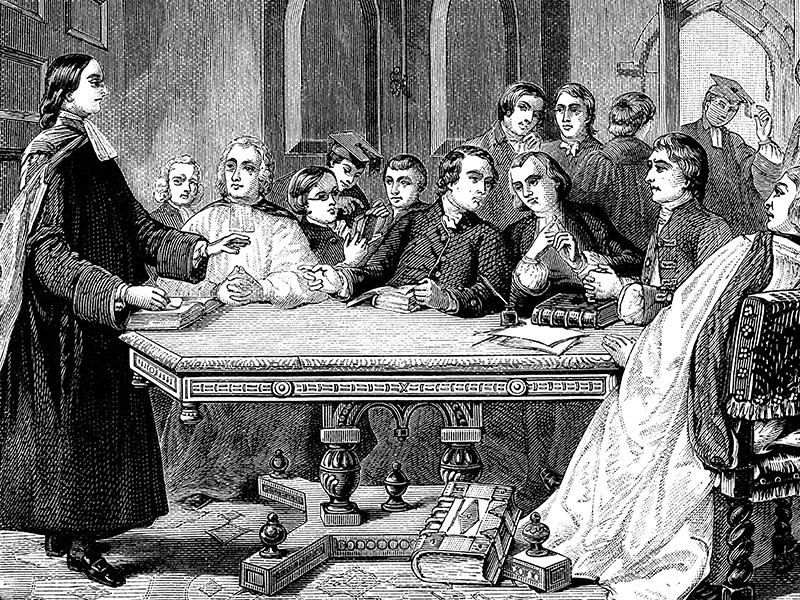
- Minutes of Methodist Conferences' were printed publications. Comparing these minutes reveals how greatly the tone of conferences changed over time, from free discussions to a formal event.
- The 'Conversations' mainly consist of ministers' obituaries and the motions for conferences. Lists of those studying to become preachers and those entering the ministry also feature.
- Meanwhile, the 'Primitive Methodist magazine' and the 'Aldersgate Magazine' focused more upon current events and missionary work with the First Nations of the American States.
Unlock Historical Research for Your Institution
Provide your students and researchers with direct access to unique primary sources.