Our New Purchasing Scheme is Open! Until 31 July 2026, grab a 20% discount on 20 of our most popular collections! ✕
Conscientious Objection During World War 1
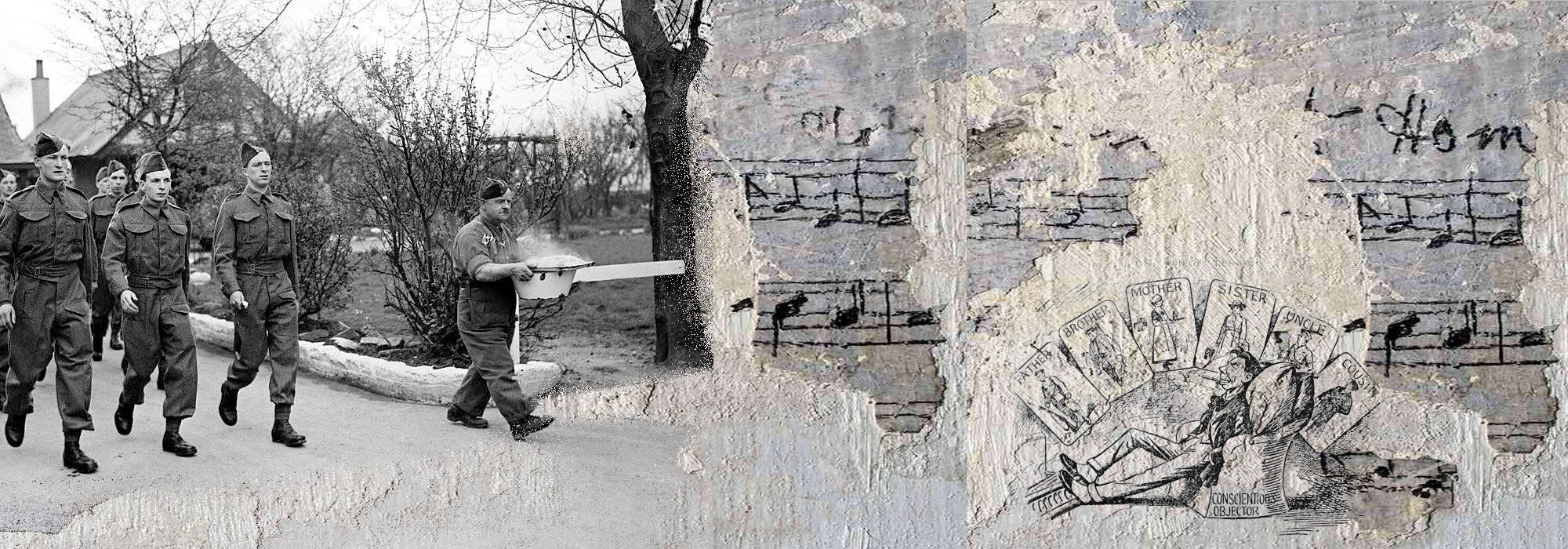
War resisters in Britain, 1914-1918
Was the war necessary? Was it even popular and if popular, for how long? Inherent in these questions is the matter of the war's opponents. Within weeks of the declaration of war, many threw in their lot with the war effort. Many did notCyril Pearc,
Access the full collection
Access the full archive of Conscientious Objection During World War 1.
Institutional Free Trial
Start your free trialRegister for a free 30-day trial of Conscientious Objection During World War 1, for your institution.
Institutional Sales
Visit Sales PagesellFor more information on institutional access, visit our sales page.
Single User License
Purchase a license below to view the full collection.
Already have a license? Sign in.
Britain's peace campaigners wrote these papers during World War One
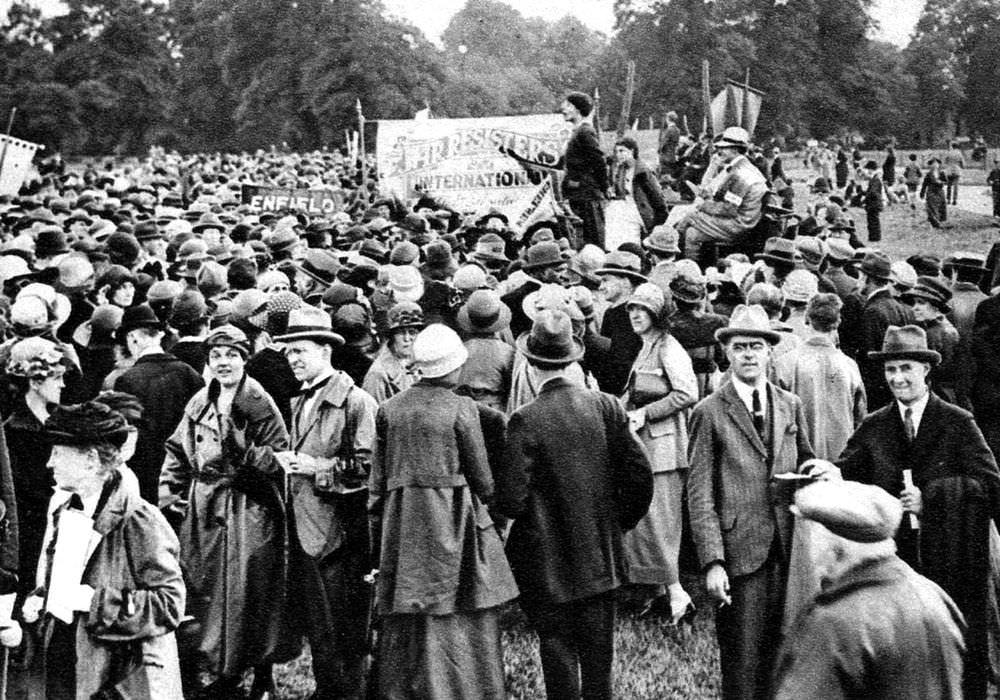
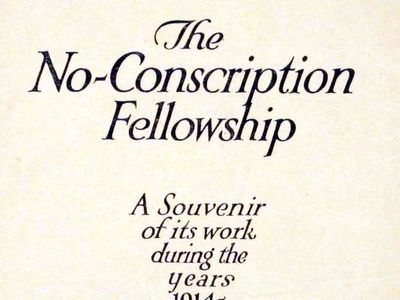
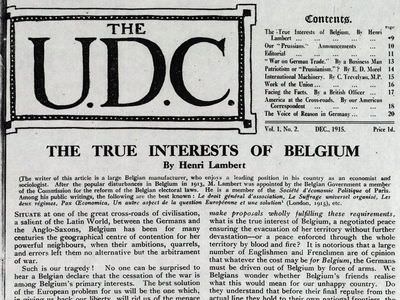
During World War One, Conscientious Objectors united to oppose the war despite the criticism they faced. Three of these anti-war protest groups included the Conscientious Objector Information Bureau, the Union of Democratic Control, and the No-Conscription Fellowship. The collection includes complete files of key anti-war publications. It also contains rare reports from the Conscientious Objector Information Bureau. The internal papers include minutes from the Union of Democratic Control and letters from the No-Conscription Fellowship. The Fellowship’s most prominent figure, Clifford Allen, wrote a number of these items. Local Fellowship branches in Willesden, Middlesex and in Hyde, Greater Manchester are also covered. The Conscientious Objector, Thomas Henry Ellison, spent much of his time between 1916 and April 1919 in prison. His scrapbook covers both his own experiences and of the experience of the anti-war movement as a whole.
Contents
Volumes
Insights
- The minutes from the Union of Democratic Control are unusual in not being official publications. The remaining contents from the UDC are books and pamphlets on secret diplomacy and the war machine.
- These two societies resisted war in different ways. As the Union of Democratic Control argued for less backroom deals with foreign powers, the No-conscription Fellowship supported Conscientious Objectors.
- The official papers of the 'No-Conscription Fellowship' include their journal The Tribunal, pamphlets, and records of their conference. They also state how the Objectors would be supported after release.
- The 'Thomas Ellison scrapbook' includes reports covering both his and others' stories. The branch reports of the 'No-Conscription Fellowship' cover Willesden in London and Hyde in Manchester.
lock_open
Unlock Historical Research for Your Institution
Provide your students and researchers with direct access to unique primary sources.