Our New Purchasing Scheme is Open! Until 31 July 2026, grab a 20% discount on 20 of our most popular collections! ✕
Secrecy, Sabotage, and Aiding the Resistance: How Anglo-American Cooperation Shaped World War II
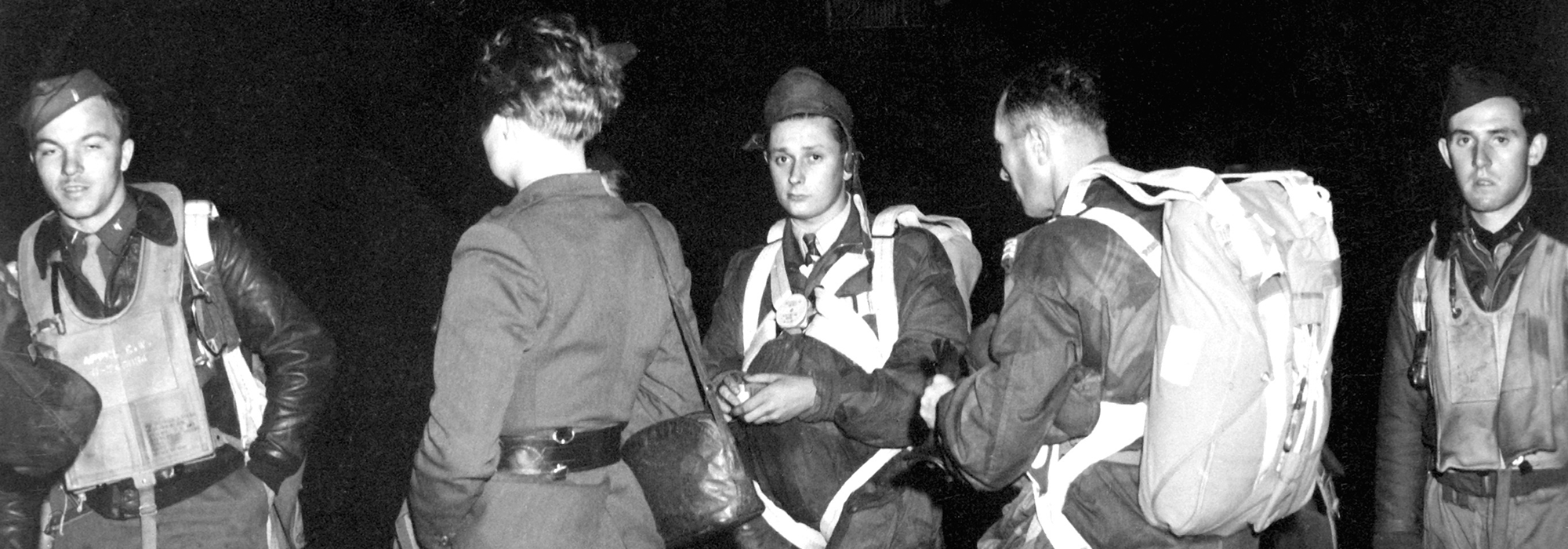
US-UK diplomacy, intelligence sharing, and sabotage operations in enemy territory, 1939-1954
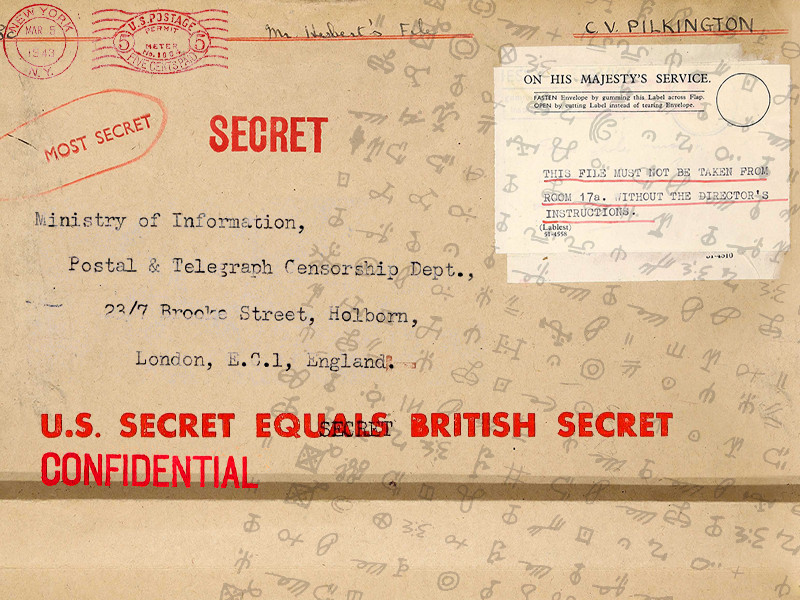
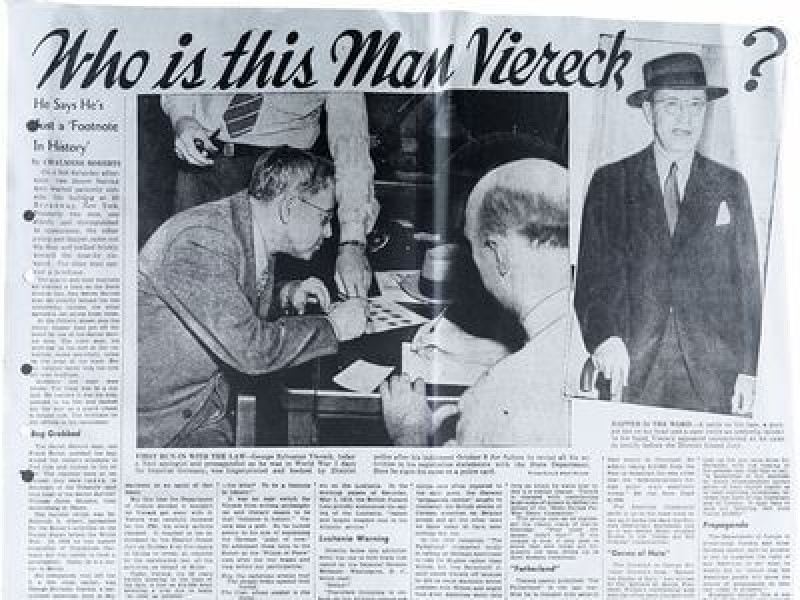
Like the America First Committee, most of the Isolationist-cum-Fifth Columnist organizations sickened and died after Pearl Harbor, but not before carrying on as long as they could muster any support.British security services, 1942,
Access the full collection
Access the full archive of Secrecy, Sabotage, and Aiding the Resistance: How Anglo-American Cooperation Shaped World War II.
Institutional Free Trial
Start your free trialRegister for a free 30-day trial of Secrecy, Sabotage, and Aiding the Resistance: How Anglo-American Cooperation Shaped World War II, for your institution.
Institutional Sales
Visit Sales PagesellFor more information on institutional access, visit our sales page.
Already have a license? Sign in.
Discover how the British and American security services used intelligence to run covert operations in Axis occupied countries
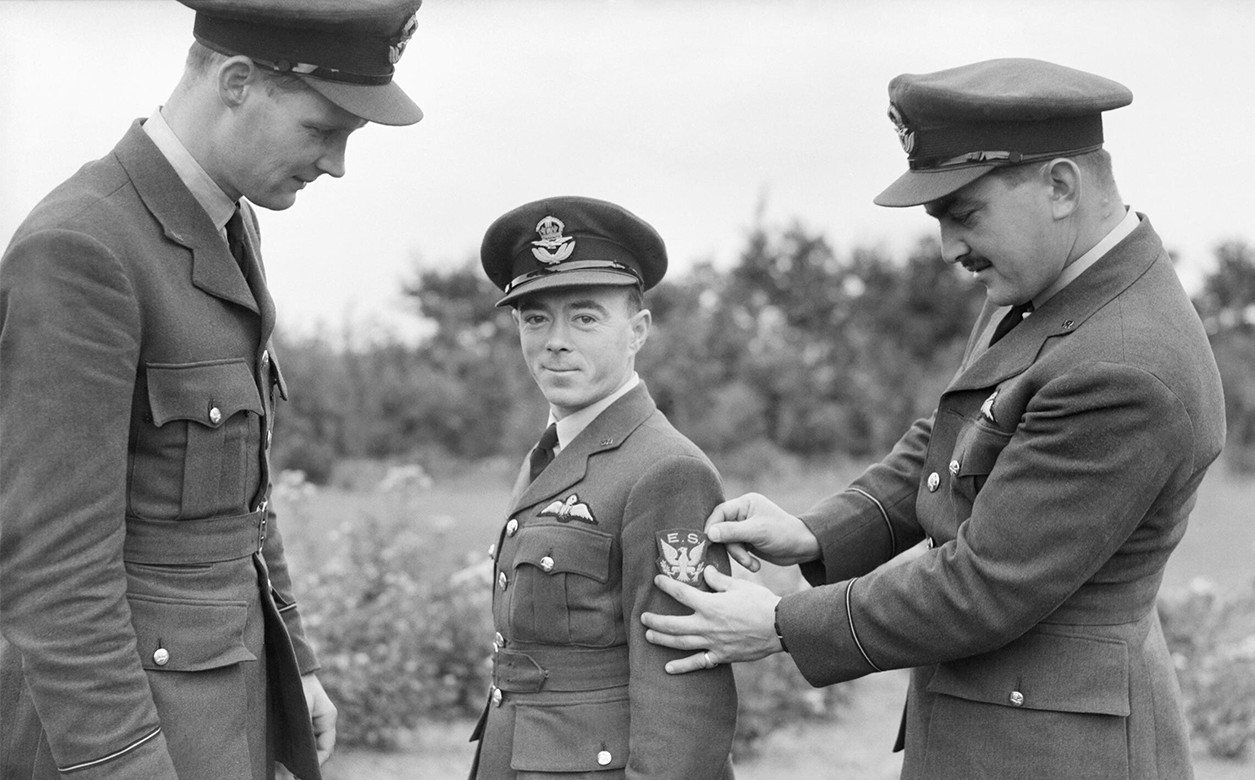
In the summer of 1940, Britain and its empire appeared to stand alone against the onslaught of Nazi Germany. The opportunity to fight back using conventional forces had, for the time being, disappeared. Instead, a new front in the war opened up—one of secrecy, sabotage, and resistance. This new front encompassed a huge variety of different clandestine activities and a number of different agencies.
One of these was the Special Operations Executive (SOE), authorised by the War Cabinet in July 1940, and exhorted by Winston Churchill to “set Europe ablaze”. In late 1941, this became a joint Anglo-American effort. SOE and its American counterpart, the Office of Strategic Services (OSS), worked closely together, sharing information and jointly training recruits. Documents in this collection cover activities in Africa, East and South Asia, Central and South America, the Middle East, and even inside the USA itself.
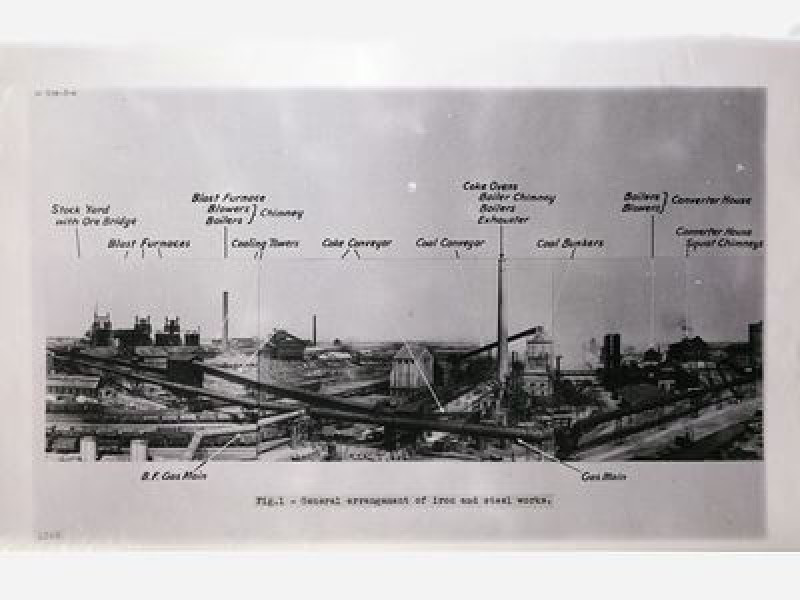
This collection, drawn from The National Archives (UK), covers intelligence-gathering on “hostile” elements at home and abroad; guidance and training for agents in the field; the diplomacy of Anglo-American cooperation; support for prisoners-of-war; and reports on Axis industrial output and weapons production. Taken together, these documents offer an invaluable insight into how the British and Americans worked together to fight the “secret war” between 1939 and 1945.
Contents
Secrecy, Sabotage, and Aiding the Resistance: How Anglo-American Cooperation Shaped World War II...
US-UK diplomacy, intelligence sharing, and sabotage operations in enemy territory, 1939-1954
Discover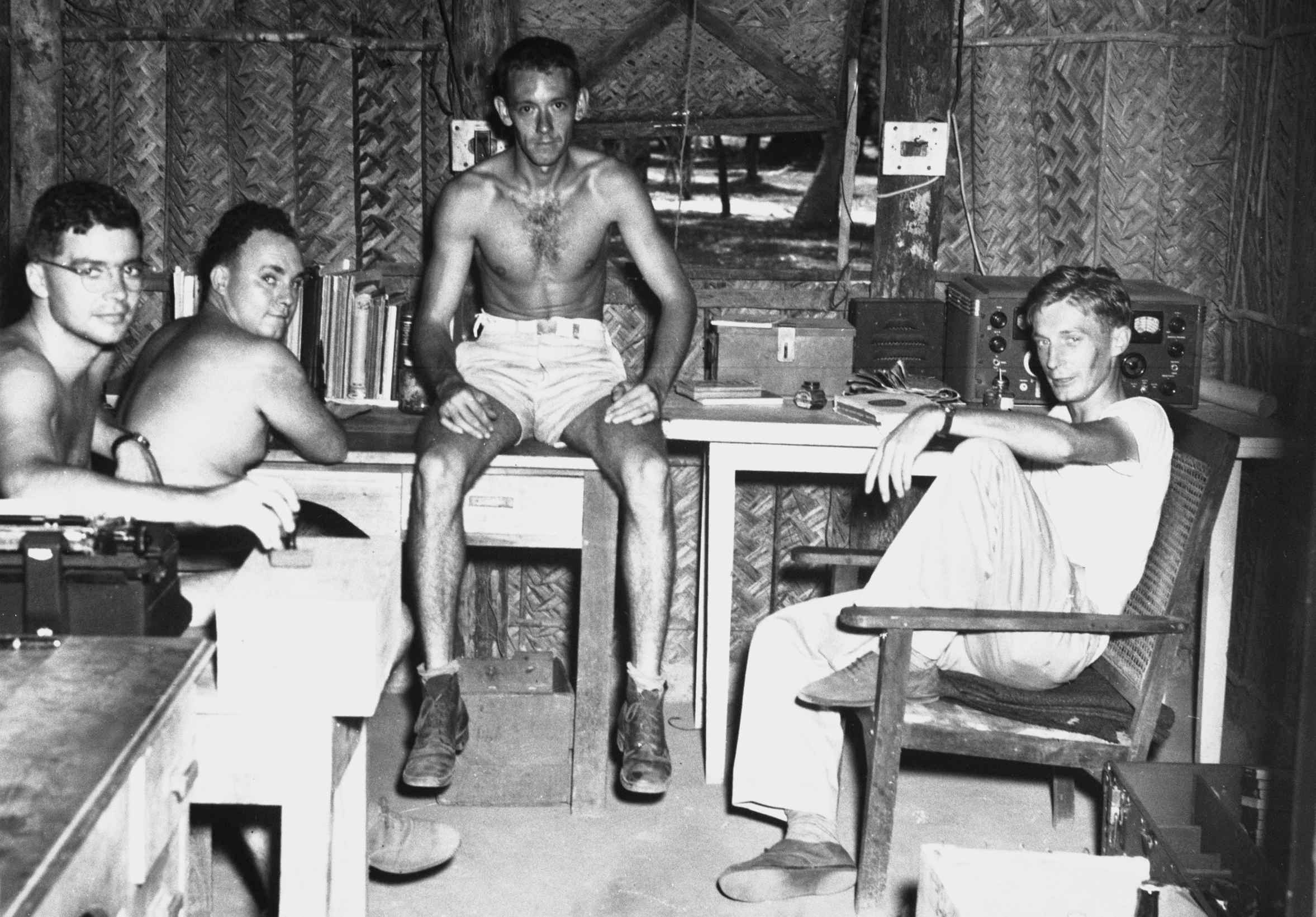
Highlights
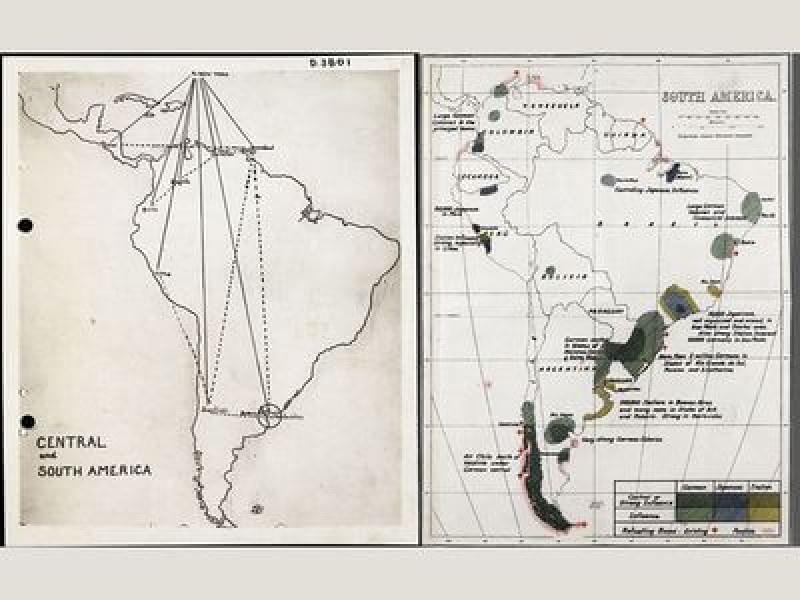
Licensed to access Britain and the US in South and Central America, 1940-1946
Insights
- The Special Operations Executive (SOE) was established on 22nd July 1940 and received orders from Winston Churchill to “set Europe ablaze” through disrupting countries that were occupied by AXIS powers.
- From the outbreak of war, the SOE and the Office of Strategic Services (OSS) worked together to train recruits and share information. They successfully shared intelligence during Operation Jedburgh however, their tumultuous relationship is evident in Algiers as despite sharing a headquarters, they refused to share information with each other.
- The collection is arranged by country, then by subject and contains documents from areas where the SOE and OSS operated such as South East Asia, South and Central America and the Middle East. The collection contains Cabinet Committee reports, War Office reports and Training Handbooks and the documents are drawn from the National Archives.
- The highest volumes of diplomatic materials can be found in 'British security services' activities in the USA, 1940-1945', 'Anglo-American operations in China, 1940-1946', and 'US and British operations in Europe, 1940-1945'.
- Records on the US-UK Jedburgh teams, their sabotage training and their operations in occupied territory are all in one place. They can be found under 'Anglo-American joint projects, 1940-1954'.
- General reports on worldwide events can be found in the volume 'Ministry of Economic Warfare and economic intelligence, 1939-1945'. This volume contains their weekly meetings and intelligence reports and covers industrial output, food rationing and the effect of aerial attacks on manufacturing.
Unlock Historical Research for Your Institution
Provide your students and researchers with direct access to unique primary sources.