Our New Purchasing Scheme is Open! Until 31 July 2026, grab a 20% discount on 20 of our most popular collections! ✕
American Slave Trade Records and Other Papers of the Tarleton Family, 1678–1838
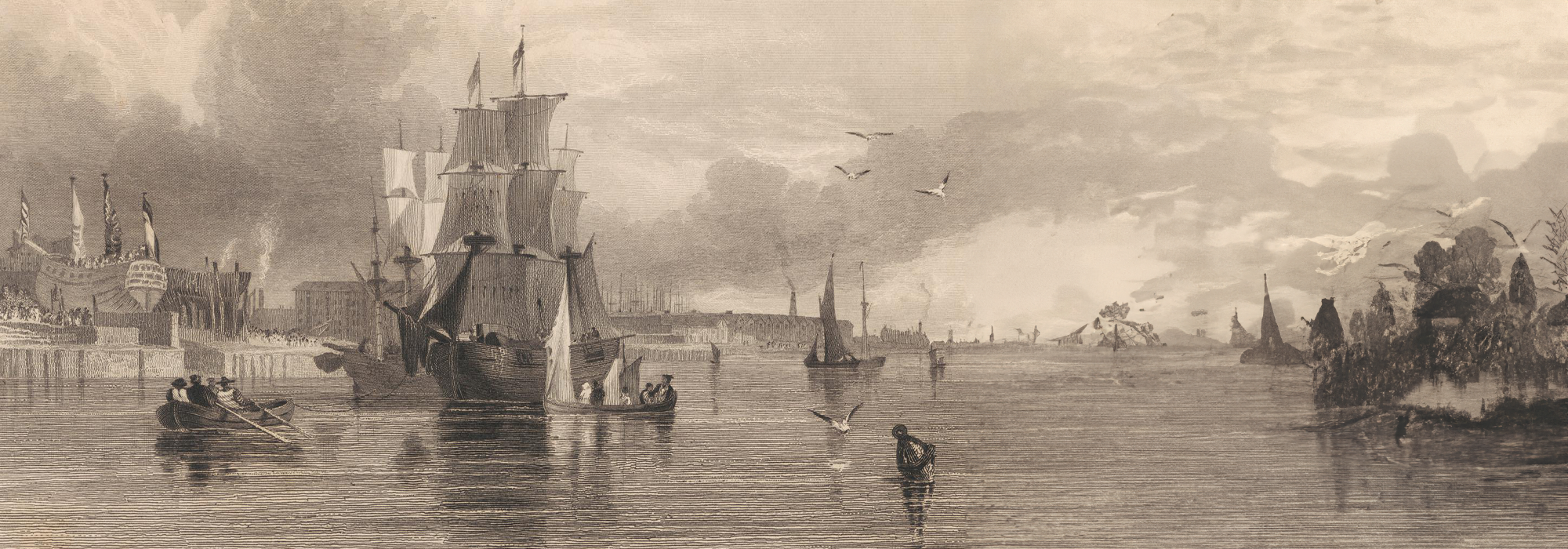
Discover the involvement of the Tarleton family in the slave trade, from their own records and papers.
Policy decisions relating to British slaving and ultimately Caribbean slavery were driven by calculation of British economic self-interest, not morality, as the nation industrialised.Professor David Richardson,
Access the full collection
Access the full archive of American Slave Trade Records and Other Papers of the Tarleton Family, 1678–1838.
Institutional Free Trial
Start your free trialRegister for a free 30-day trial of American Slave Trade Records and Other Papers of the Tarleton Family, 1678–1838, for your institution.
Institutional Sales
Visit Sales PagesellFor more information on institutional access, visit our sales page.
Single User License
Purchase a license below to view the full collection.
Already have a license? Sign in.
Explore the history of the Tarleton family.
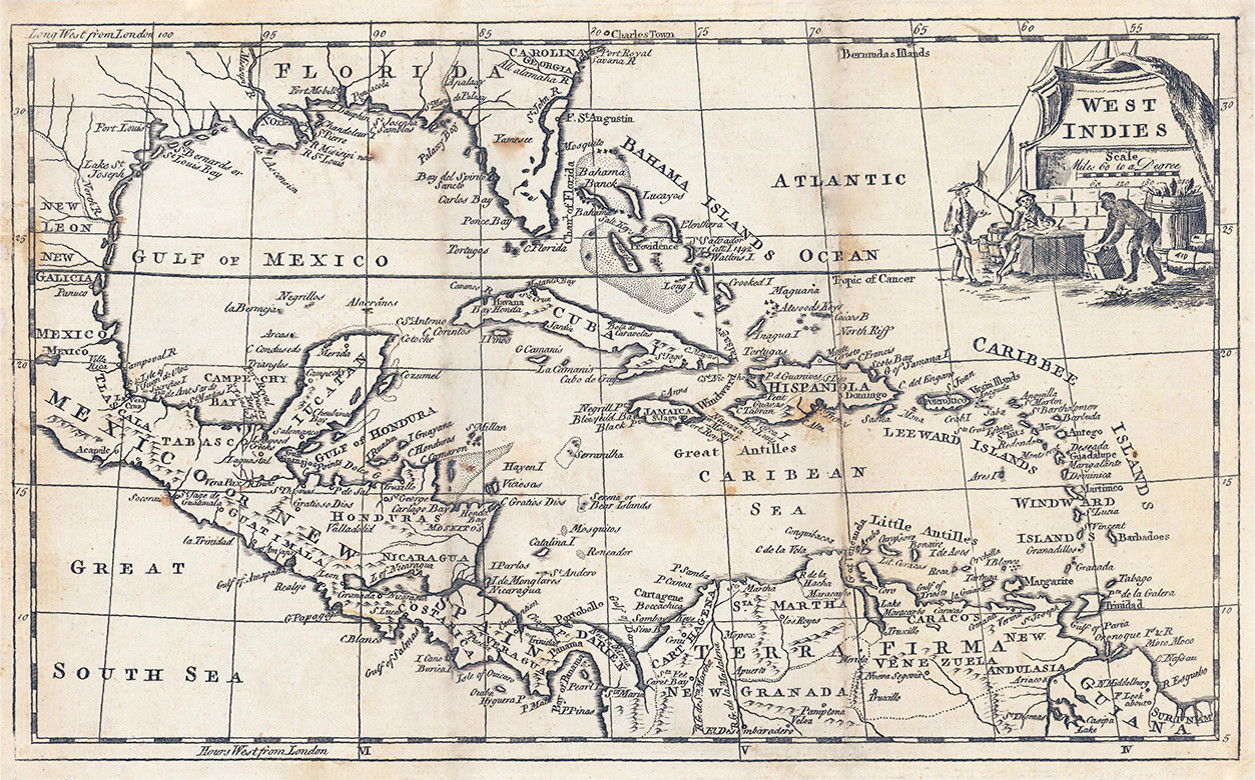
American Slave Trade Records and Other Papers of the Tarleton Family, 1678–1838 contains letters, annual reports, and supplementary materials from the influential Tarleton family, revealing their involvement in the transatlantic slave trade, with a particular focus on Liverpool and the West Indies.
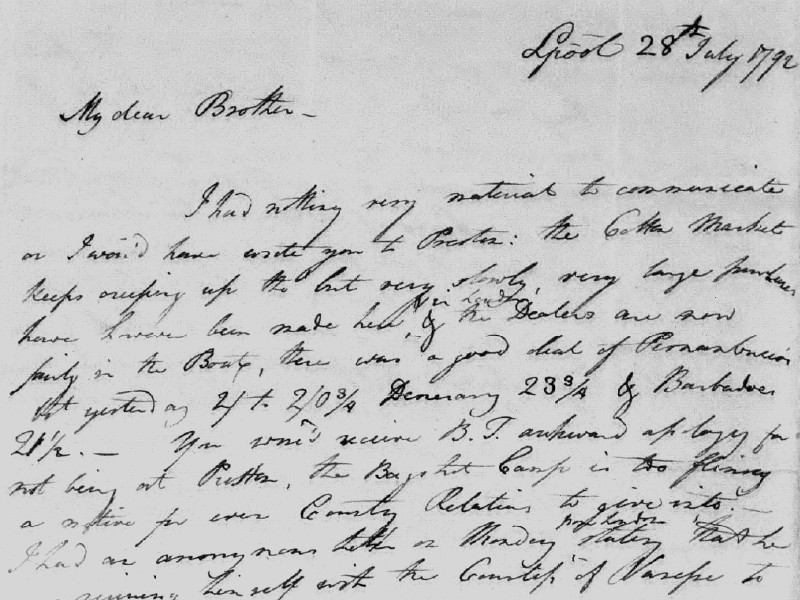
The Tarletons emerged as one of the prominent merchant families in Liverpool. The papers in this collection highlight the financial and social gains amassed by the family due to investments in overseas trade, notably the transatlantic slave trade. The documents also illuminate the political power attained by family members such as Clayton Tarleton, who was elected Mayor of Liverpool in 1792, and John Tarleton, who was elected to parliament that same year.
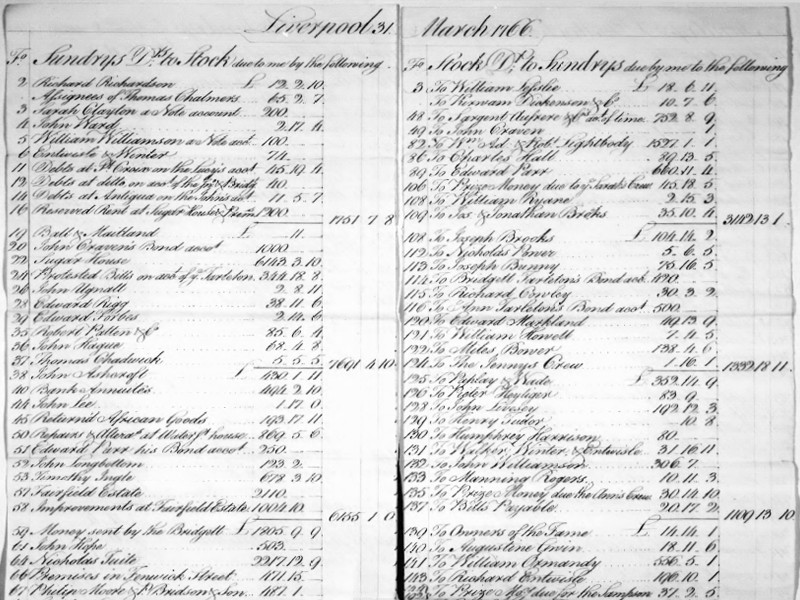
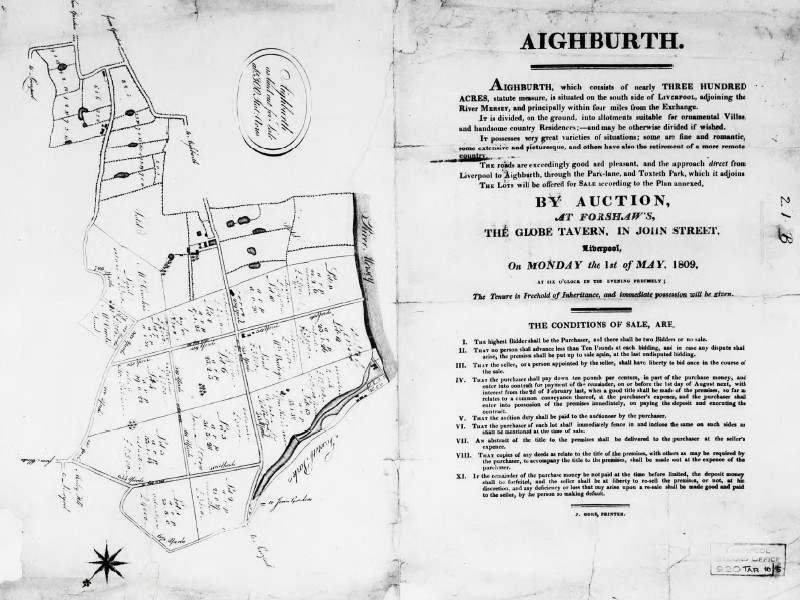
The documents in this collection contain a wealth of information, including: material regarding John Tarleton’s proposed standing for parliament, papers from Clayton Tarleton’s mayoralty of Liverpool, annual reports from Tarleton family members, a plan of the family’s Belfield Estate in the West Indies, and a collection of settlements, wills, and deeds relating to property. These papers provide students and researchers with unique insights into the Tarleton family and their activities. The collection likewise casts light on Britain’s involvement in the transatlantic slave trade and the economic gains made from it during this period.
Contents
American Slave Trade Records and Other Papers of the Tarleton Family, 1678–1838...
Discover the involvement of the Tarleton family in the slave trade, from their own records and papers.
Discover
Highlights
Insights
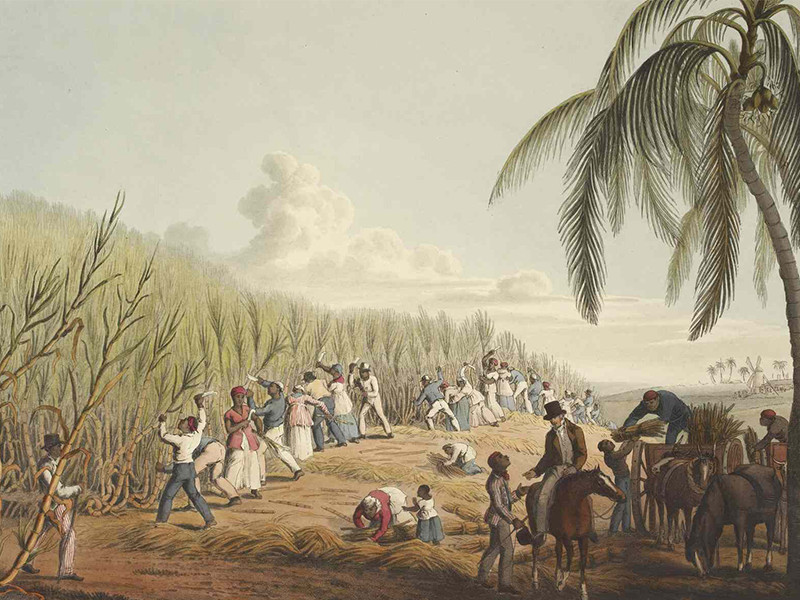
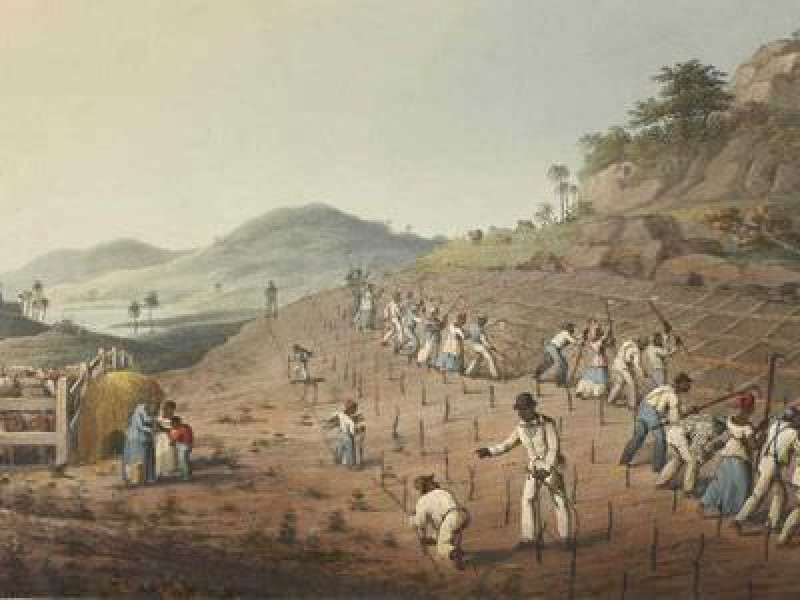
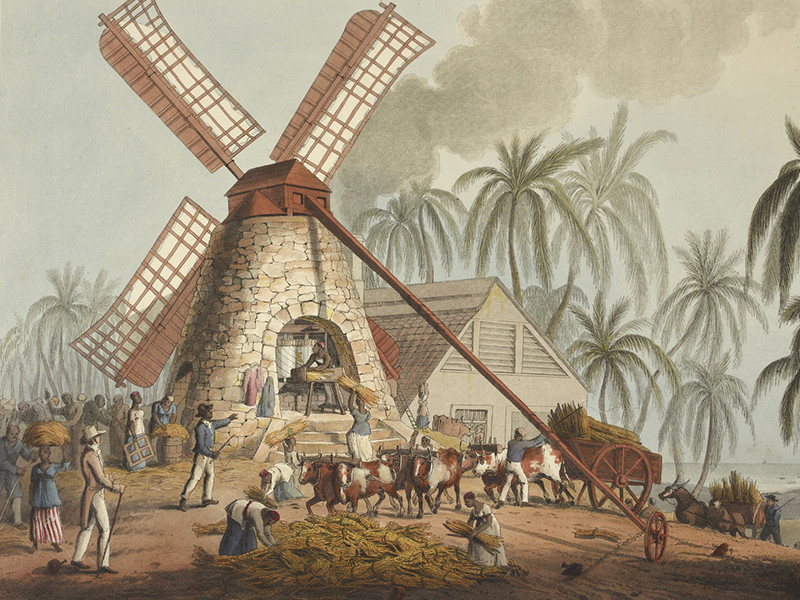
The Tarletons emerged as one of the prominent Liverpool merchant families. They were heavily involved in the transatlantic slave trade, particularly in the West Indies. The family part-owned slave ships and also owned estates in Carriacou, Grenada, and Dominica. In March 1790 Tarleton & Backhouse was the third largest firm involved in the transatlantic slave trade in Liverpool.
The family members made significant social and financial gains from the transatlantic slave trade. They likewise amassed political power and influence. Their advance is detailed within the collection, with documents relating to Clayton Tarleton’s tenure as Mayor of Liverpool.
John Tarleton was a merchant alongside his brothers Thomas and Clayton. He was also a prominent opponent of the abolition of slavery. John was involved in setting up a committee to inquire into William Wilberforce’s charges against the captains of slaving ships. John Tarleton also promoted resistance to the Slave Trade Act (also known as Dolben’s Act) of 1788, which regulated slaving ships.
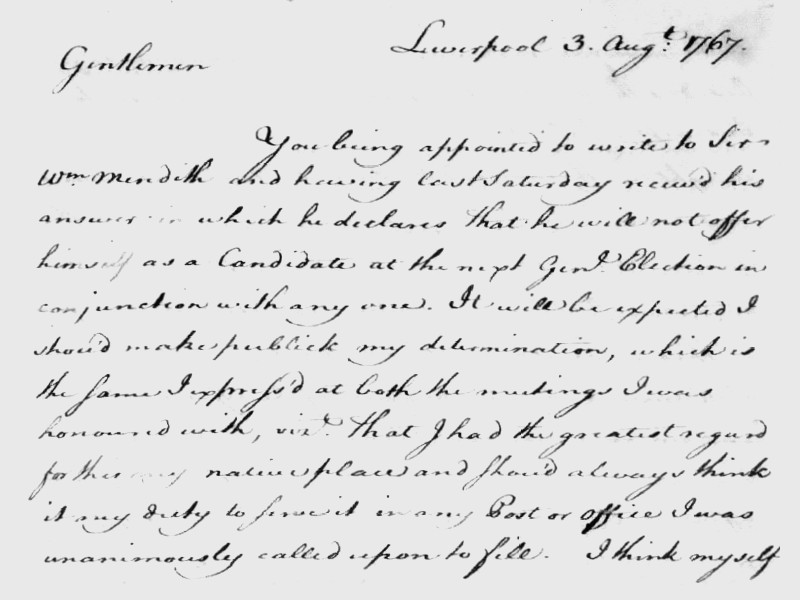
John Tarleton was defeated when he ran for election to parliament in 1790. He was subsequently seated on petition in 1792. He voted against abolition in parliament on 15 March 1796. Indeed, between 1786 and 1804 he invested in 39 slave ships. Included in this collection are documents pertaining to his proposal to stand for parliament.
Unlock Historical Research for Your Institution
Provide your students and researchers with direct access to unique primary sources.