Our New Purchasing Scheme is Open! Until 31 July 2026, grab a 20% discount on 20 of our most popular collections! ✕
Trade Unionism and the Chartist Movement, 1833–1910
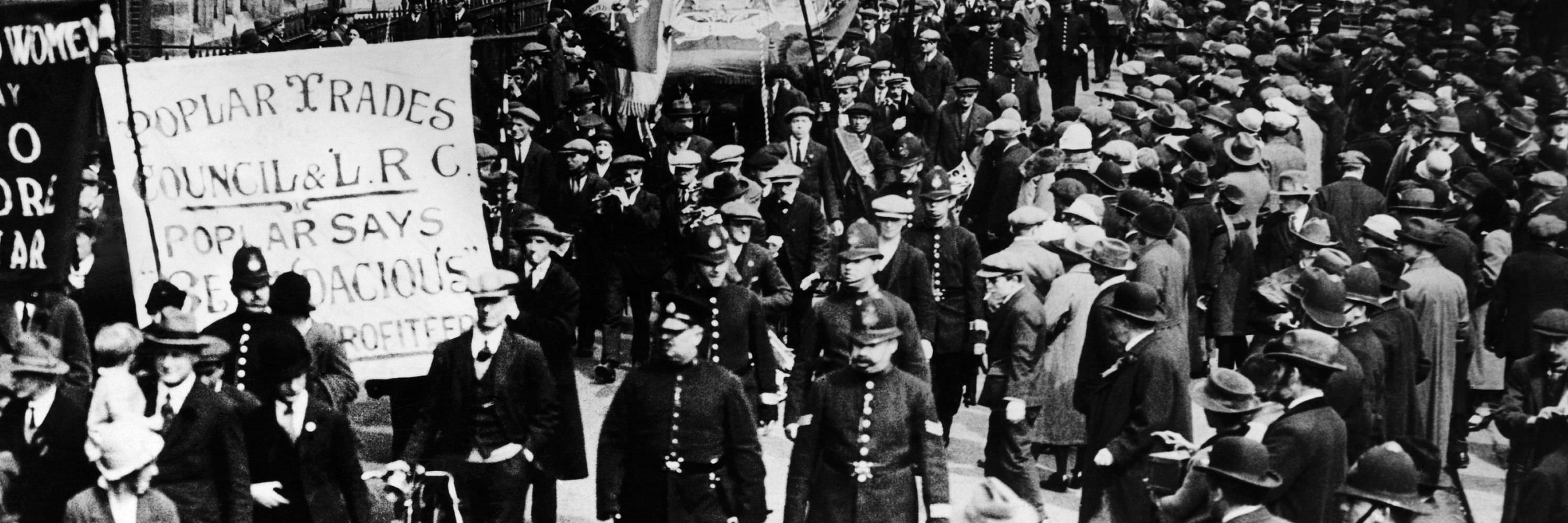
The selected papers of George Howell, 1833–1910
Described as 'the best collection on the Victorian labour movement in the world', the archive of George Howell comprises one of the most valuable research resources on nineteenth century liberal and radical politicsStefan Dicker,
Access the full collection
Access the full archive of Trade Unionism and the Chartist Movement, 1833–1910.
Institutional Free Trial
Start your free trialRegister for a free 30-day trial of Trade Unionism and the Chartist Movement, 1833–1910, for your institution.
Institutional Sales
Visit Sales PagesellFor more information on institutional access, visit our sales page.
Single User License
Purchase a license below to view the full collection.
Already have a license? Sign in.
Read accounts from chartists, methodists, and the Victorian labour movement
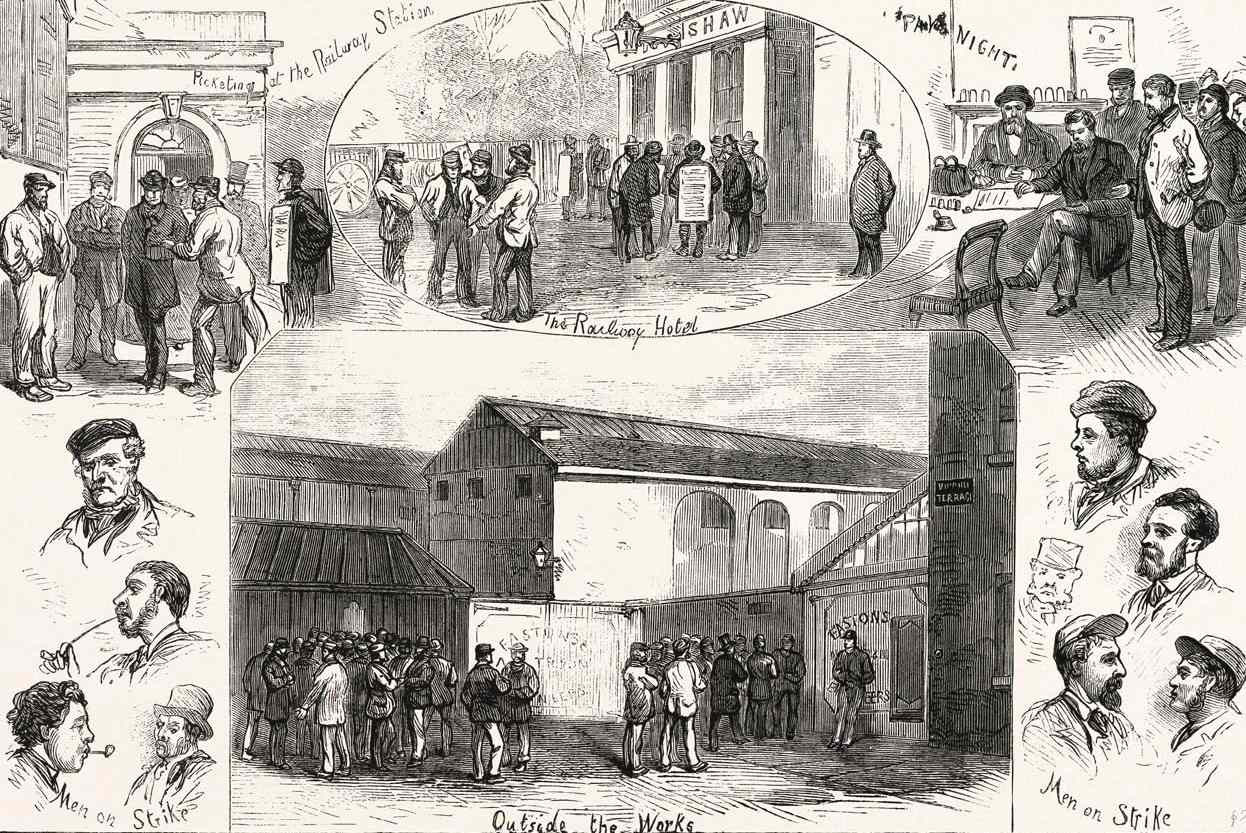
George Howell (1833-1910) was a prominent and well connected member of the labour movement during the growth of trade unions and the Chartist movement’s fight for male suffrage. During his time as an apprentice shoemaker he was introduced to radical publications like the Northern Star and Red Republican and subsequently became a member of the Chartist movement in 1848. He steadily gained a strong reputation in the rising labour movement and worked with figures like Karl Marx, Charles Bradlaugh, George Jacob Holyoake, E. S. Beesly, and Frederic Harrison. Howell became Secretary of the Reform League in 1865, and was also involved in the London Trades Council and Marx’s International Workingmen’s Association. He later became a Member of Parliament for North East Bethnal Green in 1885 as part of the Liberal-Labour movement.
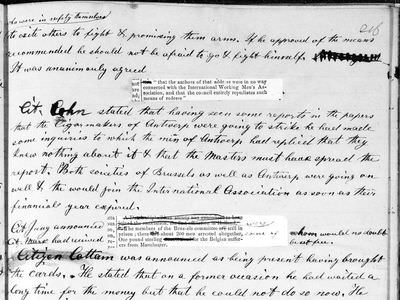
The collection contains a wealth of material from the many organisations and movements that Howell contributed to. This includes minutes, circulars, press cuttings, and reports from the International Workingmen’s Association, the Reform League, and the Trade Union Congress. Additionally, there is also an abundance of correspondence between Howell and key figures within the 19th century labour movement, as well as Howell’s intimate personal diaries and autobiographical material.
Contents
Trade Unionism and the Chartist Movement, 1833–1910...
The selected papers of George Howell, 1833–1910
Discover
Volumes



Insights
- The miscellaneous content relating to Howell includes articles of his which were published in the press. The first of these articles is a six page commentary on what Robert Owen's voluntary socialism really meant.
- While Howell was a labour movement activist and campaigner it his own right, a lot of the value of these papers comes from who he corresponded with. Key figures include George Jacob Holyoake and Samuel Plimsoll.
- Howell's roles in the labour movement included Secretary of the London Trades Council, Secretary of the Reform League, member of the TUC's Parliamentary Committee and MP for North East Bethnal Green.
- The Reform League was formed to campaign for all men to have the right to vote and be represented in Parliament. Howell's role as Secretary was key to its success and some of its papers feature in this collection.
Unlock Historical Research for Your Institution
Provide your students and researchers with direct access to unique primary sources.