Great Britain was transformed in the Georgian period, which began with the accession of King George I in 1714. Against a backdrop of immense social and cultural change, political radicalism was fuelled by revolutions abroad and Enlightenment ideas of liberty and egalitarianism. At the same time, the impact of wars, industrialisation, and economic change resulted in unemployment and high taxes and prices, leaving many in society impoverished and desperate for change.
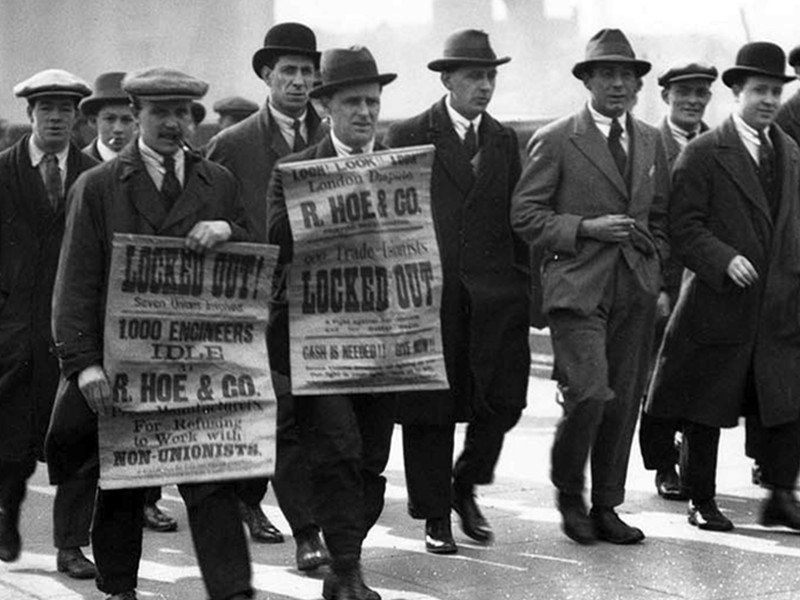
Comprising over 90,000 images sourced from The National Archives (UK) and the Working Class Movement Library (UK), this fascinating collection examines stories of protest and dissent, activism and unrest, conspiracies and plots, and acts of treason and rebellion against the government and the monarchy.
A radical press thrived in a time of prolific popular print culture, and radical societies and revolutionary committees around Britain demanded reform. This collection features influential works of radicals and reformers, such as Thomas Paine, the political theorist whose calls for fundamental change had such an impact in revolutionary America.
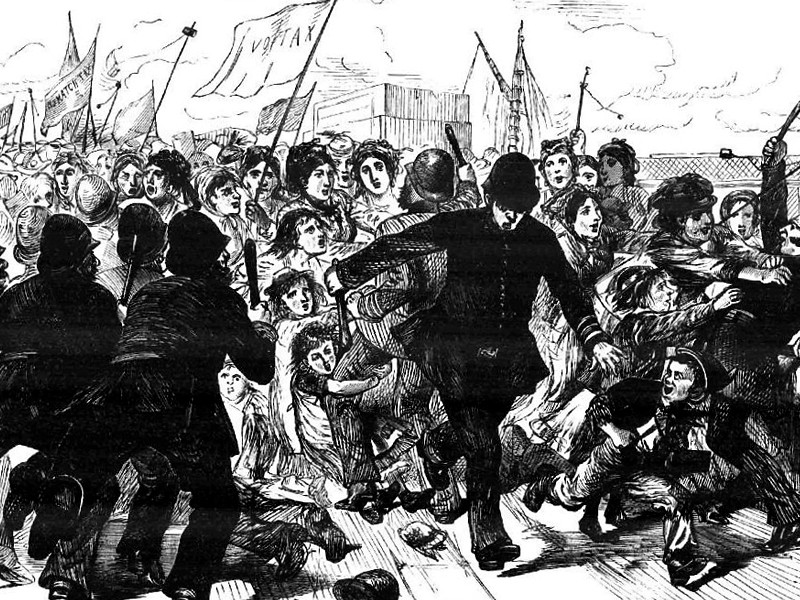
It also surveys rioting in the 1720s to protests in the 1830s, when the 1832 Reform Act quelled some calls for reform, while igniting many others. The sources include numerous accounts of agricultural disorder and industrial grievances, such as frame–breaking and Luddism. An unstable relationship between the people and the authorities raised issues of suffrage, citizenship, rights, class, and gender. Significantly, this collection celebrates the agency of ordinary people within, and their contribution to, popular protests.
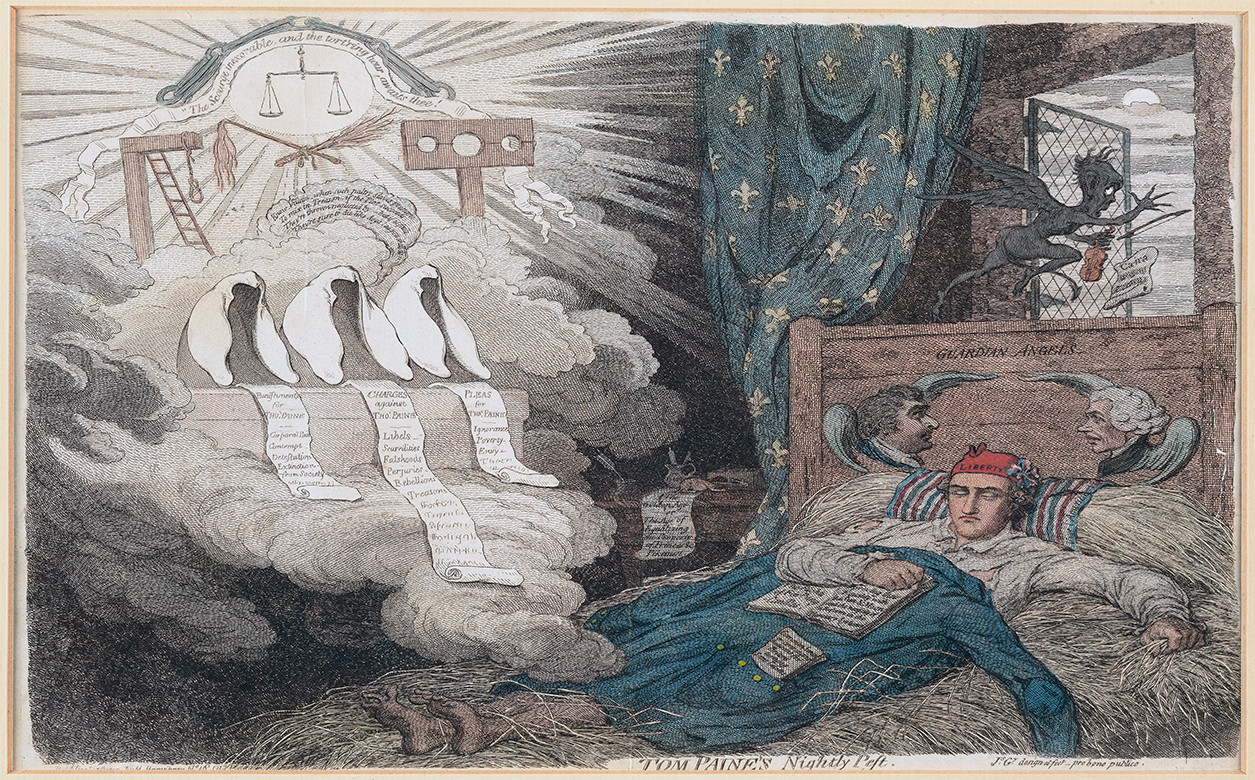
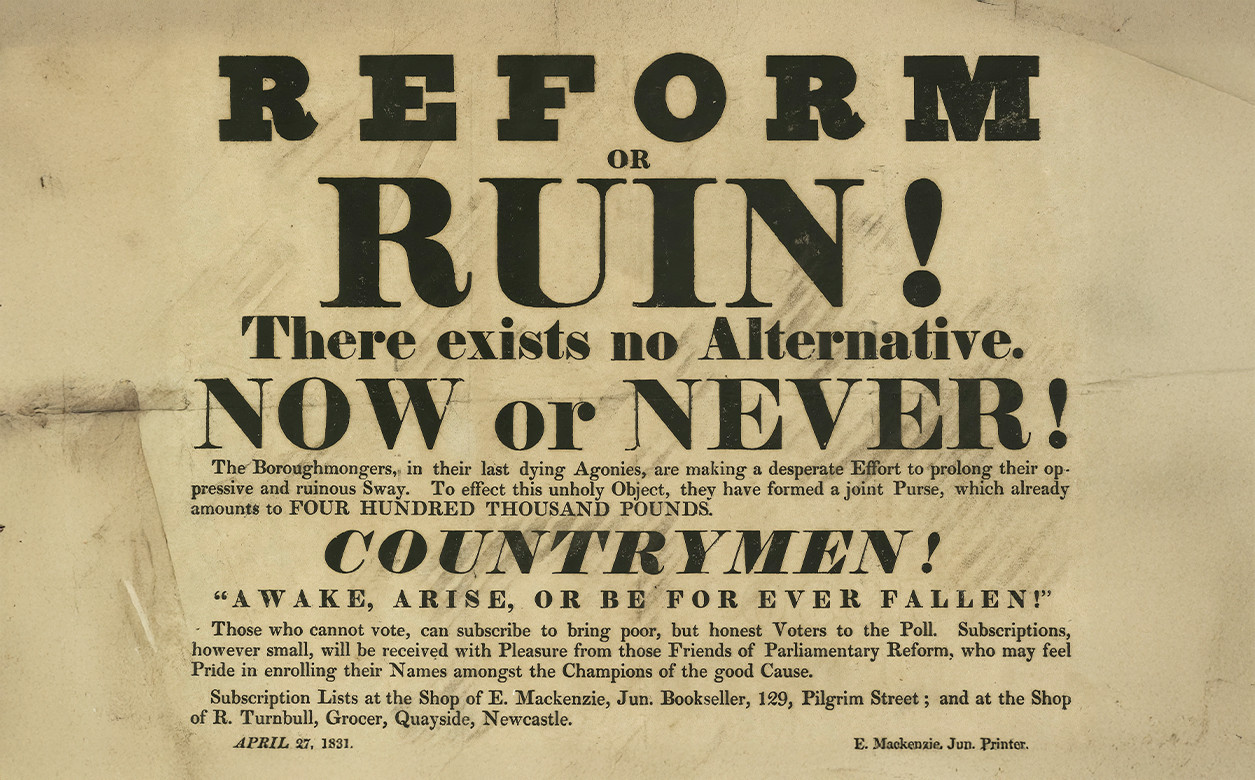
Featured are a wide range of sources, including pamphlets and “seditious” publications and papers; posters, broadsides, and handbills; poetry, songs, and ballads; and satirical prints and cartoons. The records are drawn from a number of government papers, including King’s Bench and Treasury Solicitor files that document state trials, riots, and sedition.
Interdisciplinary in approach and ethos, this collection will appeal to students, educators, and researchers studying social and cultural history, particularly those interested in popular politics and social movements, print culture, legal history, and the history of ideas. Those situated within the fields of criminology, sociology, and other branches of the social sciences will likewise find much of value in this collection—its themes resonate strongly with modern day popular protest campaigns concerning rights, representation, and social justice.










-colour.svg)