Our New Purchasing Scheme is Open! Until 31 July 2026, grab a 20% discount on 20 of our most popular collections! ✕
Slavery in Jamaica, Records from a Family of Slave Owners, 1686–1860
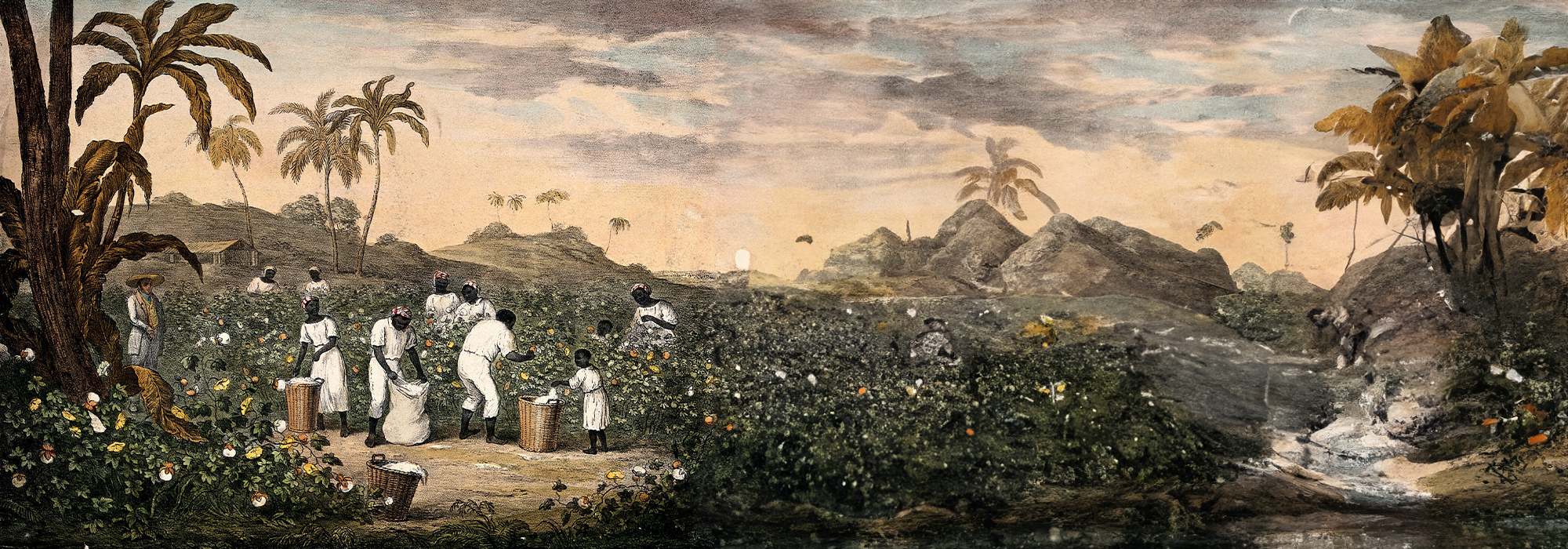
Papers relating to the Jamaican estates of the Goulburn family
Though Jamaica was not a monocultural economy, its agricultural and commercial life was largely based on slavery and sugar cultivationProfessor Kenneth Morgan,
Access the full collection
Access the full archive of Slavery in Jamaica, Records from a Family of Slave Owners, 1686–1860.
Institutional Free Trial
Start your free trialRegister for a free 30-day trial of Slavery in Jamaica, Records from a Family of Slave Owners, 1686–1860, for your institution.
Institutional Sales
Visit Sales PagesellFor more information on institutional access, visit our sales page.
Single User License
Purchase a license below to view the full collection.
Already have a license? Sign in.
From public life in Britain to the cane fields of Jamaica
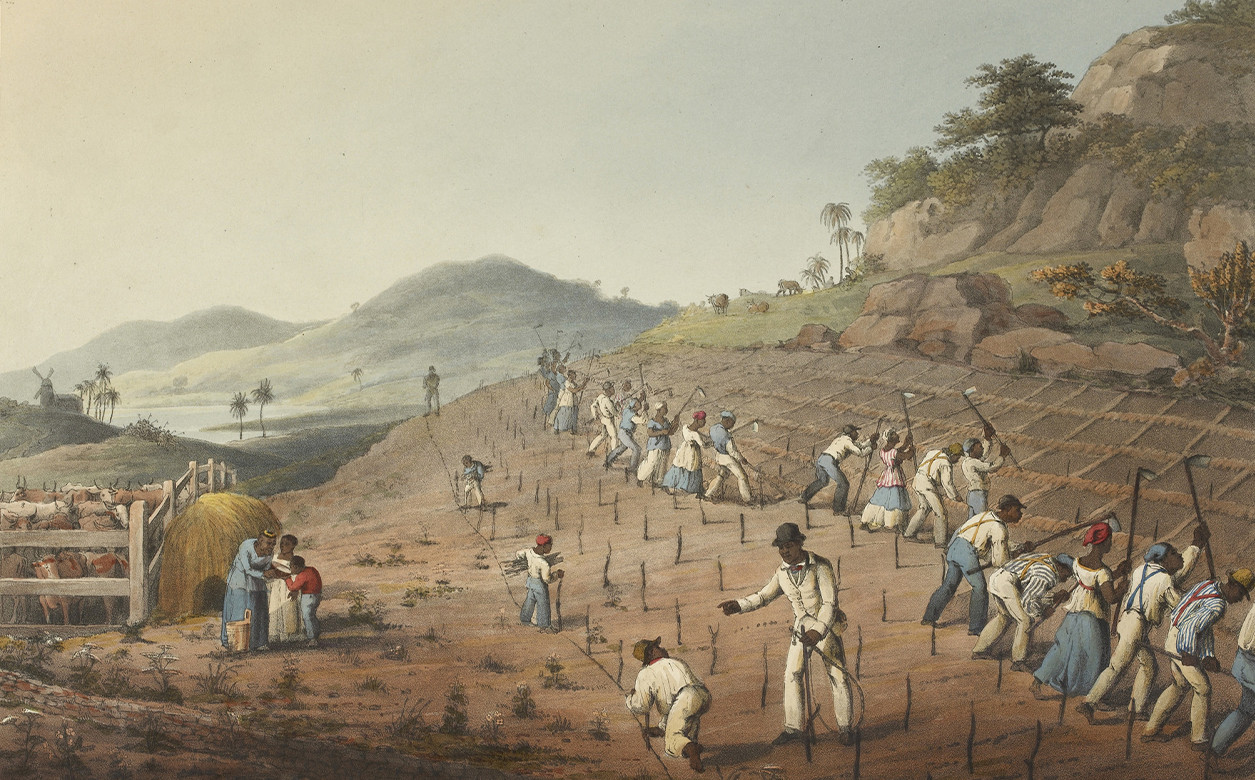
This collection contains records from the Surrey History Centre detailing the Goulburn family’s longstanding ownership of the Amity Hall plantation and associated properties in Jamaica during the seventeenth and eighteenth centuries. The plantation had 300 acres of land cultivated for the lucrative sugar cane and, at its peak, housed almost 300 enslaved people.
Most of the papers concern the properties when they were administered by Conservative MP Henry Goulburn between 1805 and 1856. They provide a comprehensive overview of the operation and eventual abolition of the slave trade in Jamaica and the West Indies. This covers everything from abolitionist criticism of Goulburn’s plantation to the resistance and organisation of enslaved workers.
Contents
Slavery in Jamaica, Records from a Family of Slave Owners, 1686–1860...
Papers relating to the Jamaican estates of the Goulburn family
Discover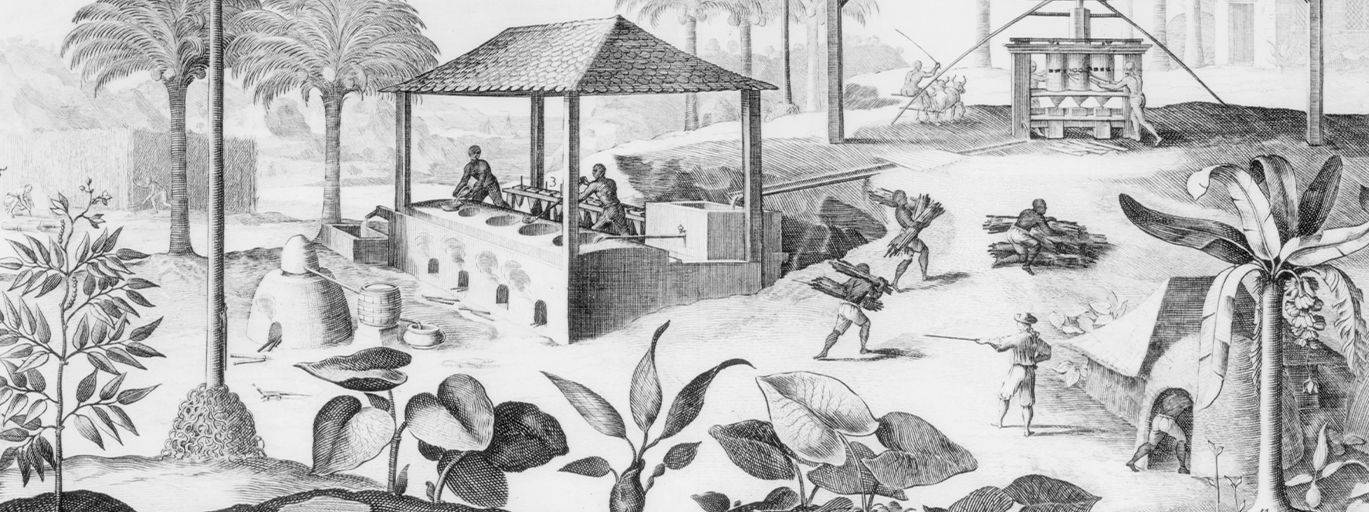
Highlights
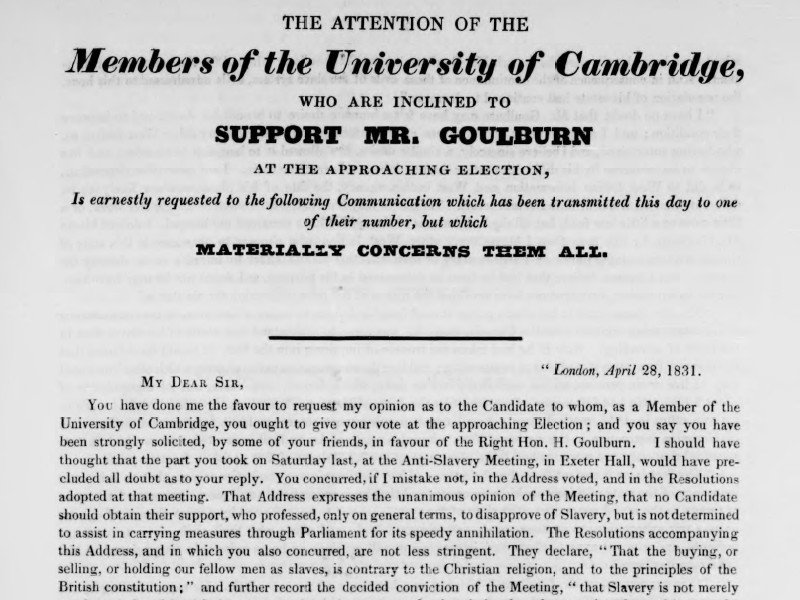
Licensed to access Letters and printed papers relating to Henry Goulburn's parliamentary candidature (Apr 1831-May 1832)
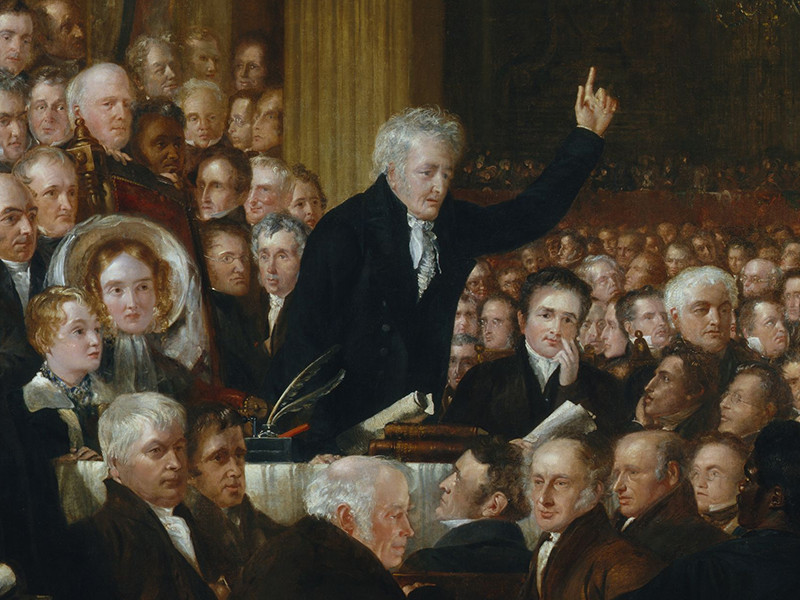
This document includes papers relating to Henry Goulburn's parliamentary candidature and reveal the influence of the abolitionist movement on Goulburn’s election to represent the University of Cambridge.
Insights
Amity Hall was a sugar cane plantation located in Jamaica and administered by several generations of the British Goulburn family. Henry Goulburn, who came to own the properties, was an aristocratic Conservative MP for several seats in the south of England.
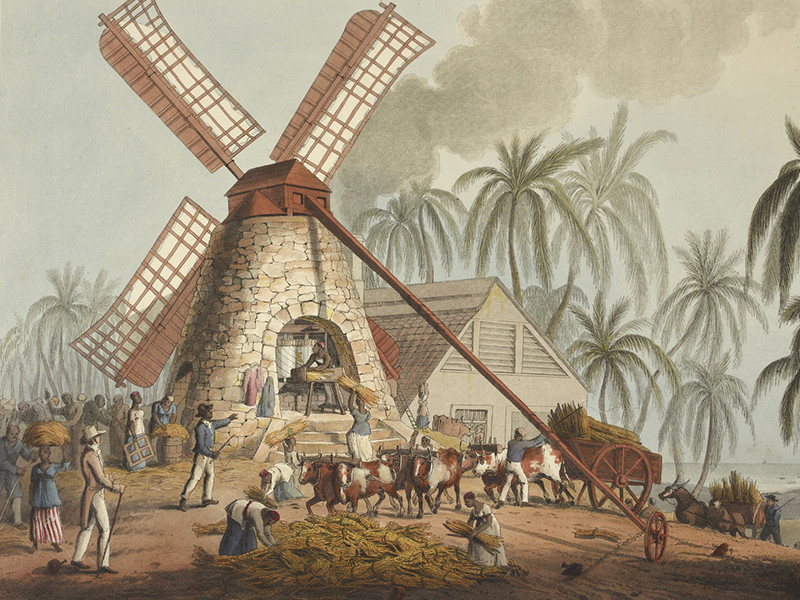
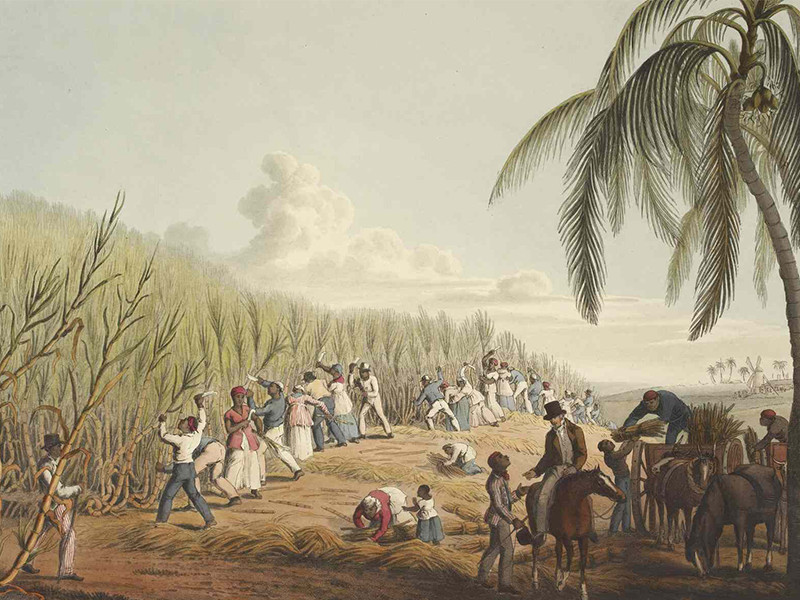
This collection contains archival material offering a comprehensive overview of the complex and brutal operations of a sugar plantation.
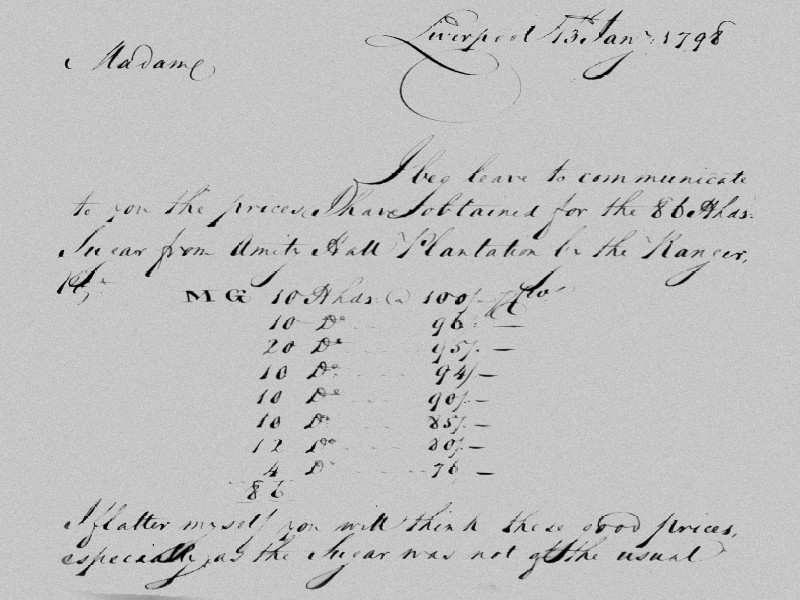
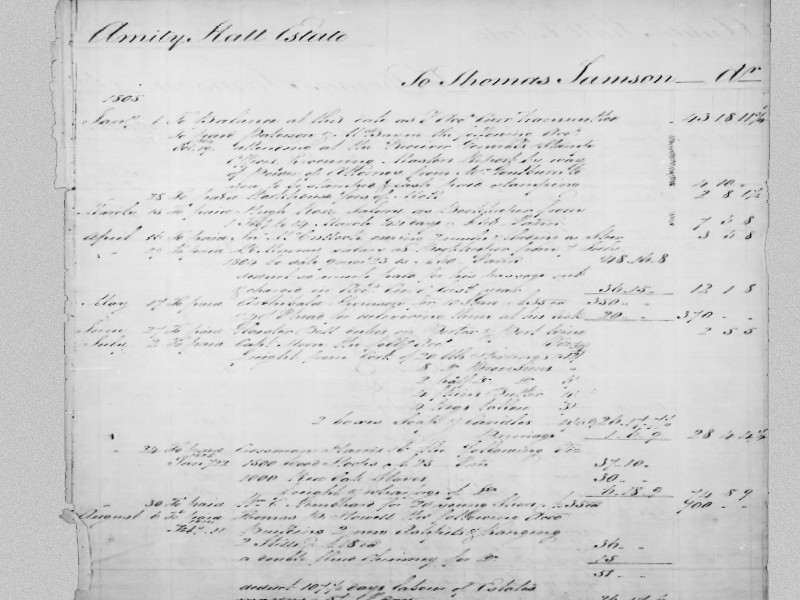
The documents cast a light on the management of Amity Hall, including statistics on the price of enslaved workers and the crops they produced, the family’s response to abolitionist opposition in Britain, and files detailing the plantation’s cruel policies towards enslaved workers.
The collection documents the horrific conditions in which the enslaved workers had to exist. Enslavers like Goulburn retained full control of their lives and treated them as commodities.
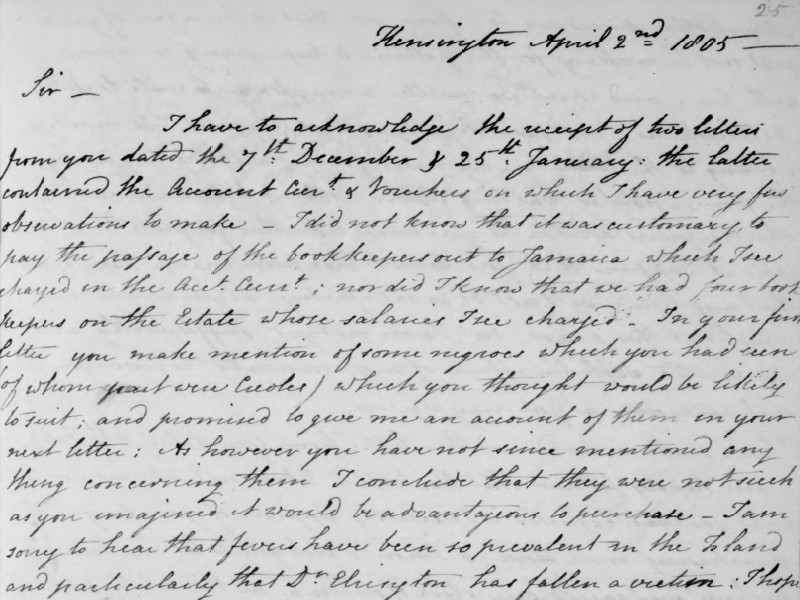
The collection contains correspondence between the Goulburns and their agents who took care of the day-to-day management of the plantation.
The liberation of enslaved peoples via the Emancipation Act of 1833 is also covered in the documents.
Unlock Historical Research for Your Institution
Provide your students and researchers with direct access to unique primary sources.