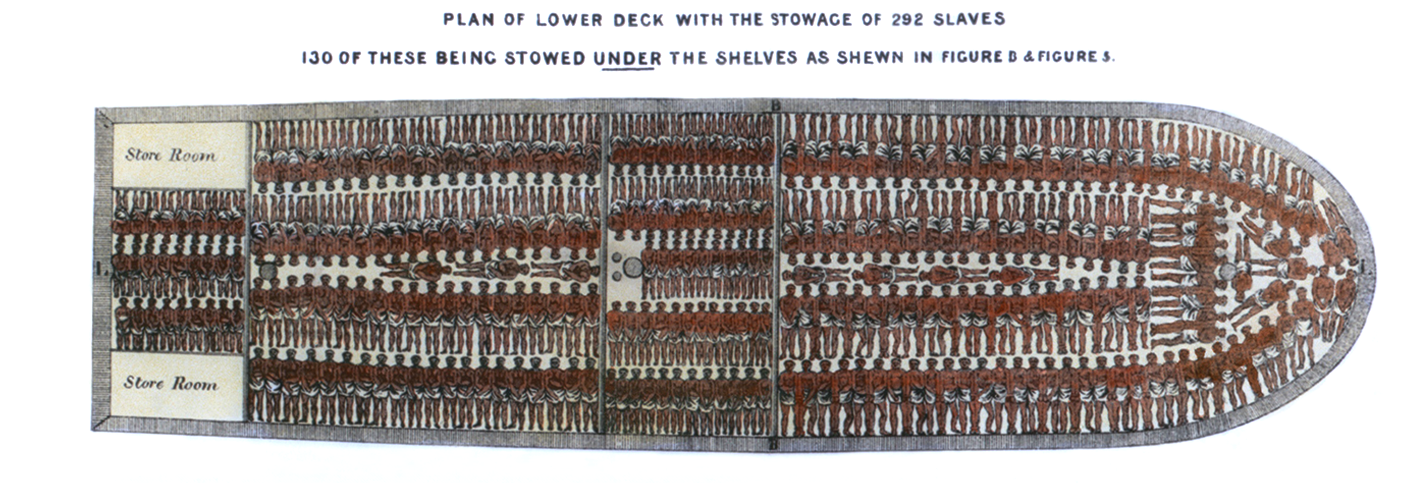
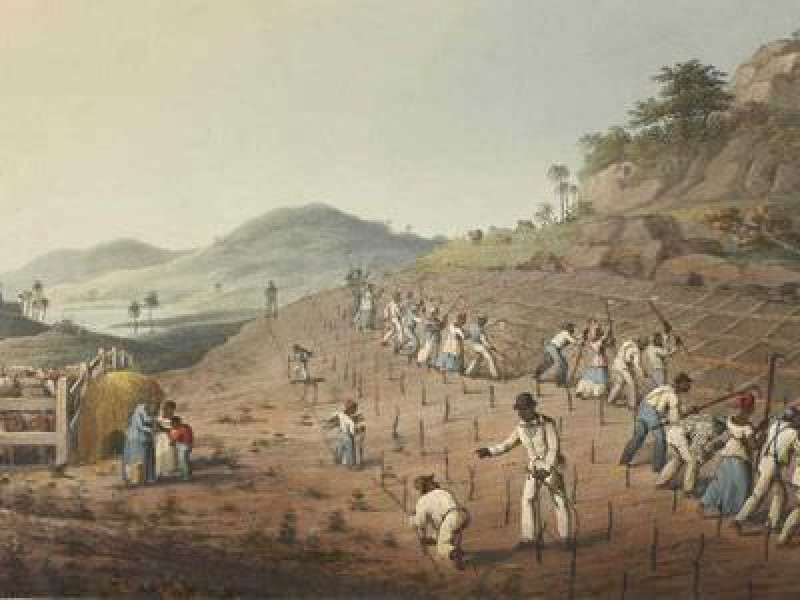
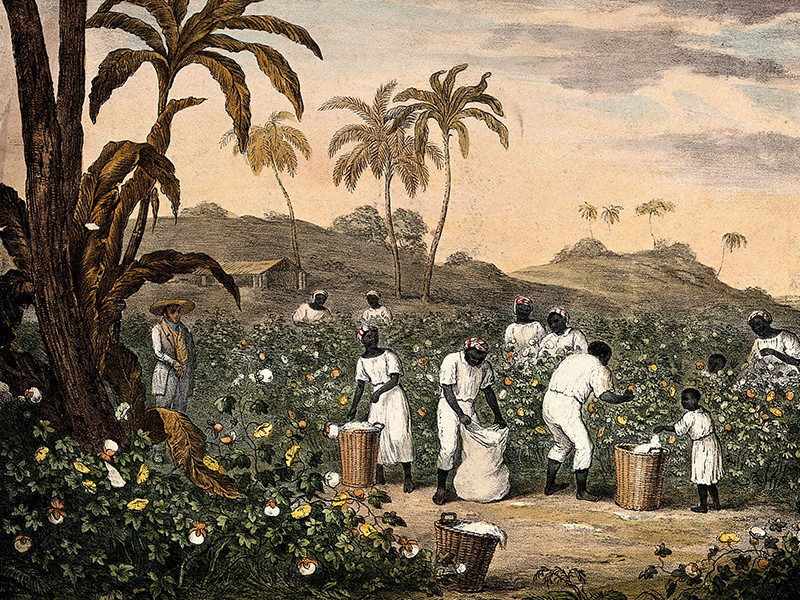
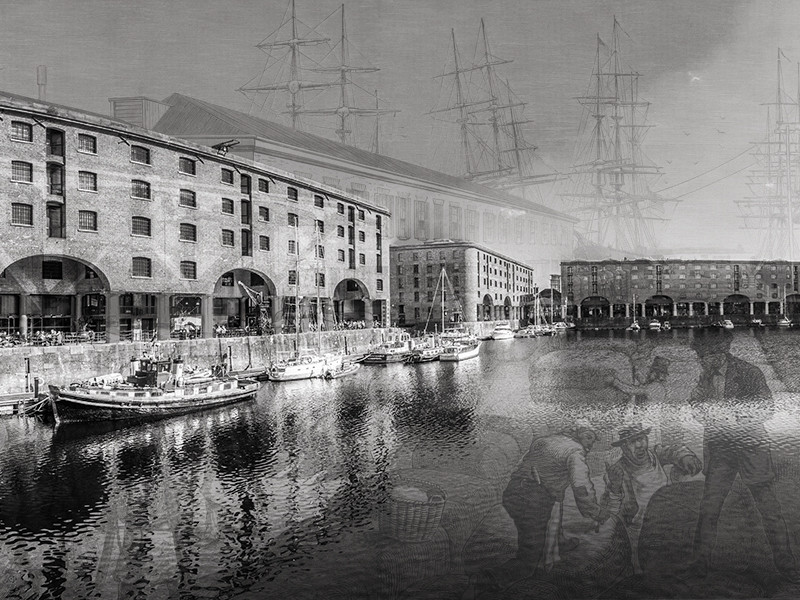
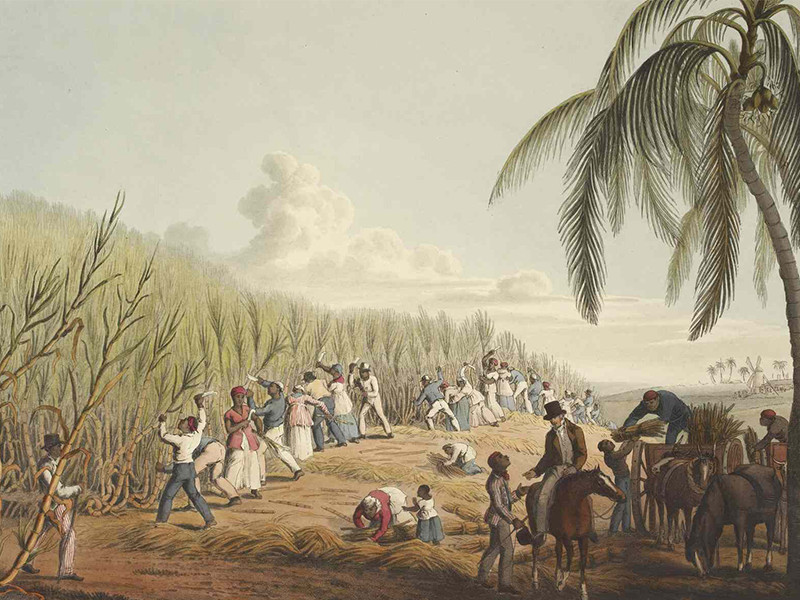
It was reasonably hoped, both in England and Africa, that a mortal blow had been struck against this Traffic, as the only two great maritime people who could effectively carry it on, had now, according to all appearance, willingly abandoned it
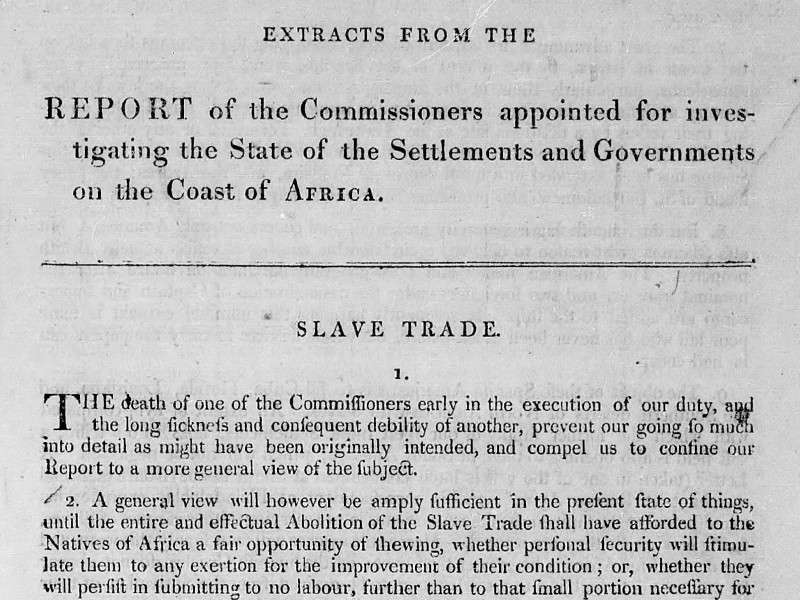
Report of the Commissioners on African Settlements: report on the slave trade, 1811, img 1
Access the full collection
Access the full archive of Slavery Through Time: from Enslavers to Abolitionists, 1675–1865.
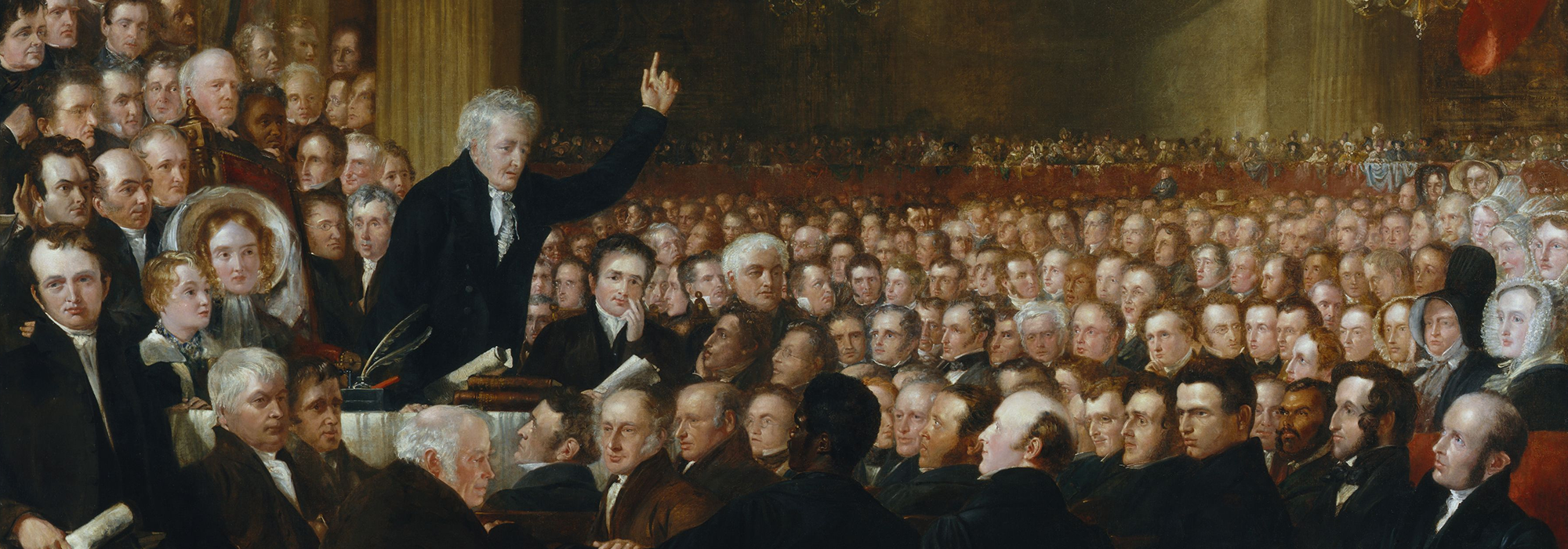
Discover how abolitionists argued for the prohibition of the Transatlantic Slave Trade
This collection explores and offers varying perspectives on the explosive debate around the Transatlantic Slave Trade during the seventeenth, eighteenth, and nineteenth centuries. The documents, through a combination of correspondence, pamphlets, memoirs, and statistics, track both the proliferation of British power and the enslavement it was built upon, as well as the moral critiques that arose as a reaction to the horrific practice.
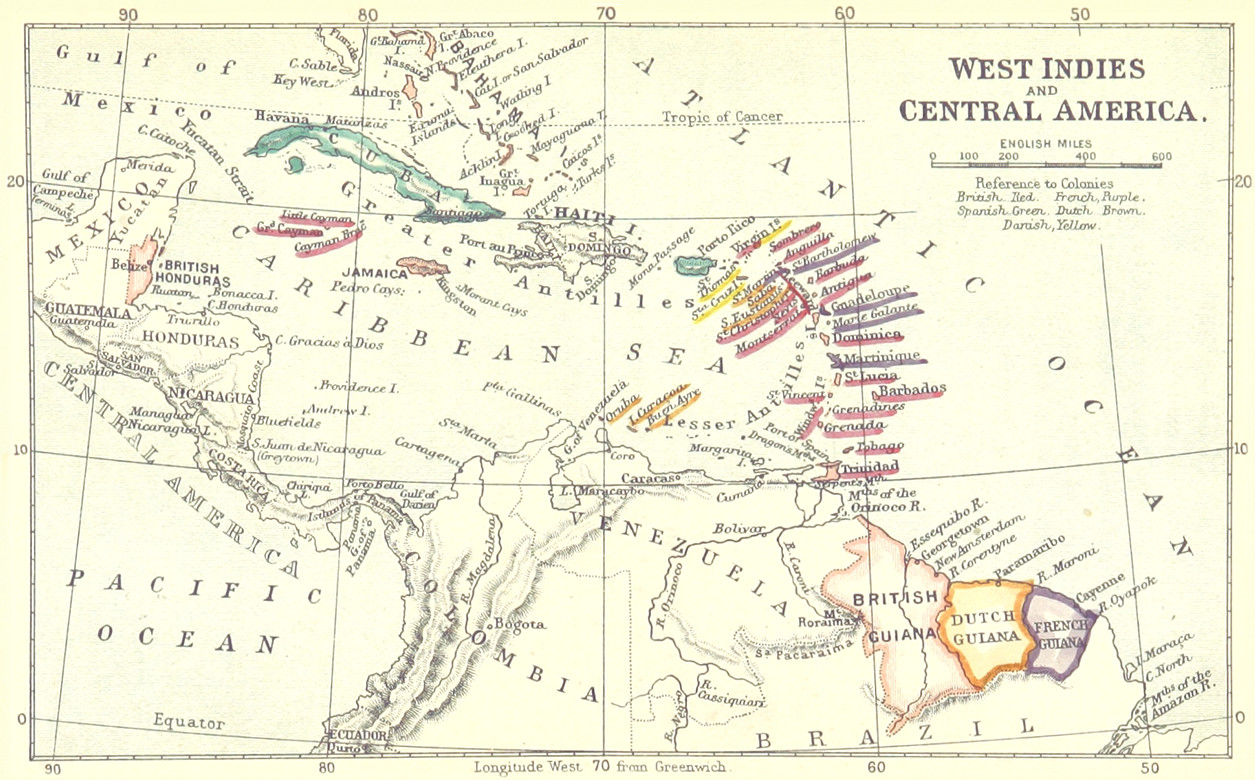
The focus of the documents coalesces around how enslavement and trade manifested in the West Indies, one of Britain’s most valuable colonial assets. Unsurprisingly, those who stood most to lose from the abolition of slavery, namely the business community and plantation owners, undertook activity to convince people of the benefits of slavery. On the other hand, religious and other civil society groups formed the bulwark of opposition to slavery and their resistance is documented through various society papers.
Culminating in a victory for the abolitionists, slavery was abolished throughout most British territories in 1834. Documents featured in the collection after this time examine the impact of slavery, both from a humanitarian and financial standpoint.
Content Warning:This collection contains racist or offensive terms. Owing to their historical importance, the sources are in their original state. Please read our Sensitivity Statement for more information.
Contents
Slavery Through Time: from Enslavers to Abolitionists, 1675–1865...
Licensed to access
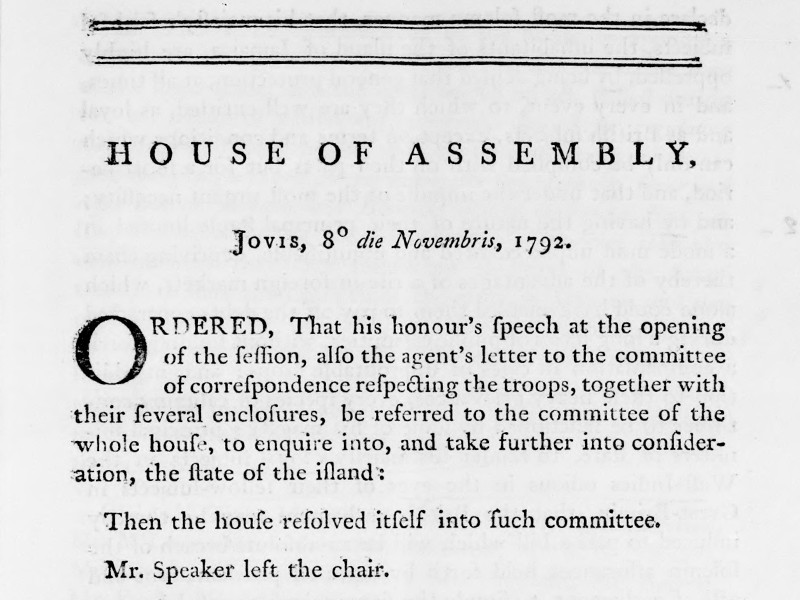
Parliamentary debates on slavery, 1788–1792
This document contains the details of pivotal debates on the future of slavery in the British Parliament and Jamaican House of Assembly.
Licensed to access
Report of the Commissioners on African Settlements: report on the slave trade, 1811
The Commissioners' report covers the latter stages of the slave trade. It discusses concerns relating to how the trade might brought to an end and what the potential aftermath might be.
Licensed to access
Memorials and Petitions relating to America, 1839–1850
Memorials and Petitions issued by the British and Foreign Anti-Slavery Society. These papers contain a marked focus upon the Webster-Ashburton Treaty. The Webster-Ashburton Treaty, signed August 9, 1842, was a treaty that resolved several border issues between the United States and the British North American colonies.
Licensed to access
Samuel Martin Papers, Vol. VIII, 1768–1773
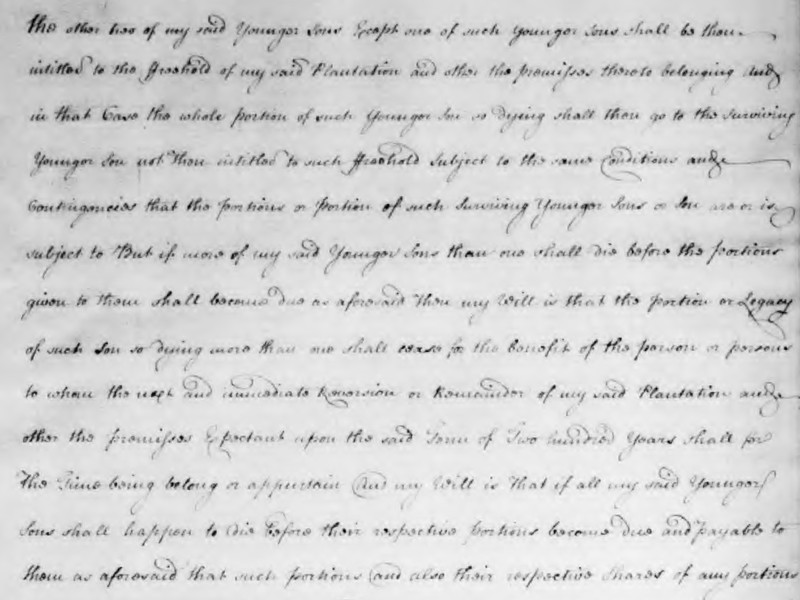
Enslavers strongly opposed the abolition of the slave trade, in part due to their vested financial interest. This document includes an estimated value of Samuel Martin's plantation in Antigua, which gives an insight into the financial aspect of the slave trade.
Insights
Those who derived profit from the slave trade kept detailed records of how their businesses progressed. The records in this collection reveal the roles played by five different businesses involved in plantation ownership and the transportation of enslaved people.
The correspondence in this collection is derived from two different sources. The documents from Lascelles and Maxwell are focussed on trade. The Samuel Martin papers focus on Antigua and Martin’s personal life. This combination of correspondence provides both a personal and a business perspective on the lives of enslavers.
The “Official Reports on the Conclusion of the Slave Trade in Africa” include an assessment of the impact of the slave trade. This assessment is written from an anti-slavery perspective and argues for the abolition of the slave trade. The reports also cover the aftermath of the release of some enslaved people, before concluding with a report on the financial impact of abolition.
The “Anti-Slavery Papers” reveal abolitionists' concerns over some churches' reluctance to denounce the slave trade. These papers also include anti-slavery tracts, minute books, and correspondence. The American Anti-Slavery societies had mixed views on their British counterparts as post-revolution tensions remained and attacks on slavery were sometimes viewed as attacks upon American Independence.
“Jamaican History” includes material on the history of Jamaica, drawn from Edward Long’s papers. Long was best known for his writing and research on Jamaica, which was heavily rooted in proslavery thought. The Long papers include a range of narrative accounts and the research behind these memoirs. This research includes records of parliamentary debates on slavery, statistical data on the sugar trade, papers on the French West Indies, climate data for Jamaica, and a draft of the pro-slavery paper “considerations on the creation of the human race”.
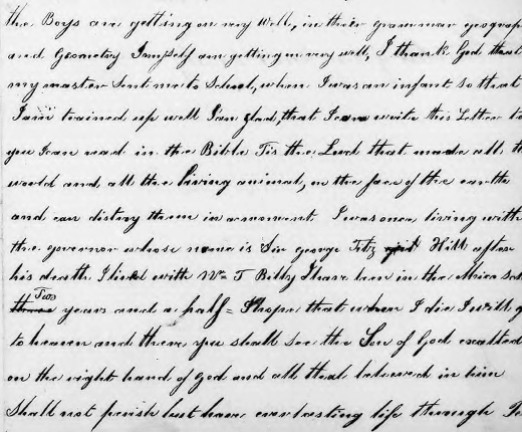
Our latest “Document of the Week” was chosen by our Senior Curator, Mary Wills. It is a letter from William Lore Hill, a graduate of a Mico Charity School in Trinidad, written in 1839.
Read more →