Records of the slave trade from Liverpool Record Office, 1754–1792
By the 1740s Liverpool overtook Bristol and London to become the leading British slave-trading port, whether measured by the number of ships dispatched to Africa or the number of slaves carried across the Atlantic Ocean.
Kenneth Morgan, Brunel University
Access the full collection
Access the full archive of Slave Trade Records from Liverpool, 1754–1792.
Uncover records relating to the business of transatlantic slavery
From the mid-eighteenth century, Liverpool emerged as the dominant British port in the development of Britain’s transatlantic slavery economy. This collection sheds light on this dark, albeit significant and consequential, period of British history by bringing together the papers of prominent figures and institutions connected with the city that were involved in the business of slavery: merchants, slave ship owners and captains, insurance brokers, bankers,as well as other businesses and trades associated with this infamous commercial enterprise.
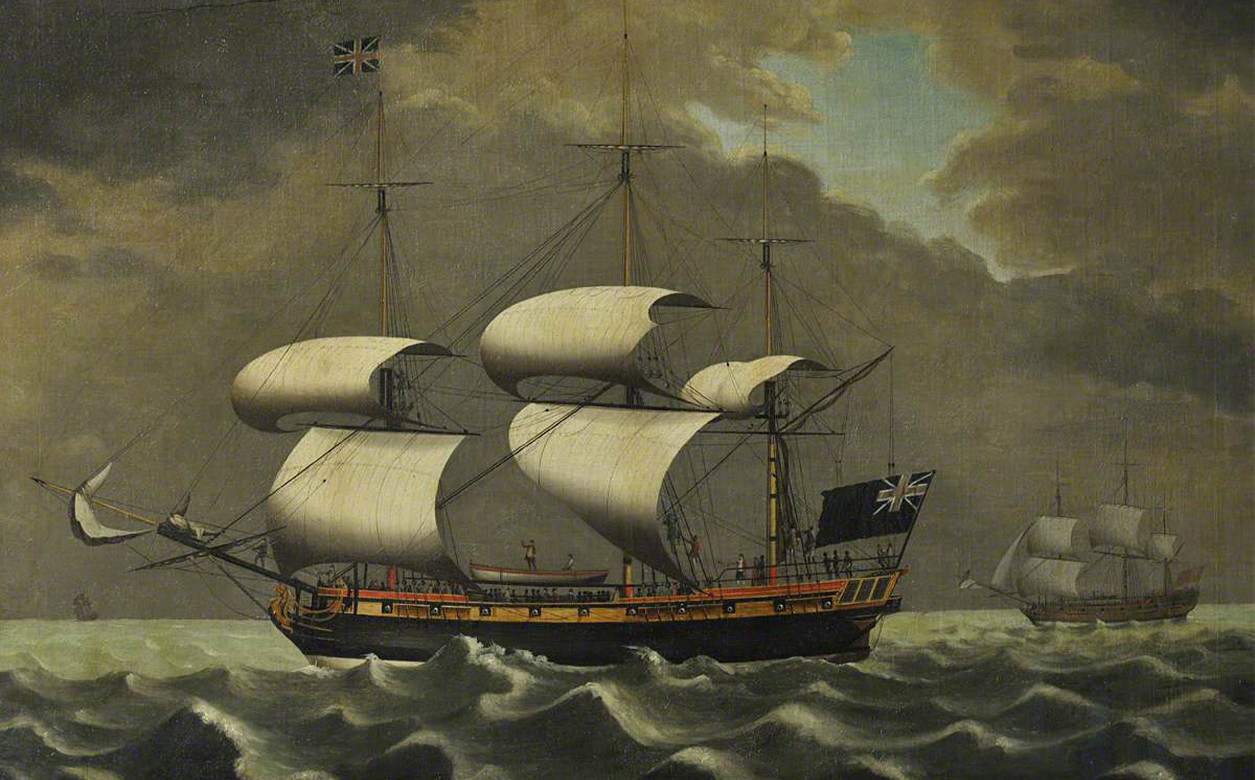
The sources cover many aspects of transatlantic slavery, from the exchange of goods for enslaved people with indigenous merchants on the west coast of Africa, to instructions for slave ship captains navigating the “Middle Passage” across the Atlantic.
The collection likewise supplies detailed information regarding the sale and prices paid for enslaved Africans throughout the Caribbean. There are also accounts of colonial products shipped back to Liverpool.
Slave Trade Records from Liverpool, 1754–1792, provides students, educators, and researchers with key insights into the profit motive that drove this commodification of people.
Content Warning:This collection contains racist or offensive terms. Owing to their historical importance, the sources are in their original state. Please read our Sensitivity Statement for more information.
Contents
Slave Trade Records from Liverpool, 1754–1792...
Records of the slave trade from Liverpool Record Office, 1754–1792
Licensed to access
Account book of the slave ship "Fortune", 1805
This document gives us a sense of the internal economy of a slave ship. It includes instructions to the captain, a list of trades involved in provisioning the ship, details of the sale of 343 enslaved people, and records of the ship’s “expenses on slaves”.
Licensed to access
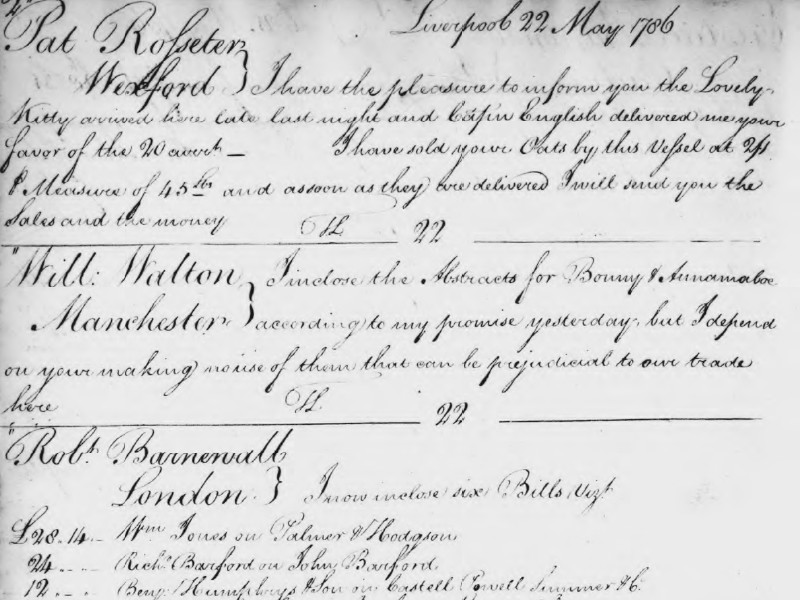
Letter book of Thomas Leyland, 1786–1788
Thomas Leyland was a wealthy merchant that was appointed Mayor of Liverpool three times. His letter book grants insights into his involvement in the slave trade and into his global commodity dealings.
Licensed to access
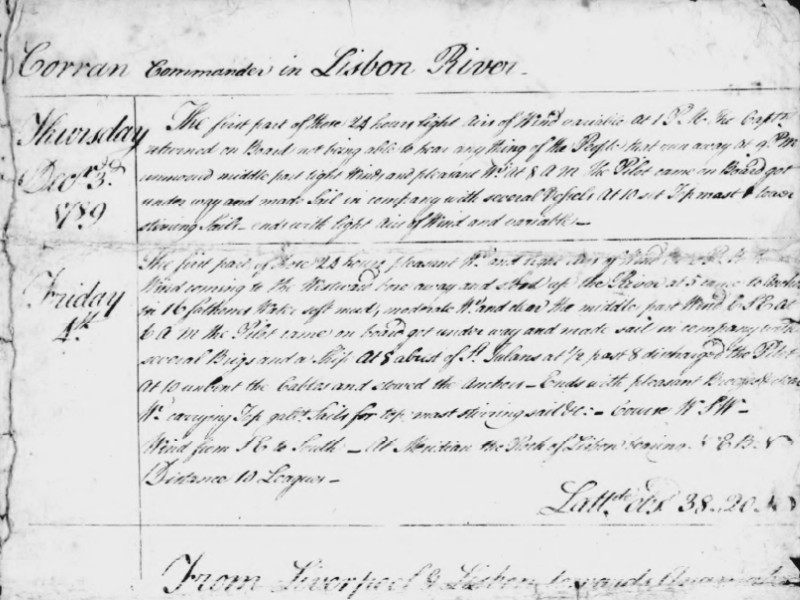
Log of the "Brig Ranger", 1789
This log book offers a microhistory of a slaving voyage between Liverpool, Lisbon, Annamaboe (in present day Ghana), and Jamaica. Amidst more mundane details about the weather and the ship’s progress, it evidences how enslaved Africans were purchased, taken onboard, and sold in Jamaica. The log includes an account of an attempted suicide by an enslaved man onboard.
Licensed to access
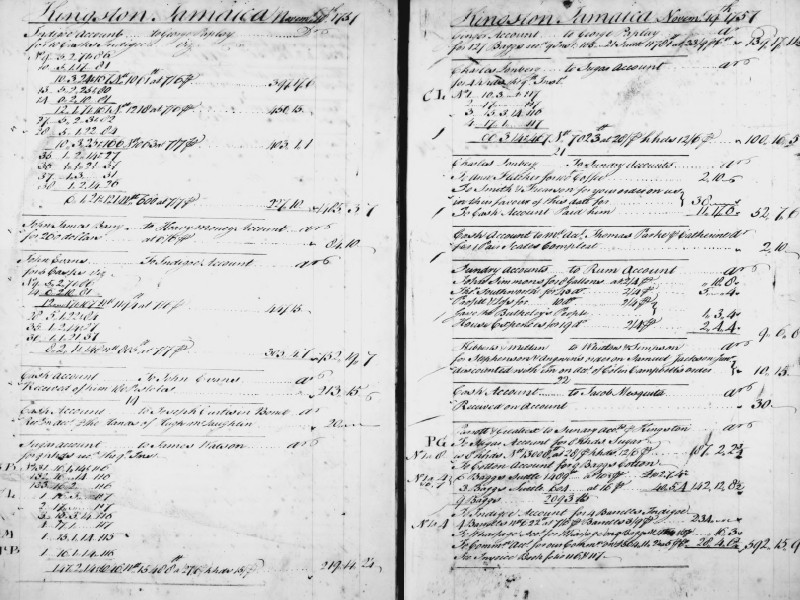
Merchant’s sales journal from Kingston, Jamaica, 1756–1761
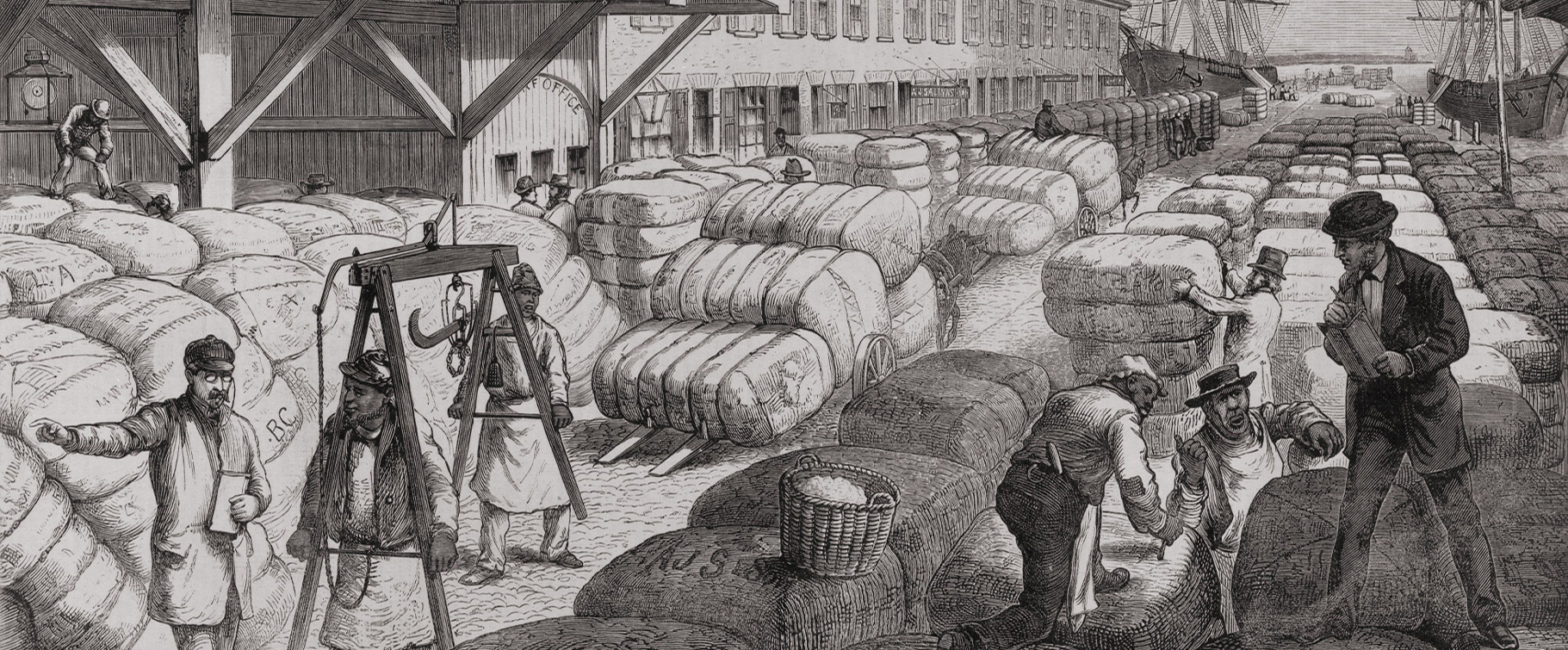
This sales journal—that belonged to the merchant Thomas Case—supplies detailed information about the economics of slavery. The array of daily transactions and bills of exchange relate to sales of enslaved people in Kingston, Jamaica. These transactions also document the import of hardware, textiles, and provisions for plantation life, as well as the export of colonial products cultivated by enslaved labour—ginger, indigo, mahogany, sugar, rum etc.
Insights
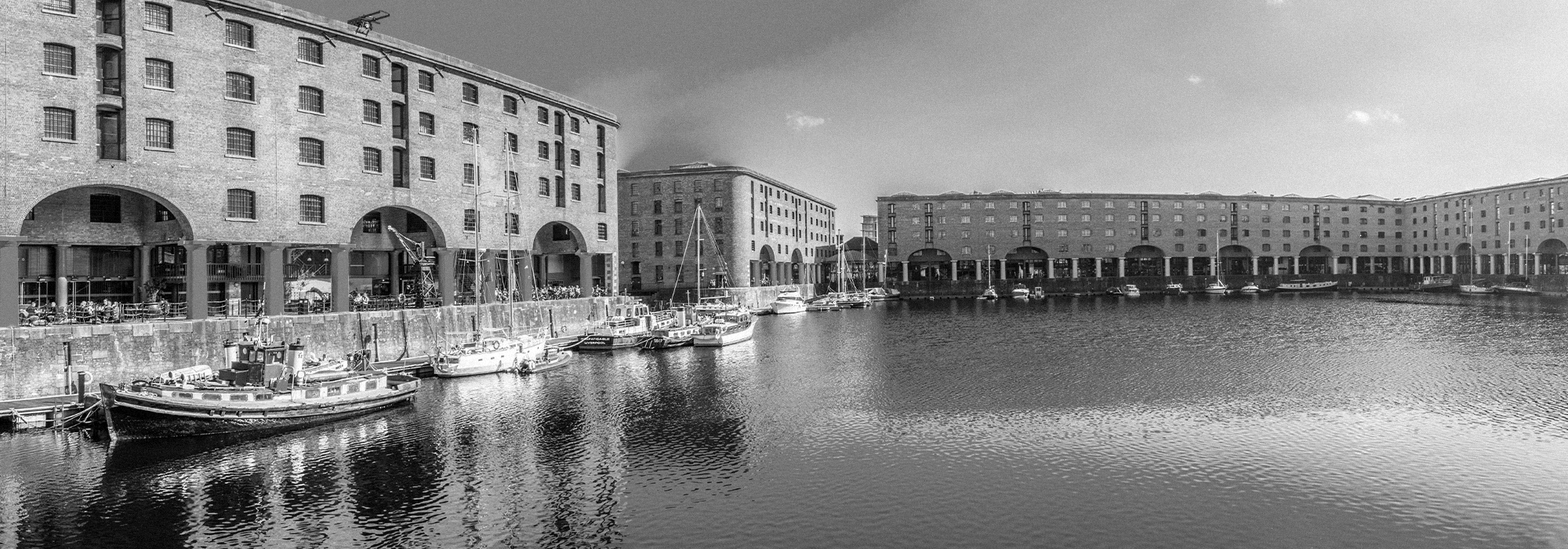
Once a small village, during the mid-seventeenth century Liverpool’s development was catalysed by Britain’s increasing involvement in the lucrative Atlantic slave trade. Situated on the river Mersey, Liverpool was a natural link between Britain and emerging colonial markets.
At the close of the eighteenth century Liverpool accounted for 80% of Britain’s activity in the Atlantic slave trade. According to Kenneth Morgan, throughout this period Liverpool’s ships displaced over one million enslaved people to the “New World”. This valuable collection grants key insights into the city’s development as a major port during the mid to late eighteenth century and how it functioned, economically, on a daily basis.
The documents in this collection evidence the geographically vast, colonial trading networks that those who were involved in the trade of enslaved people operated within and exploited.
This collection documents the growth and logistics of the transatlantic slave trade. Yet it also grants key insights into the development, particularly on the economic front, of Britain’s empire. Indeed, the collection serves as a stark reminder of the way in which slavery underpinned Britain’s colonial expansion.
The collection includes the papers of several merchants—Thomas Case, Nicholas Southworth, Thomas Leyland, and David Tuohy—who were involved in the trade in enslaved people. The papers of James Brown (who mostly traded salt) are also included as a supplement. These documents shed light on the period following the abolition of transatlantic slavery. They likewise highlight how Liverpool was at the centre of a number of vast, lucrative markets.
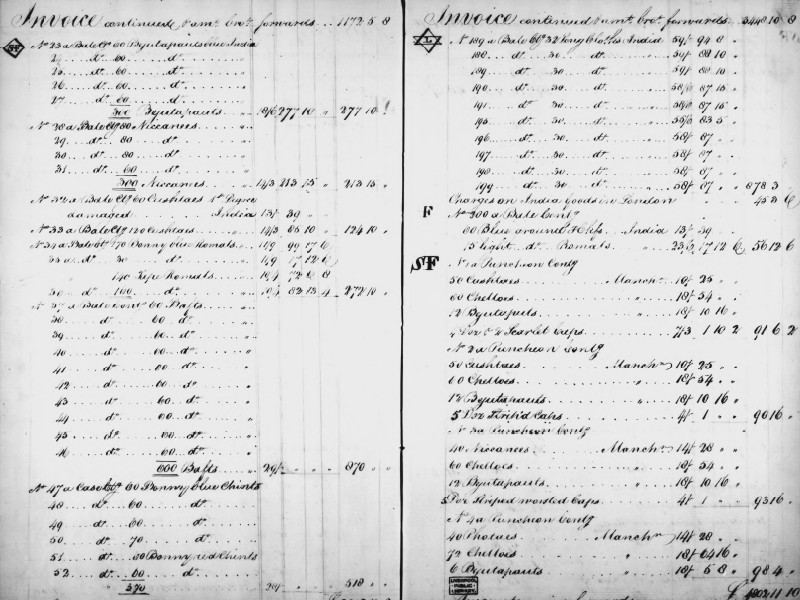
Liverpool Slave Trade Records, 1754–1792 includes a large volume of financial documents — bills of exchange, invoices, accounts, and other financial documentation. It also features a good deal of private correspondence from leading figures involved in the transatlantic slave trade. The dispassionate nature of these documents can be shocking. Yet they remind us that involvement in Britain's West Indian plantation economy was once an acceptable and highly sought after commercial opportunity for investors and merchants.
Over four centuries, an estimated 12–15 million African people were forcibly enslaved and transported from West Africa to the Americas. Their coerced labour was at the heart of a plantation economy that provided vast wealth and global influence for Britain and other nations...
Read more →