Our New Purchasing Scheme is Open! Until 31 July 2026, grab a 20% discount on 20 of our most popular collections! ✕
Bristol Shipping Records: Imports and Exports, 1770–1917
Bristol Presentments, 1770–1917
Shipping was the lifeblood of the Atlantic economy . . . shipping patterns were the arteries through which the merchants and commodities of the North Atlantic trading world were drawn together into an international commercial network.Kenneth Morgan,
Access the full collection
Access the full archive of Bristol Shipping Records: Imports and Exports, 1770–1917.
Institutional Free Trial
Start your free trialRegister for a free 30-day trial of Bristol Shipping Records: Imports and Exports, 1770–1917, for your institution.
Institutional Sales
Visit Sales PagesellFor more information on institutional access, visit our sales page.
Already have a license? Sign in.
Explore Bristol’s maritime success as a major British port
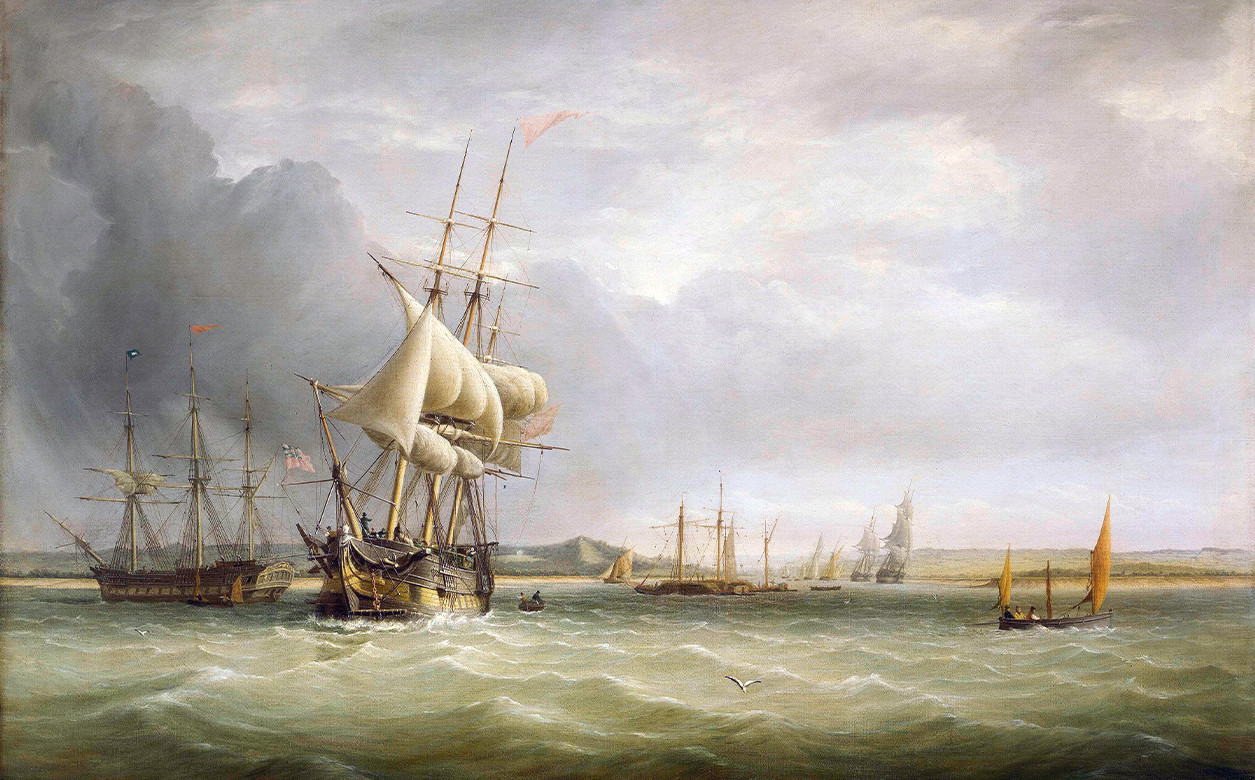
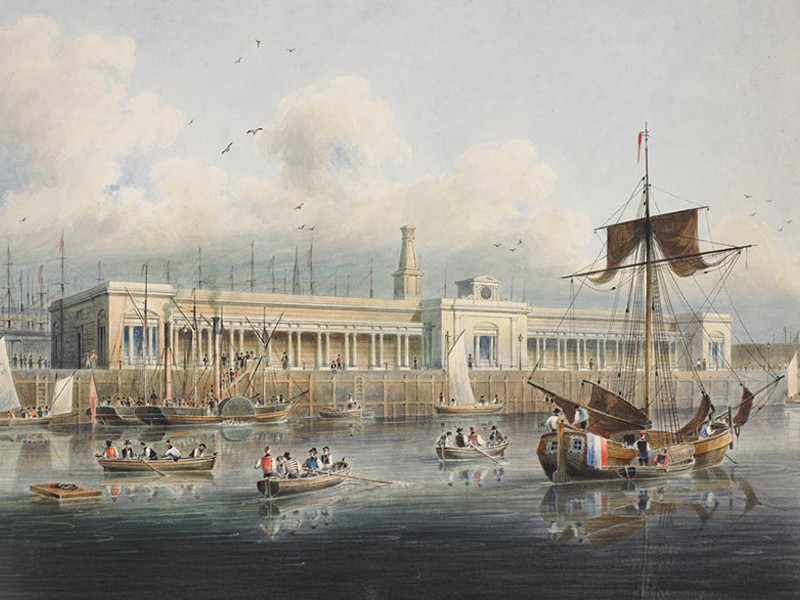
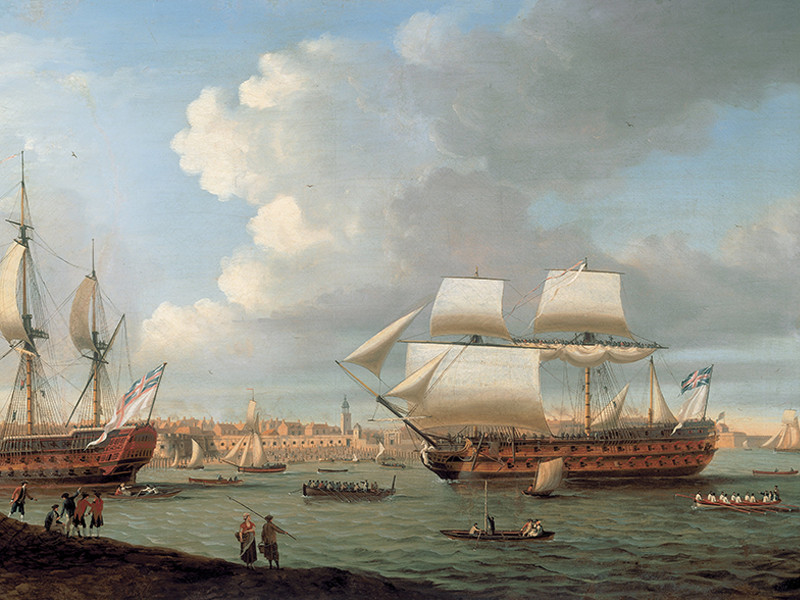
Containing over 28,000 images, Bristol Shipping Records: Imports and Exports, 1770–1917, charts nearly 150 years of merchant shipping to and from the city of Bristol. It contains Bristol Presentments—Bills of Entry derived from the reports and manifests of ships that docked in the city. These documents offer unique insights into British maritime history and the goods traded in Bristol from 1770 to 1917.
The prosperity of the city during this period was built on its maritime success as one of Britain’s major ports. Bristol was heavily involved in various imperial trade networks, including those concerned with cotton, indigo, rice, rum, sugar, and tobacco.
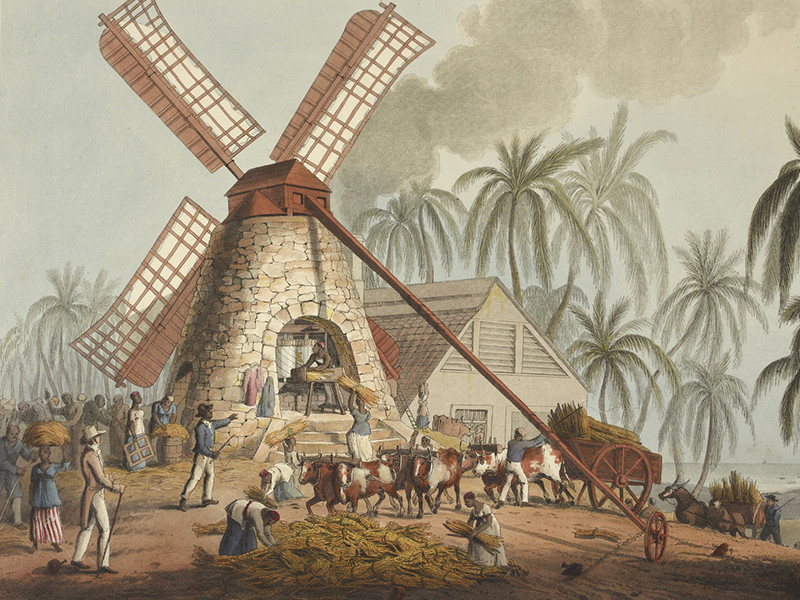
Many of the goods traded in the city were derived from the labour of enslaved people—much of Bristol’s wealth and development relied upon enslavement and this triangular trade. Significantly, the sources in this collection reveal how the city’s economy responded to the gradual abolition of slavery throughout the British empire during the early 1800s.
The collection therefore provides students, educators, and researchers with a comprehensive overview of how Bristol, and the wider economy of the United Kingdom, interacted with and influenced global trade networks throughout much of the modern period.
Contents
Bristol Shipping Records: Imports and Exports, 1770–1917...
Bristol Presentments, 1770–1917
Discover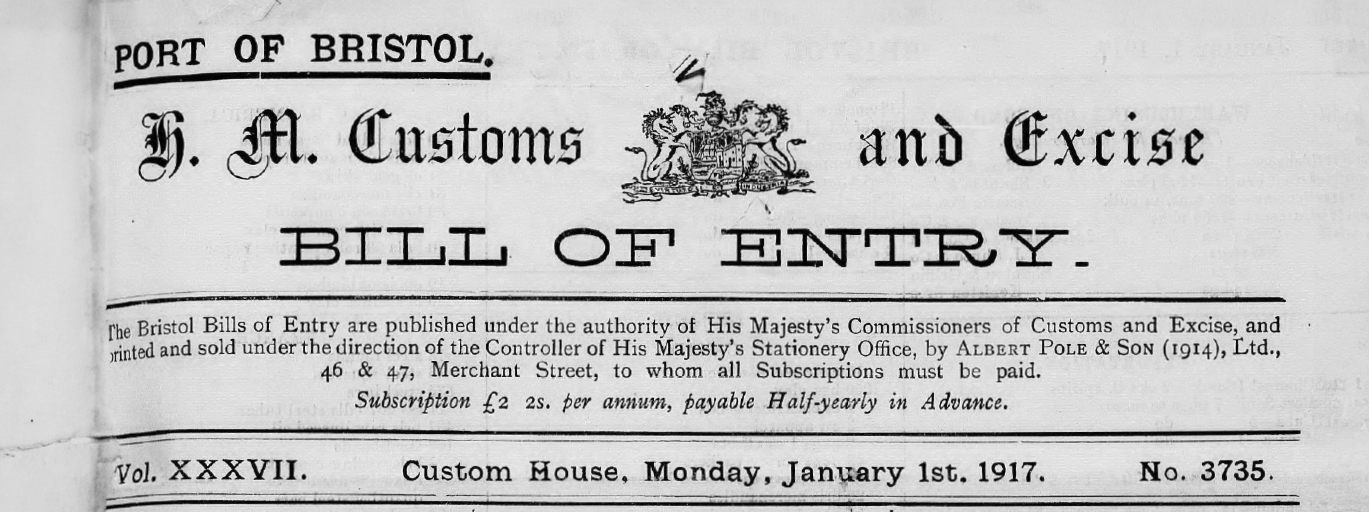
Highlights
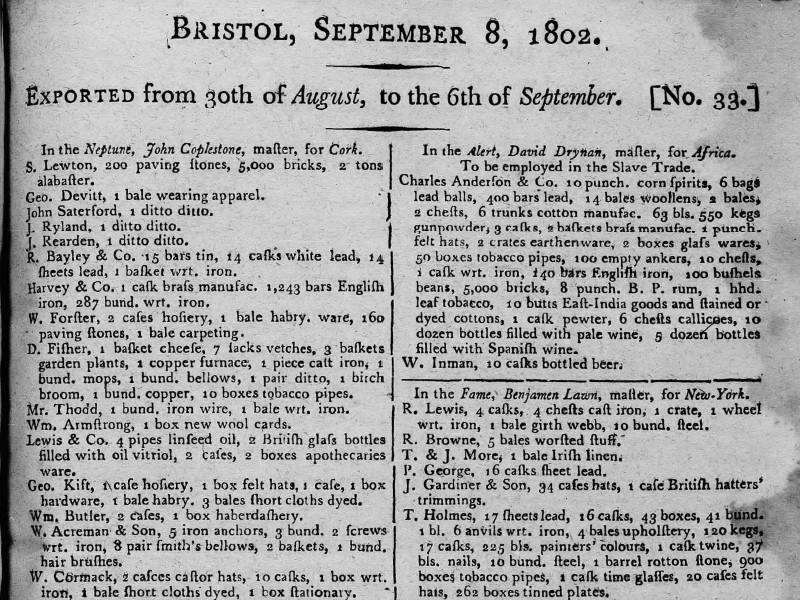
Licensed to access 8 September 1802
This document (image 160) details the contents of the Alert, a slave ship that left Bristol, destined for Africa. The ship's captain, David Drynan, completed several trips in the transatlantic slave trade. Onboard were goods which would have been sold on the West African coast in exchange for enslaved people, including “6 trunks cotton manufac.”, “550 kegs gunpowder”, “50 boxes tobacco pipes”, and “10 butts Eaft-India goods and ftained or dyed cottons”.
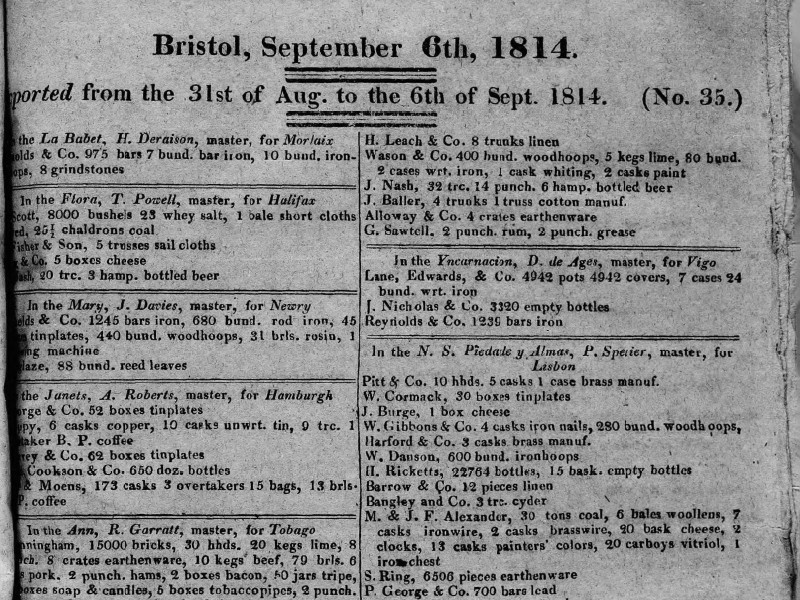
Licensed to access 6 September 1814
This document (image 142) lists three casks of manufactured brass exported by Harford & Co., known as the Bristol Brass & Copper Company. Described by their main competitor as “perhaps the most considerable brass house in all Europe”, the company reached its peak in the late eighteenth century. Alongside domestic buyers, traders in West Africa valued brass and copper goods, making them important to transatlantic slavery. The company was hit hard by the Slave Trade Act (1807), which decimated their largest market.
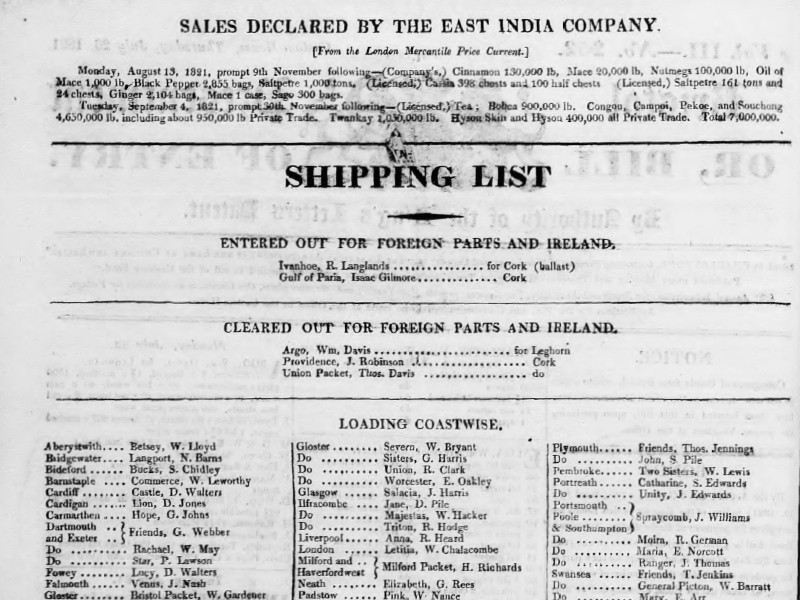
Licensed to access 30 July 1821
Lucrative and undoubtedly exploitative, the spice trade formed a significant component of Britain’s economic development. The East India Company, established in 1600, amassed vast wealth by exporting spices. In Britain, these became essential for cooking, medicine, and preserving. This document (image 120) details “Sales Declared by the East India Company”, which included 130,000 lbs of cinnamon, 100,000 lbs of nutmeg, 20,000 lbs of mace, 2,855 bags of black pepper, and 2,104 bags of ginger.
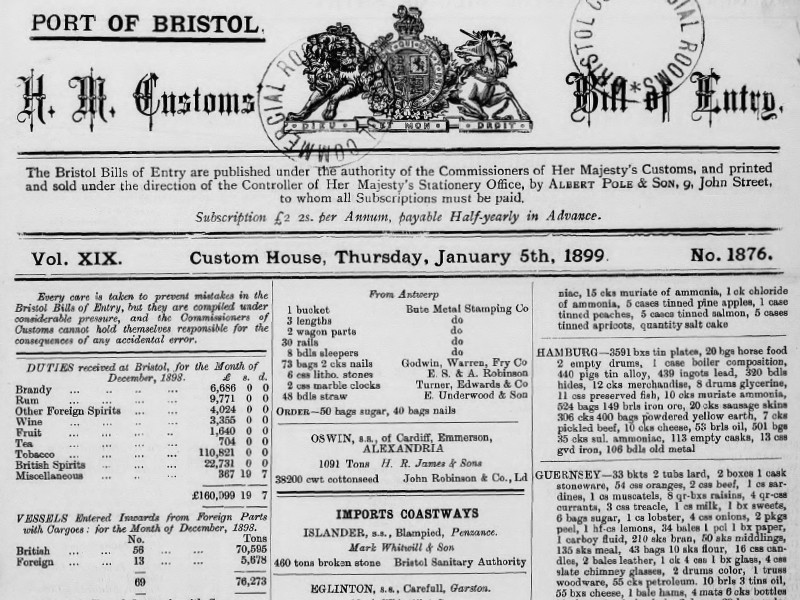
Licensed to access 5 January 1899
W. D. & H. O. Wills, founded in 1786 and based in Bristol, was the first British company to mass-produce cigarettes. The Wills family were known for their philanthropy. They gifted significant quantities of land, money, and property to the University of Bristol, becoming one of the biggest financial supporters of this institution throughout its history. Although the family were not directly involved in the transatlantic slave trade, earlier generations traded tobacco which was cultivated by enslaved people. This document (image 2) lists 100 cases of leaf tobacco imported by the company.
Insights
Presentments are printed records of imports and exports. They were published twice weekly, giving a comprehensive overview of maritime trade in Bristol. The documents contain detailed information, such as the names of ships, their date of arrival and departure, where they had arrived from, and where they were embarked for. These sources likewise list the captain of each vessel, the ship's tonnage, details regarding cargo, and the names of the people and companies associated with each shipment onboard.
The sources in this collection provide a detailed overview of the nature and development of Britain’s trade routes and relationships. They also highlight how trading priorities changed over time, particularly during the industrial revolution when Britain began exporting large volumes of goods manufactured using new technologies and processes. Crucially, the documents also illustrate how Britain’s commercial interests and networks laid the foundations for a vast, global empire.
The documents in this collection detail key imports and exports, many associated with the transatlantic slave trade. For example, sugar and elephant teeth were shipped to Britain from Jamaica; cotton and ginger from Barbados; bacon, lard, and canned meats from New York; and wine, almonds, and vegetable oil from France. Meanwhile, Britain exported tobacco, brandy, and sherry to Africa; coal, books, and paint to Canada; whilst leather and machinery made their way to South America.
In the eighteenth century, Bristol became well known for its thriving industry and entrepreneurial character. The city already boasted blossoming soap, glassware, and pottery industries, as well as a reputation for first-rate shipbuilding. Bristol was also known for its metal industry, especially for the production of brass, copper, iron, lead, and zinc. A rise in transatlantic shipping catalysed Bristol’s economic success. New factories sprung up in the city, designed to process imported colonial produce, which was invariably linked to plantation slavery. As a result, industries such as tobacco processing, sugar refining, distilling, and chocolate-making flourished in the city.
Unlock Historical Research for Your Institution
Provide your students and researchers with direct access to unique primary sources.