Our New Purchasing Scheme is Open! Until 31 July 2026, grab a 20% discount on 20 of our most popular collections! ✕
The East India Company: Corrupt Governance and Cruelty in India, 1806–1814
East India Company papers of the first Earl of Minto, 1806–1814
At its peak, the English East India Company was by far the largest corporation of its kind. It was also larger than several nations. It was essentially the de facto emperor of large portions of India, which was one of the most productive economies in the world at that point.Professor Emily Erikson,
Access the full collection
Access the full archive of The East India Company: Corrupt Governance and Cruelty in India, 1806–1814.
Institutional Free Trial
Start your free trialRegister for a free 30-day trial of The East India Company: Corrupt Governance and Cruelty in India, 1806–1814, for your institution.
Institutional Sales
Visit Sales PagesellFor more information on institutional access, visit our sales page.
Single User License
Purchase a license below to view the full collection.
Already have a license? Sign in.
Explore the consolidation of British colonial rule in India

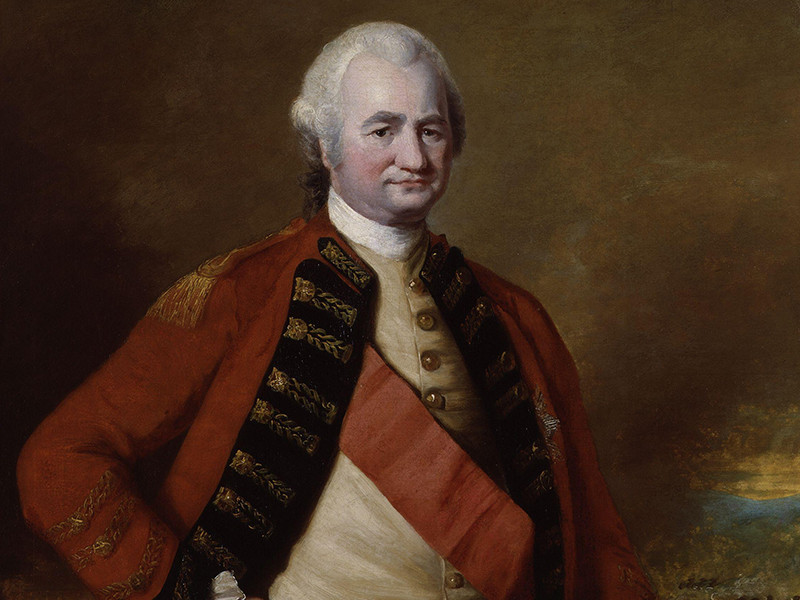
The first Earl of Minto, Sir Gilbert Elliot-Murray-Kynynmound, served as the Governor-General of India from 1807 to 1813. Containing over 130,000 images, this collection is drawn from his personal papers during his time as the premier of the East India Company (EIC). These documents contain extensive correspondence with fellow officials, records from the EIC’s political and secret departments, and files concerning the earl’s time as president of the Board of Control.
The collection offers valuable insights into the upper echelons of the EIC during a period when it was consolidating its influence throughout the Indian subcontinent, having established governance of the wealthy region of Bengal during the late eighteenth century.
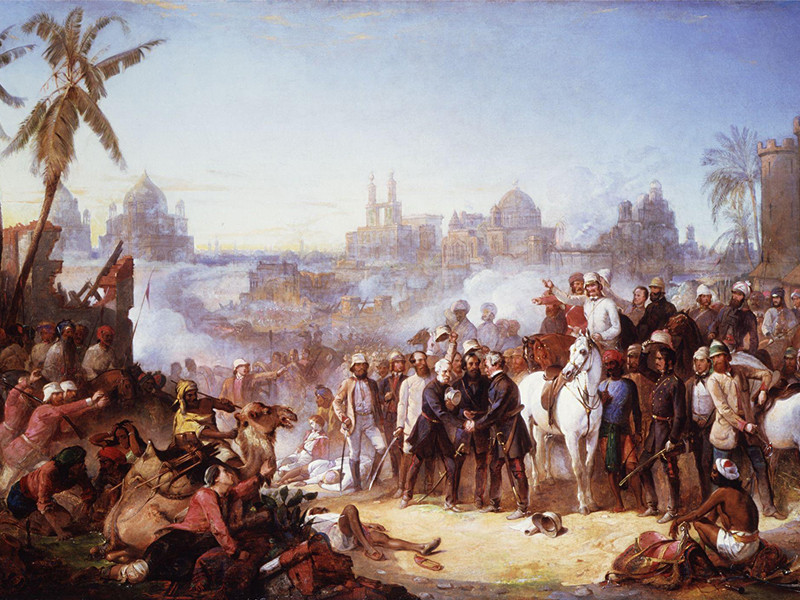
It has long been asserted that the EIC’s governance of India during the early nineteenth century was characterised by corruption, cruelty, and exploitation of the indigenous population. The EIC extracted revenue and its policies are deemed to have exacerbated poverty, famine, and instability, all of which helped spark the Indian Mutiny of 1857–1858. Following the suppression of this uprising, the EIC’s authority in India was seized by Westminster.
This collection is a rich resource for students, educators, and researchers wishing to explore the development and influence of the once powerful EIC, as well as the formation of the British empire. It will also appeal to those interested in the broader histories of Bangladesh, India, and Pakistan.
Contents
The East India Company: Corrupt Governance and Cruelty in India, 1806–1814...
East India Company papers of the first Earl of Minto, 1806–1814
Discover
Highlights
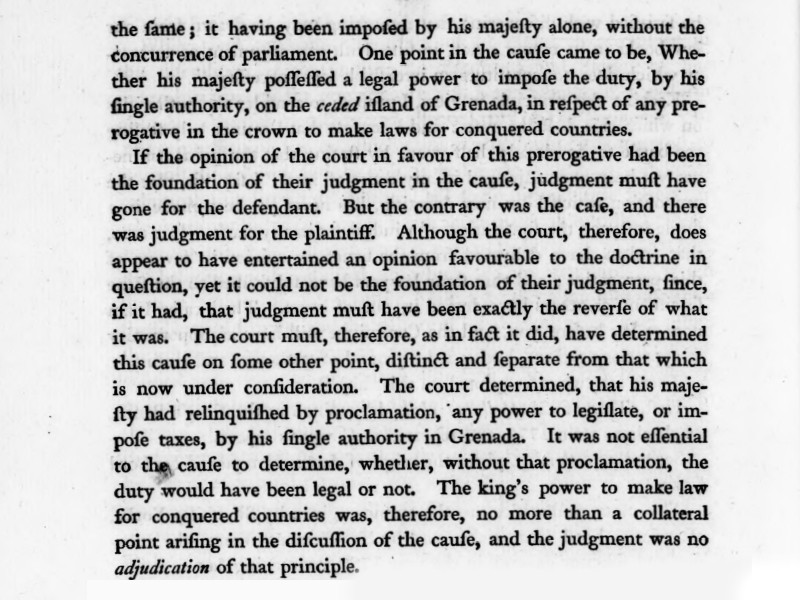
Licensed to access Speech by the First Earl in Support of the Charges Against Impey (1788)
This is a copy of Minto’s speech in support of the First Article of Charge against Sir Elijah Impey in 1788. Impey was tried for judicial murder, after having Nandakumar hanged for forgery during his tenure as chief justice.
Insights
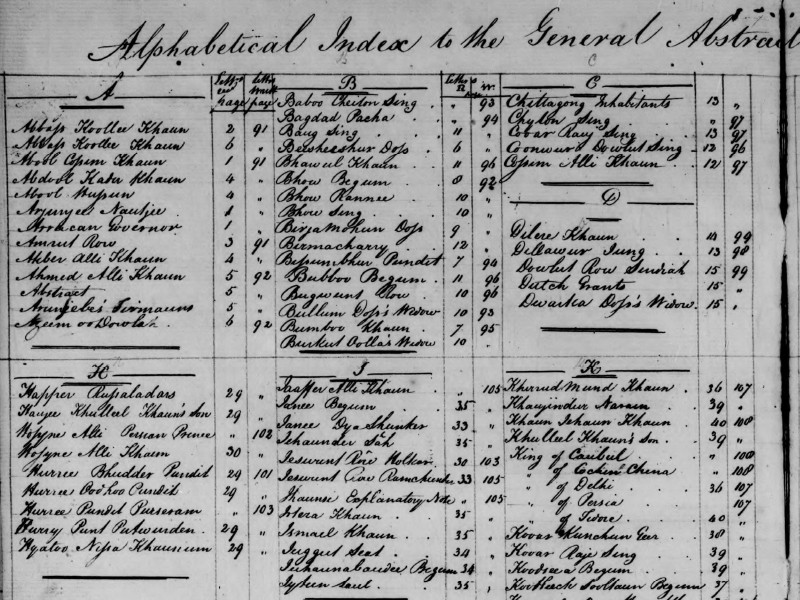
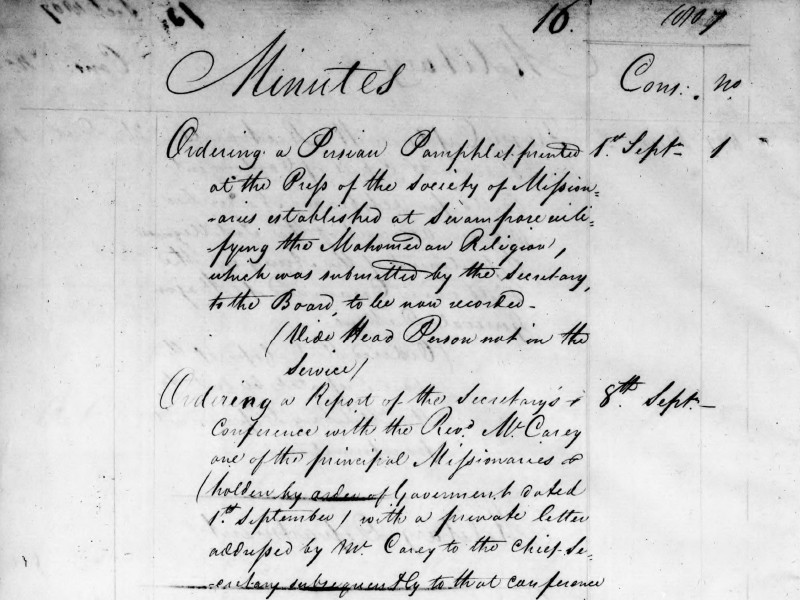
The papers of the EIC’s political department contained in this collection cover the years 1807 to 1813. They include correspondence with the governor-general's agents.
As governor-general of India, Minto oversaw the trial of the first chief justice of Bengal, Sir Elijah Impey. Impey was accused of judicial murder after having a tax collector, Maharaja Nandakumar, hanged. It was suspected that the charge against Nandakumar were false. Thus, Impey was placed on trial. This collection includes the earl’s notes on the Nandakumar trial, alongside notes on alleged corruption and nepotism. The collection also includes copies of Minto’s speeches in relation to Impey’s impeachment.
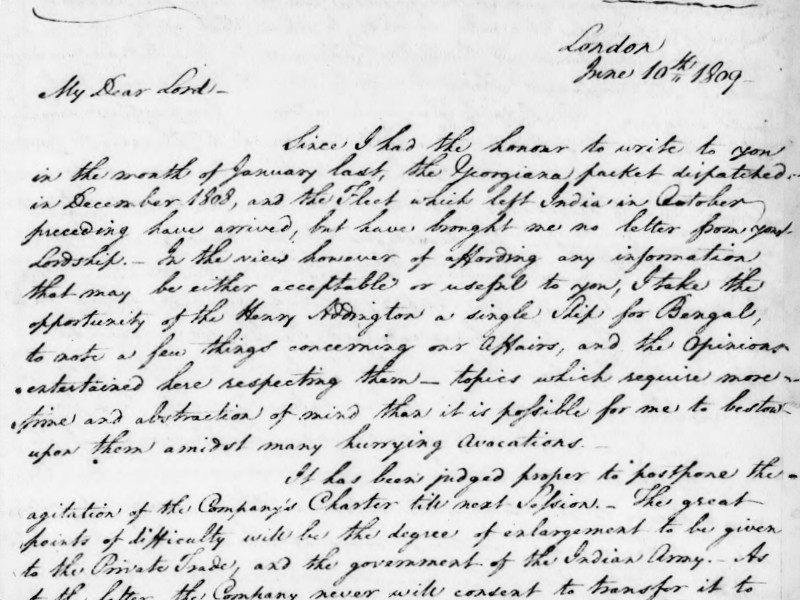
A series of letter books contain the earl’s correspondence with the directors of the EIC. This material grants key insights into the company’s aims and activities. The correspondence covers issues such as army morale, the protection and renewal of the EIC’s trading rights, and disaffection within the Madras army.
The papers of the EIC’s secret department cover the years 1808 to 1813. They contain correspondence concerning relations with France during the Napoleonic Wars.
Unlock Historical Research for Your Institution
Provide your students and researchers with direct access to unique primary sources.
1879-1910_Card_1690882488-800x600.jpg)