The papers of Lord Curzon and the fourth Earl of Minto
This is a period of India's history which illustrates late colonial Indian high politics to dramatic effect, providing researchers with extraordinary insights into the delicate strategies of anti-colonial “agitators”, and colonial governors.
Professor William Gould, University of Leeds.
Access the full collection
Access the full archive of The British Raj: Resistance and Reform in India, 1879–1920.
Explore colonial rule in India and the consequent rise of nationalism
Containing over 43,000 images, The British Raj: Resistance and Reform in India, 1879–1920, comprises diaries, letters, and official papers. The sources relate to two viceroys who acted as representatives of the British monarch in India: Lord George Curzon and the fourth Earl of Minto, Gilbert Elliot-Murray-Kynynmound. Curzon served as viceroy between 1899 and 1905. He was succeeded by the earl, who served until 1910.
The material relating to Curzon illustrates the influential reforms that he enacted during his time as viceroy. Curzon made substantial modifications to the administration and infrastructure of the British Raj. Despite his passion for reform, he remains a controversial figure—it has been asserted that he prioritised British control and influence over the needs and demands of the Indian population. Arguably, one of his most contentious acts was the partition of Bengal in 1905, a measure that exacerbated religious divisions within the region.
The material relating to the fourth Earl of Minto likewise evidences his efforts to maintain British influence throughout India during his time as viceroy. His tenure was characterised by cautious reform, as he sought to address the rising tide of Indian nationalism whilst maintaining British supremacy. The sources in this collection include his diaries and personal correspondence. The collection also includes the diaries of his wife, Lady Mary Caroline Grey. These sources allude to growing anti-British sentiment amongst India’s population during the opening decade of the twentieth century and evidence how the viceroy responded.
The collection is accompanied by an online guide written by Professor WiIliam Gould (University of Leeds).
Content Warning:This collection contains racist or offensive terms. Owing to their historical importance, the sources are in their original state. Please read our Sensitivity Statement for more information.
Contents
The British Raj: Resistance and Reform in India, 1879–1920...
The papers of Lord Curzon and the fourth Earl of Minto
Licensed to access
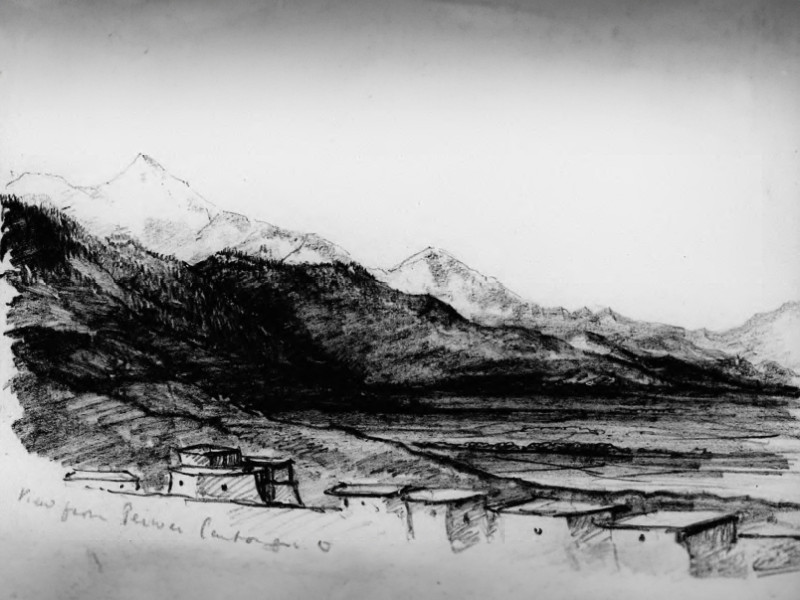
Diary of the Fourth Earl of Minto
This document contains diary entries from the fourth Earl of Minto during his service in the Second Anglo-Afghan War (1878–1880). The diary gives us a sense of his status and details his day-to-day activities. It also evidences his outlook with regard to the Indian population.
Licensed to access
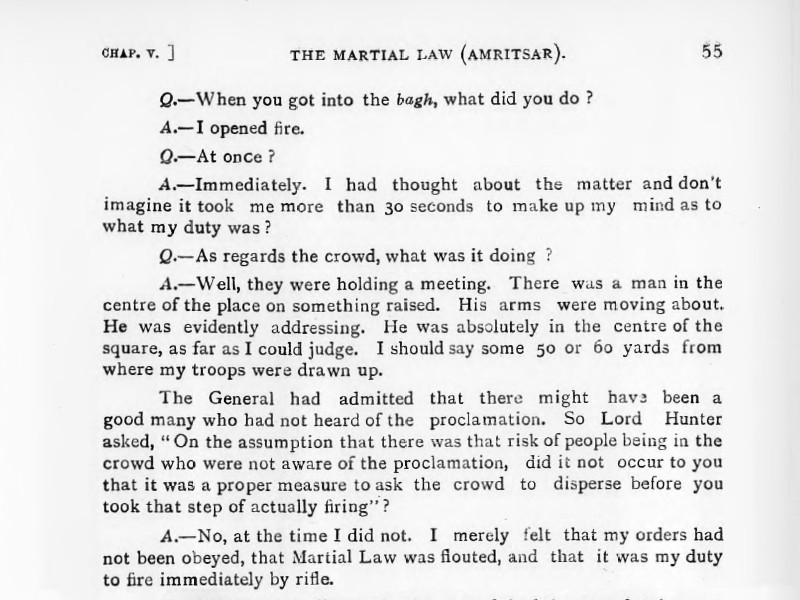
Amritsar Massacre
This document contains the Report of the Commissioners appointed by the Punjab Sub-Committee of the Indian National Congress on the Amritsar massacre. The report includes 650 witness statements, which evidence the course and the brutality of the massacre.
Licensed to access
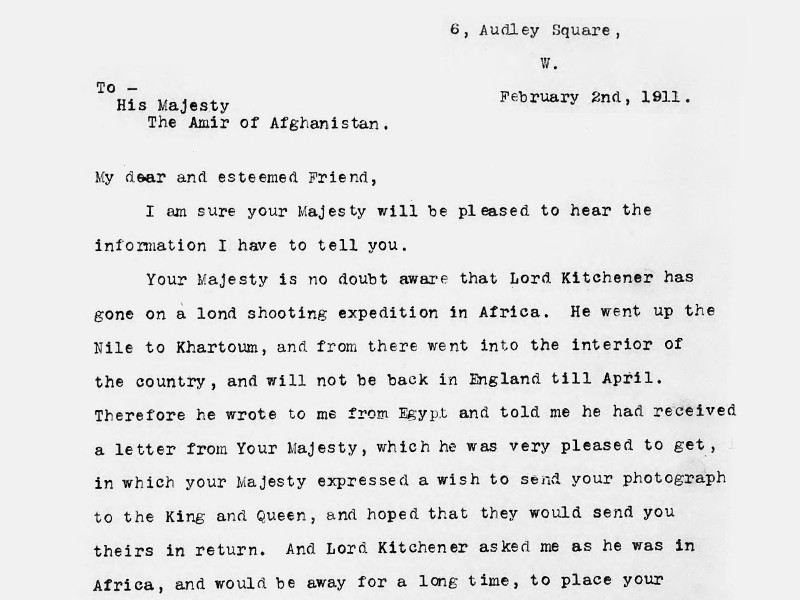
Miscellaneous Correspondence, 1910–1914
This document contains letters from the Amir of Afghanistan and the Dalai Lama in which they express regret at the fourth Earl of Minto’s departure from the role of viceroy in 1910.
Licensed to access
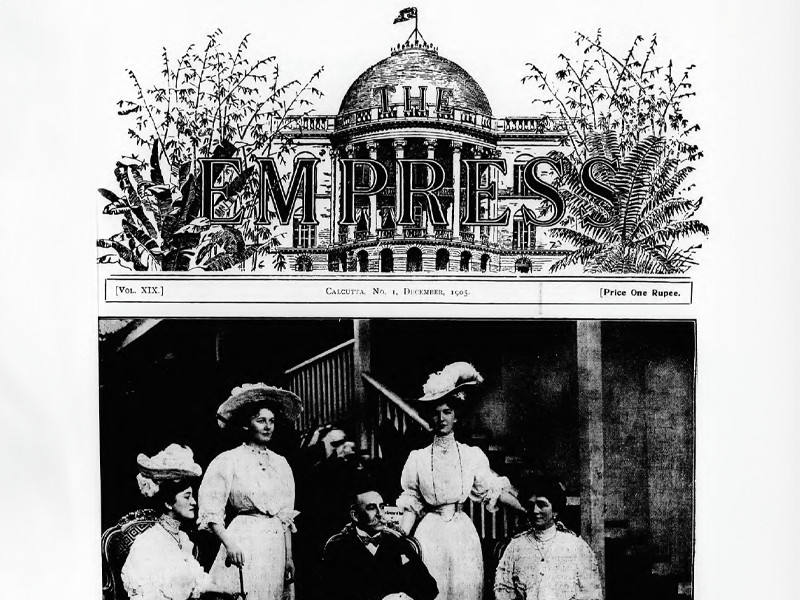
Volumes of Press Cuttings
This document contains a large number of newspaper clippings. They illustrate how the fourth Earl of Minto wished to be portrayed within the public sphere.
Insights
Lord Curzon served as viceroy of India between 1899 and 1905. He was praised by Jawaharlal Nehru, India’s first prime minister, for his restoration of the country’s historical assets. Curzon is remembered for the reform programme that he orchestrated. Yet it has been attested, frequently, that this was geared solely towards the maintenance of British control of India. Thus, this collection illuminates the overarching historical circumstances that precipitated the rise of Indian nationalism.
The fourth Earl of Minto, Gilbert Elliot-Murray-Kynynmound, was named governor-general of Canada in 1898 and appointed viceroy of India in 1905. He retired from this role in 1910. Until his retirement from this position in 1910 he pursued a strategy of cautious reform, remaining dedicated—like Curzon—to the maintenance of British supremacy throughout the continent.
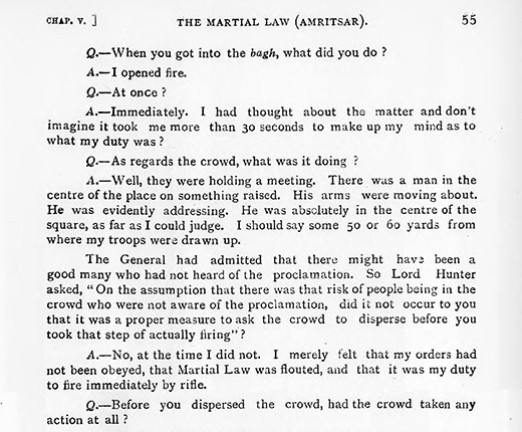
The Amritsar massacre, otherwise known as the Jallianwala Bagh massacre, occurred on 13 April 1919. A large crowd of people gathered to protest at the the arrest of two nationalist activists. Without warning, Brigadier-General Reginald Dyer and his troops blocked the exits and shot at the crowd. This collection includes the Report of the Commissioners appointed by the Punjab Sub-Committee of the Indian National Congress, which collated 650 statements from witnesses. Some historians consider the Amritsar massacre a watershed moment in the history of British rule in India.
The correspondence in this collection between Lord Morley, who was Secretary of State for India, and the fourth Earl of Minto dates from 1907 to 1913. Issues covered include opposition to the Anglo-Russian Entente of 1907 and the question of who should be the next viceroy of India. The two men worked closely, hence the so-called "Morley–Minto Reforms".
The military papers included in this collection provide insights into the activities of the British Army in India. These sources likewise shed light upon the reorganisation of the military that occurred under Lord Curzon.
Our latest “Document of the Week”, chosen by our Editor, Nishah Malik, is an extract from the testimony of General Reginald Dyer, presented in the Report of the Commissioners Appointed by the Punjab Sub-Committee of the Indian National Congress (1919).
Read more →
1879-1910_Hero_1690881581.png)
1879-1910_Asset_1690882421-1255x780.jpg)