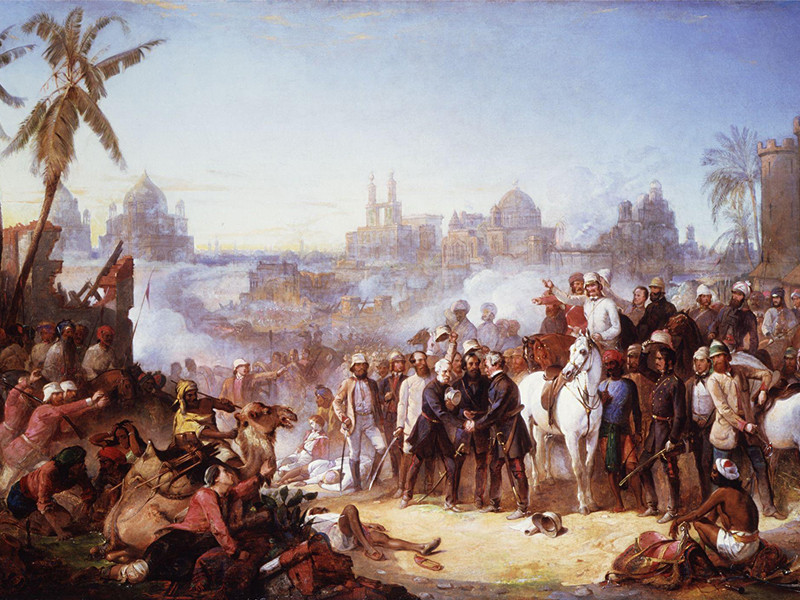
The Indian papers of Colonel Clive and Brigadier-General Carnac, 1752–1774
This collection is of the greatest importance to those who wish fully to explore the often controversial events that preceded, accompanied, and followed the establishment of Britain’s Indian empire during the mid-eighteenth century.
Dr Huw Bowen, Historian.
Access the full collection
Access the full archive of The East India Company: Laying the Foundations for British Colonial Domination of India, 1752–1774.
Register for a free 30-day trial of The East India Company: Laying the Foundations for British Colonial Domination of India, 1752–1774, for your institution.
Learn how India was brought under British colonial rule
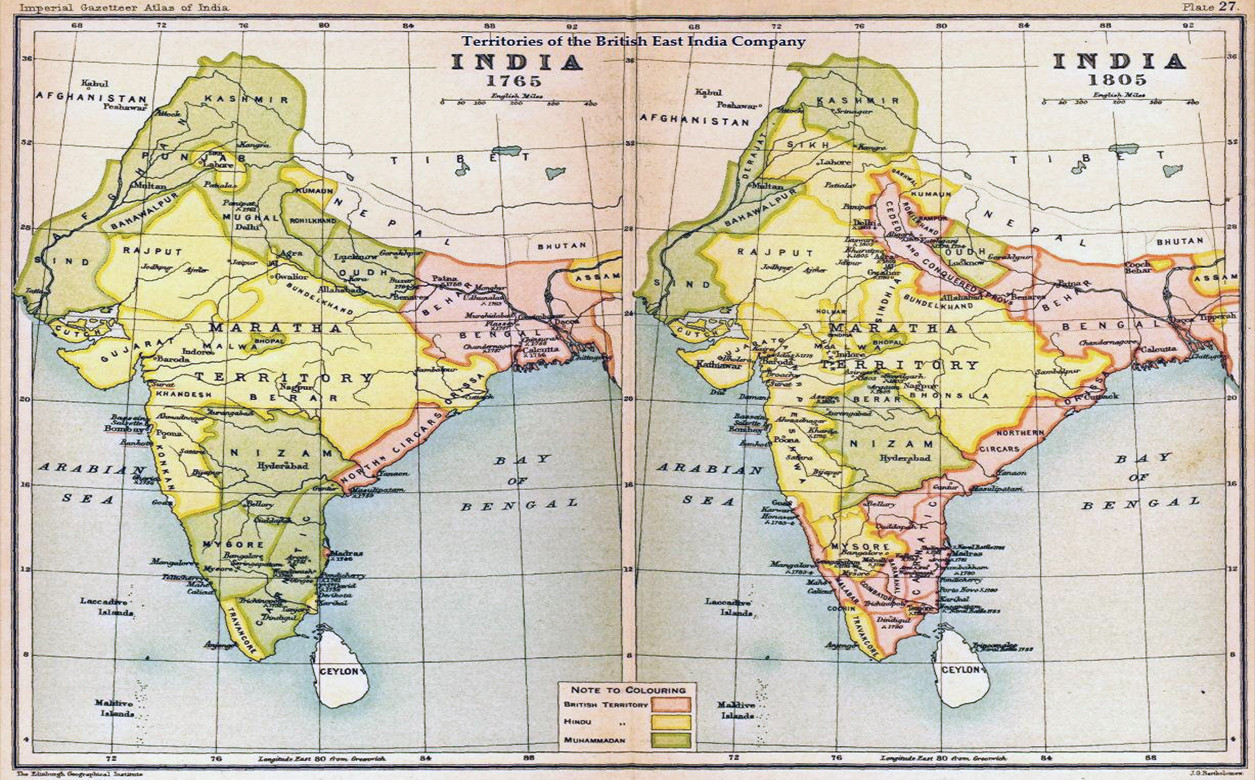
Containing over 24,000 images, this collection is one of several curated by BOA that document British colonial rule in India. The sources show how the burgeoning commercial and political power of the East India Company (EIC) developed into British rule of the Indian subcontinent. Drawing upon the papers of two of its influential personalities, Colonel Robert Clive and Brigadier-General John Carnac, the collection offers insights into the ways in which the EIC became increasingly powerful as a result of the weakening of the Mughal empire during the eighteenth century. The collection covers significant events, such as the “Black Hole of Calcutta” incident that occurred in 1756, the battle of Plassey in 1757, and the British military expedition against the Dutch during 1759.
Clive joined the EIC in Madras in 1743. He was appointed governor of Fort St David in 1755 and subsequently governor of Bengal. Amassing great wealth, he was pivotal in establishing British rule—his victory at Plassey secured Britain a key foothold in India. In 1758, Carnac joined the EIC with the rank of captain and went on to serve as the company’s commander-in-chief. Throughout 1760–1761, he defeated the forces of the Mughal empire. These were backed by the French. He worked in tandem with Clive—military responsibility passed from one to the other. Together, these figures expanded British influence across India. Thus, this collection surveys a crucial transitional period during which the balance of power on the subcontinent was reshaped.
Content Warning:This collection contains racist or offensive terms. Owing to their historical importance, the sources are in their original state. Please read our Sensitivity Statement for more information.
Contents
The East India Company: Laying the Foundations for British Colonial Domination of India, 1752–1774...
The Indian papers of Colonel Clive and Brigadier-General Carnac, 1752–1774
Licensed to access
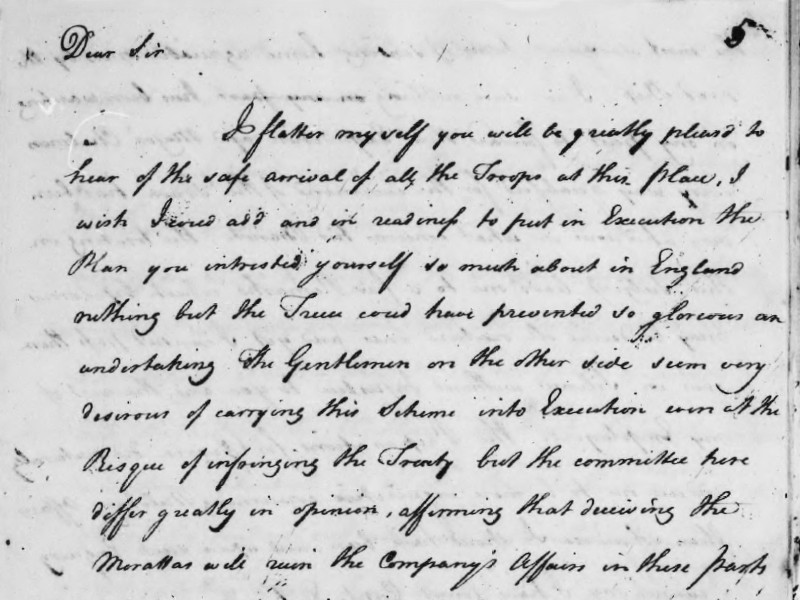
Letter Books of General Letters to Europe and Within India, 1756–1759
This document grants insights into a formative period in British and Indian history. Clive’s correspondence includes reflections upon military campaigns and political developments throughout the subcontinent.
Licensed to access
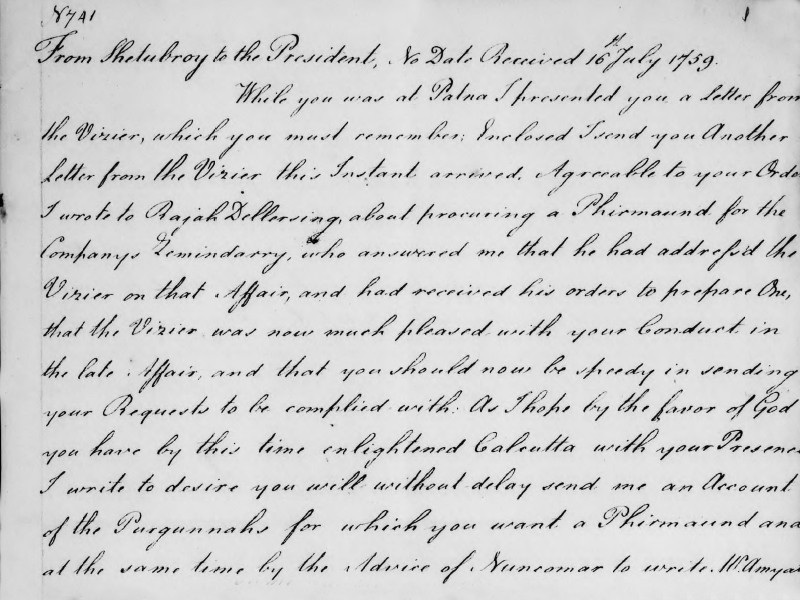
Transcripts of Country Correspondence to be Kept by the Governor [of Bengal], 1759 (2nd Series)
This document sheds a light on the internal affairs of India under the East India Company. Robert Clive, governor of Bengal from 1758–1760 (and again from 1764–67), corresponded with native rulers from other regions.
Licensed to access
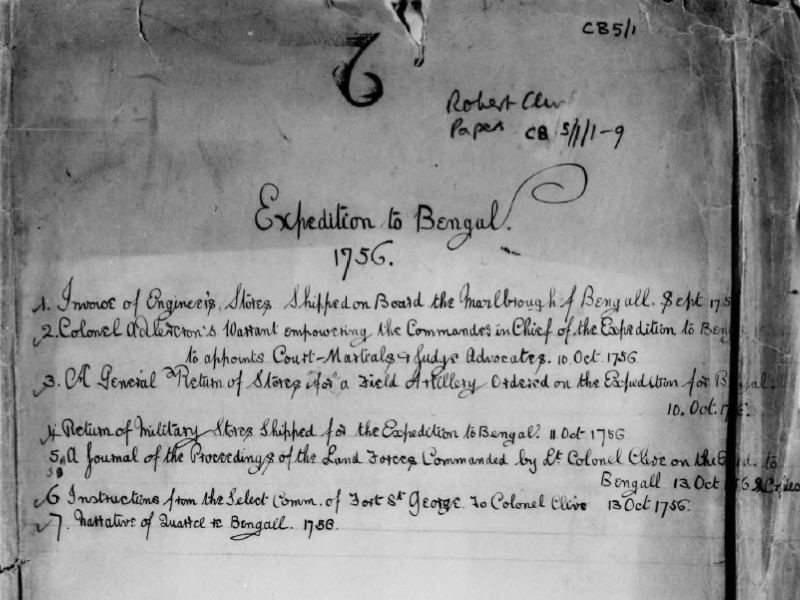
India Military Campaigns, 1756–1764
This document contains plans, reports, and notes relating to military campaigns on behalf of the East India Company.
Licensed to access
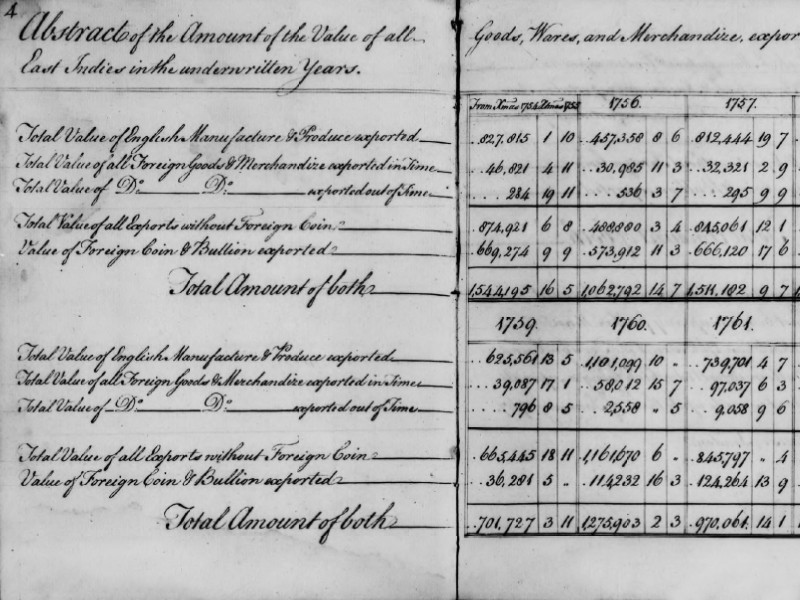
Company Account Books, 1767–1770
These sources evidence how the British gained access to lucrative resources and how they profited from subsequent trade. The account books contain lists of goods and their value.
Insights
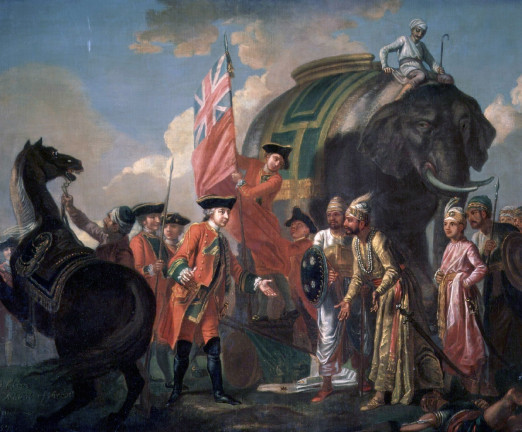
The documents in this collection begin in the year 1757, which saw the pivotal Battle of Plassey. The Mughal forces were defeated by the British under Clive. This allowed him to assume control of Bengal.
Over the next 100 years, the East India Company, acting on behalf of the British Crown, came to dominate the Indian subcontinent. It established a brutal, exploitative regime designed to extract India’s natural wealth.
This collection surveys a crucial, transitional period, one in which men like Robert Clive and John Carnac laid the foundations of British rule in India.
The papers cover Clive’s and Carnac’s military exploits, as well as their terms as governors for the East India Company. Like many of his colonial peers, Clive used his position to amass great personal wealth. He was implicated in the corruption scandals that later engulfed the EIC and subsequently committed suicide. The extent to which Clive’s administration of Bengal contributed to the scale of the famine that the region experienced from 1769–1770 remains a source of debate amongst historians.
The collection also includes papers of a more personal nature penned by Robert Clive. These offer insights into his lifestyle and ruminations. Indeed, they show how he funneled the vast wealth that he accrued in India to Britain by building and expanding his country estates.
In 1858, large swathes of the Indian subcontinent were officially subjugated under the British Crown and became known as the British Raj (translating literally in Hindi to ‘British Rule’). This was the culmination of many decades of British encroachment on the territories of the native Mughal and Maratha Empires in...
Read more →



1879-1910_Card_1690882488-800x600.jpg)