The East India Company: Laying the Foundations for British Colonial Domination of India, 1752–1774 - Resources

  • Home
  • Collections
  • The East India Company: Laying the Foundations for British Colonial Domination of India, 1752–1774
lock_open

Unlock Historical Research for Your Institution

Provide your students and researchers with direct access to unique primary sources.

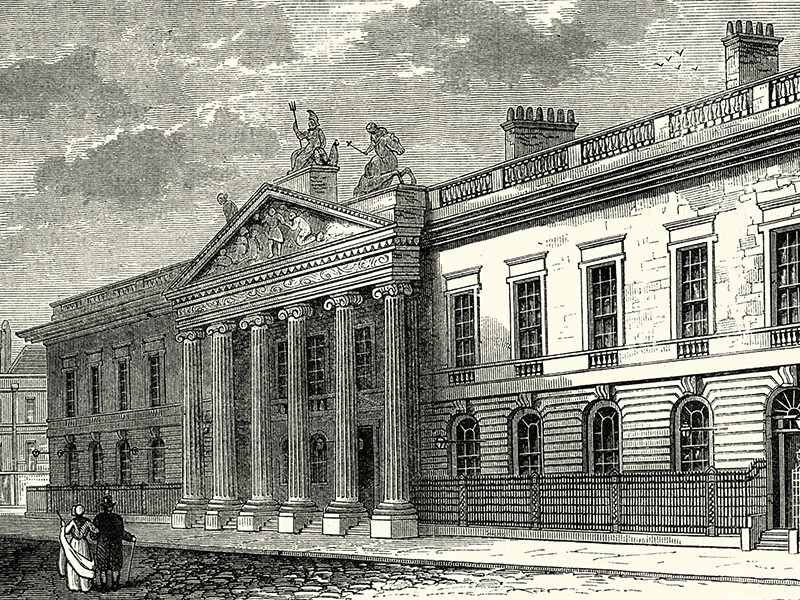
Vintage engraving of Old India Office, London, 19th Century. East India House was the London headquarters of the East India Company, from which much of British India was governed until the British government took control of the Company's possessions in India in 1858. It was located in Leadenhall Street in the City of London.

Licensed to access The East India Company: Corrupt Governance and Cruelty in India, 1806–1814

1806   1814
National Library of Scotland logo
Lord and Lady Curzon on an Elephant.

Licensed to access The British Raj: Resistance and Reform in India, 1879–1920

1879   1910
National Library of Scotland logo
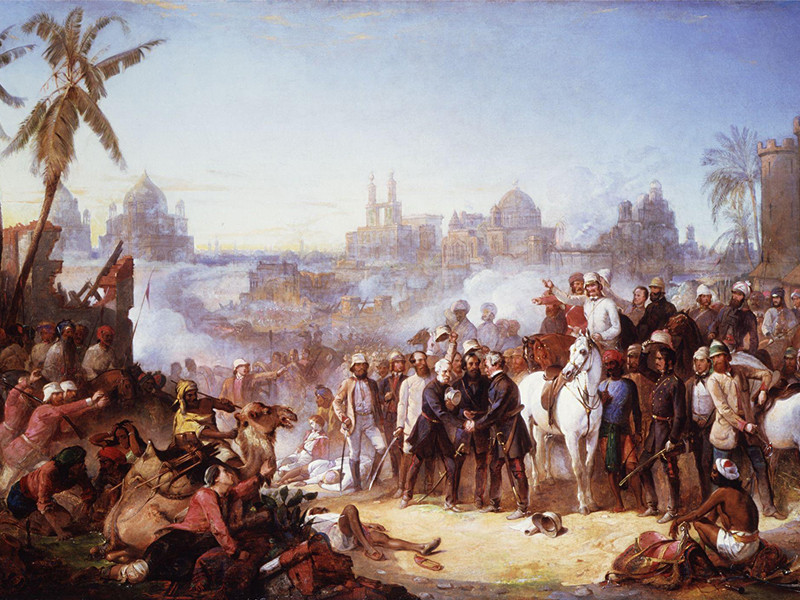
An image of the painting The Relief of Lucknow, by Thomas Jones Barker. The siege of Lucknow was the prolonged defence of the British Residency within the city of Lucknow from rebel sepoys during the Indian Rebellion of 1857.

Licensed to access World News in Indian Newspapers, 1782–1908

1782   1908
India Office Library (c/o British Library) logo
An image of lots of Communist flags, held up by a group of people.

Licensed to access Indian Communists and Trade Unionists on Trial: The Meerut Conspiracy, 1929–1933

1929   1933
People's History Museum logo
Our Lady of Immaculate Conception Church, Goa, pictured with palm trees.

Licensed to access Indian and Sri Lankan Records from Colonial Missionaries, 1770–1931

1770   1931
Bodleian Library logo
Back to Top