Explore the social and cultural transformations of the twentieth century, through the lens of British high society
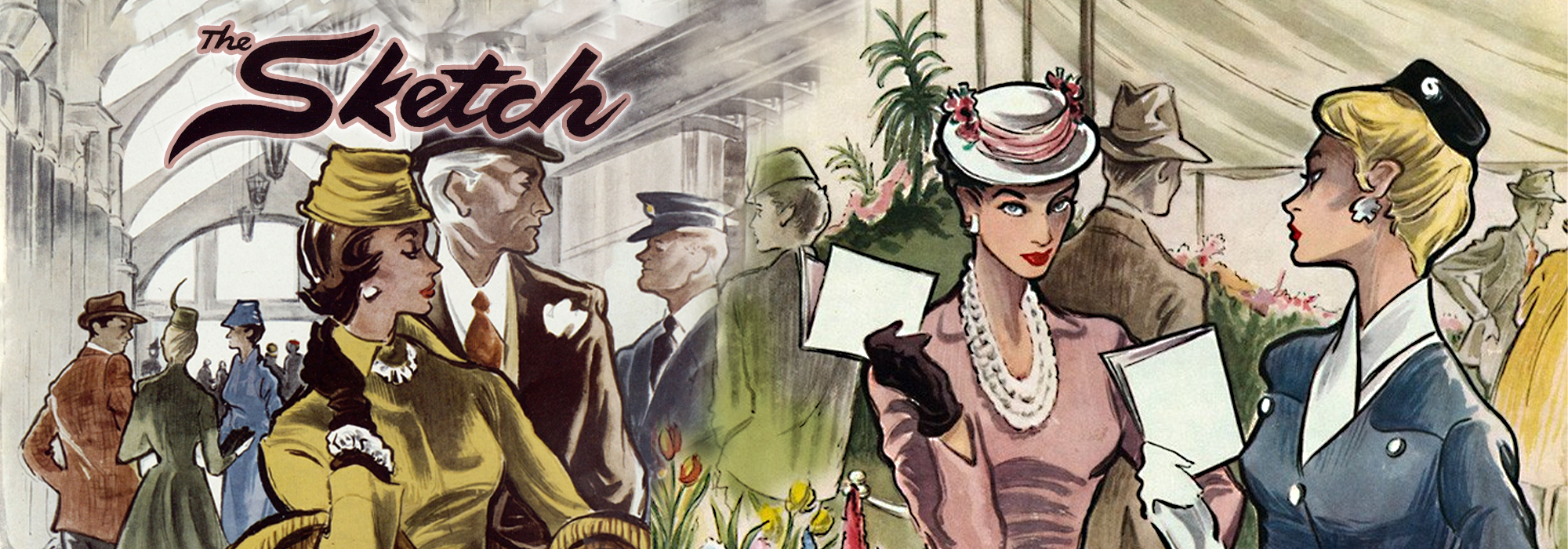
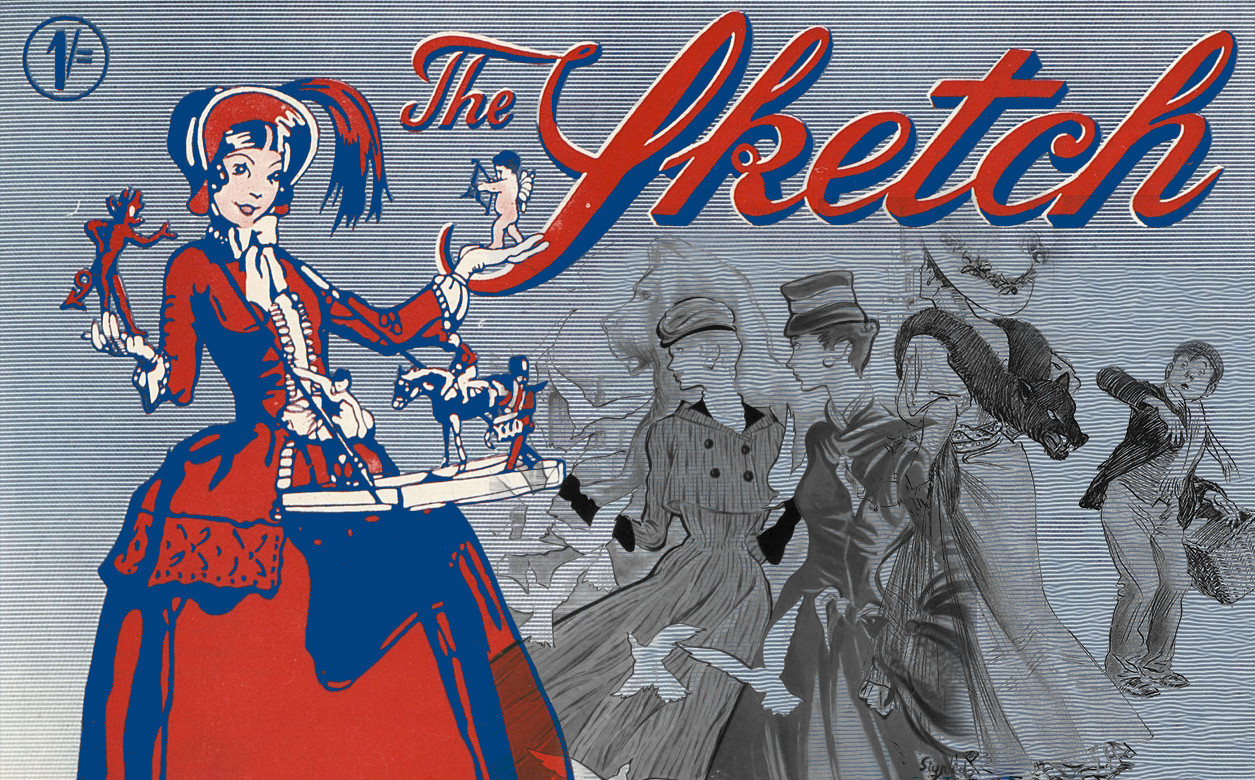
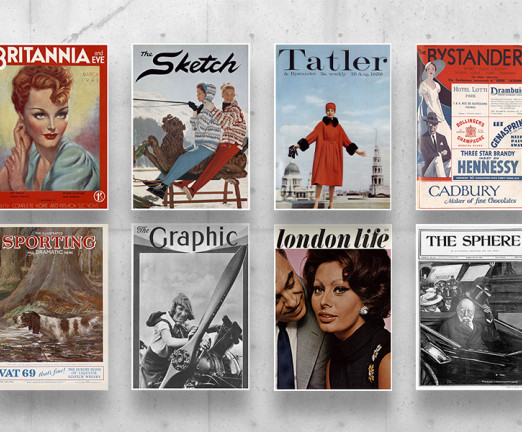
First published in 1893, The Sketch belonged to a series of periodicals under the ownership of The Illustrated London News (ILN). Clement Shorter and William Ingram (former editor and managing director, respectively, of the ILN) established the magazine, which centred primarily on British high society and attracted a wealthy audience. Replete with photographs and illustrations, and featuring contributions on fashion, literature, and gossip, The Sketch provided extensive coverage of aristocratic and celebrity culture for nearly seven decades. Generally, it adopted a light-hearted tone. This collection contains almost 170,000 images from approximately 3,500 issues of The Sketch, published between May 1893 and December 1958.
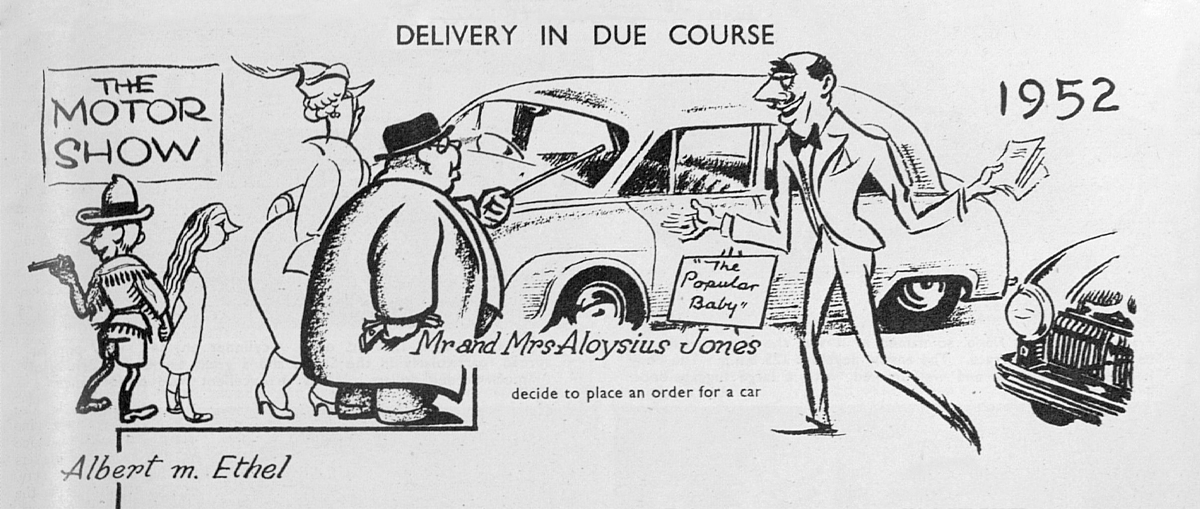
Over the course of its existence, it printed the work of many eminent artists, including the renowned watercolourist Helen Allingham, celebrated crime novelist Agatha Christie, and George E. Studdy,creator of the famous "Bonzo the Dog" cartoons. Nevertheless, as with several other publications owned by the ILN during this period (notably The Sphere, 1900-1964 and The Bystander, 1903-1940), The Sketch remained a staunch defender of Britain’s imperial project, and often reflected the racist and xenophobic attitudes widely prevalent in Britain during these years. Therefore, whilst this collection provides useful material for those studying and researching the history of art, literature, and print culture, it also sheds light on the history of imperialism, colonialism, and slavery, and their representation within Britain’s most affluent circles.
Contents
The Sketch, 1893–1958...
The sole purpose of The Sketch is to pleasantly occupy a few minutes otherwise tedious. Should it amuse, we shall rest content
Licensed to access
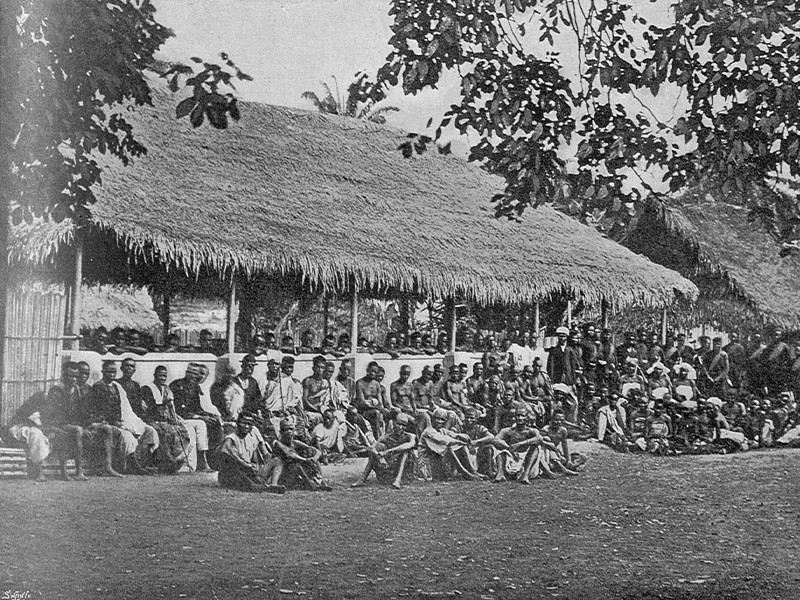
"The Slave Raiding in West Africa"
7th March 1894:
Adopting a markedly casual attitude towards slavery, this piece (image 3) reports on the persistence of slave trading in the Lagos Colony (now Nigeria). As historian Kristin Mann indicates, the British authorities did little to dismantle the institution of slavery in the colony, which continued into the twentieth century.
Licensed to access
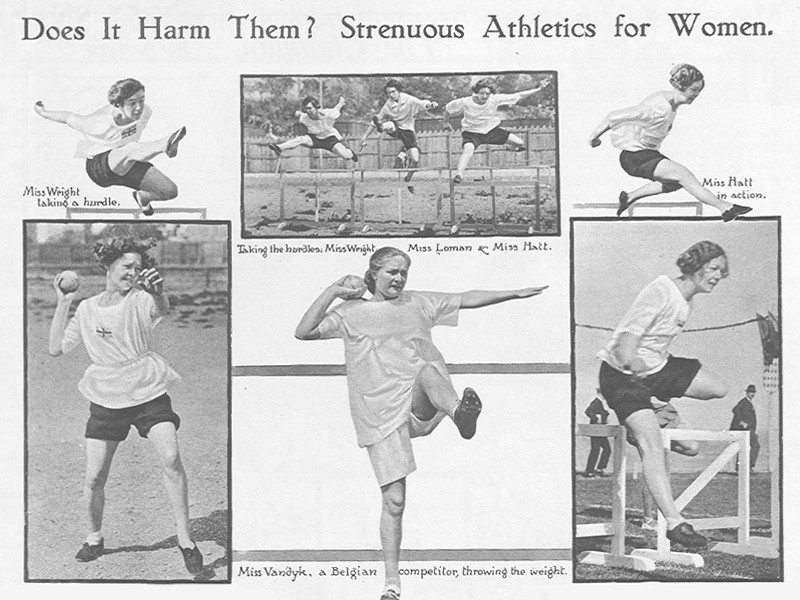
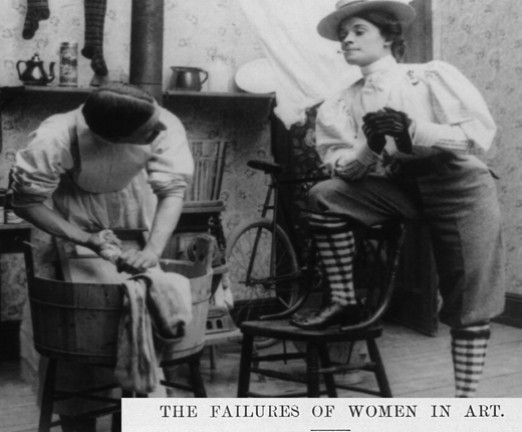
"Does it Harm Them? Strenuous Exercise for Women"
26th April 1922:
Featuring female athletes from around the world, this article (image 11) describes a survey issued to doctors, asking their opinion on the effects of strenuous exercise for women. This highlights social attitudes towards women by, for example, taking into account women’s marital status.
Licensed to access
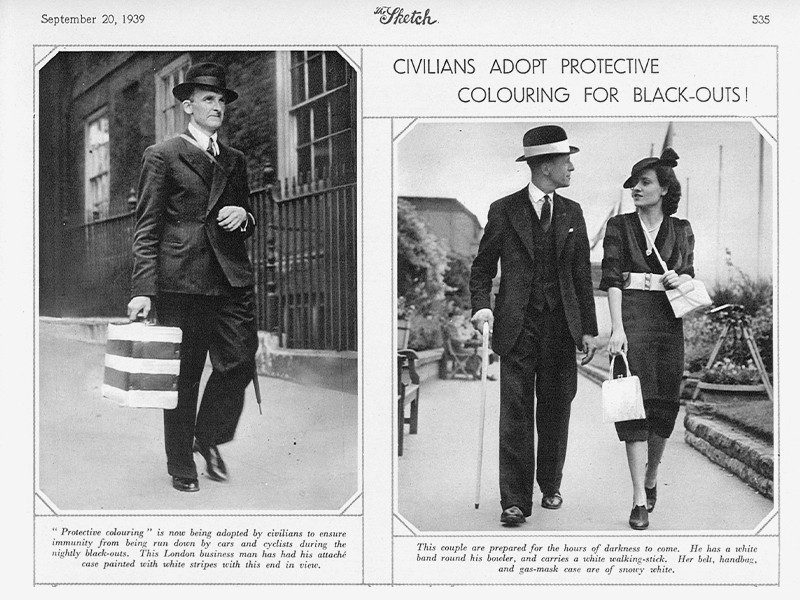
"Civilians Adopt Protective Colouring for Black-Outs"
20th September 1939:
Capturing the everyday life of civilians during wartime, this fashion spread (image 23) shows how both men and women adapted their clothing to protect themselves from traffic during blackouts.
Licensed to access
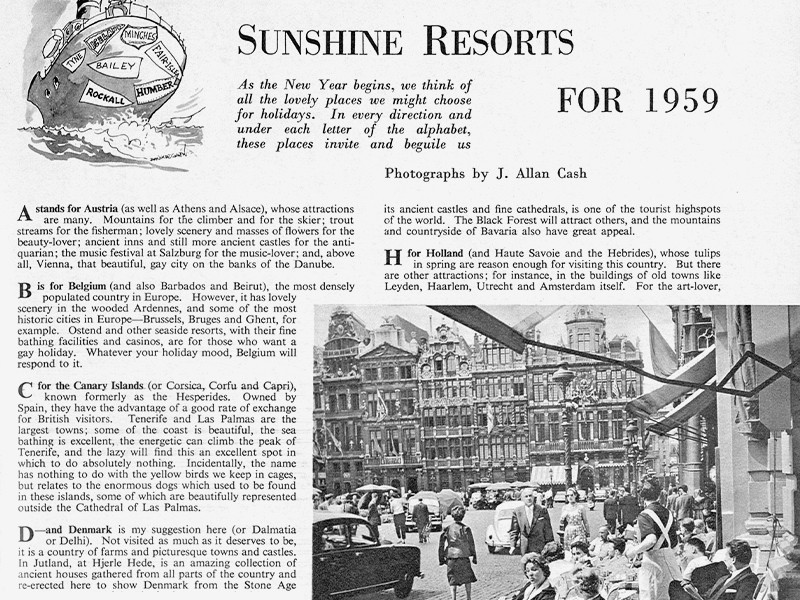
"Sunshine Resorts"
31st December 1958
An increase in personal prosperity in the mid-century brought with it an increase in demand for foreign holidays. This article (images 19-22) provides an A to Z guide of "all the lovely places we might choose for holidays", from the traditional to the unconventional.
Insights
Despite its whimsical nature, The Sketch endeavoured to keep its readers abreast of current affairs, albeit from a conservative (and often racist) perspective. Specifically, its "our own country" column was dedicated to light-hearted domestic news, whilst "In the Great World" concentrated on significant events abroad.
The Sketch was decidedly pro-establishment, supporting both monarchy and empire. It recounted stories from Britain’s colonies in a regular segment revealingly titled "On Which the Sun Never Sets", including uncritical reports of both slavery and the slave trade in West Africa in the late nineteenth century. As economist John Maynard Keynes wrote in 1920, "the projects and politics of militarism, of racial and cultural rivalries, of monopolies, restrictions, and exclusions…were little more than the amusements of [a Londoner’s] daily newspaper".
Early editions of The Sketch featured "Women’s Pages", informing upper-class women about the latest trends in fashion. During the First World War, the periodical gained a larger female readership and, as a result, it sought to expand its appeal to (primarily wealthy) women by including pages on fashion and leisure throughout.
Like the other titles in British Illustrated Periodicals, 1869-1970, this publication traces the social and cultural transformations that occurred in Britain during the nineteenth and twentieth centuries. In particular, it demonstrates how the role of women in British society changed considerably during these years, highlighting – among other things – the entry of women into the workforce during wartime.
The Sketch provided a platform for some of the most popular literary and artistic movements in Britain. For instance, it published the first short stories by writers Walter de la Mare and Agatha Christie, and featured the first appearance of George E. Studdy’s "Bonzo the Dog" cartoon character (later of international fame). The Sketch also printed theatre and literary reviews, including recurring pieces such as "The Literary Lounger" and "Novel in a Nutshell".
The hundred years from the 1860s to the 1960s, covered in this collection, was in many respects the golden age of the print media in Britain. In the middle decades of the nineteenth century, a number of social, cultural, and political developments combined to provide the platform for a huge...
Read more →
“[Women] have been let loose upon arid fields for education” The Sketch, first published in 1893, was a popular sister title of the The Illustrated London News. This publication was created by Clement Shorter and William Ingram (former editor and managing director, respectively, of the ILN). Content centred primarily on British...
Read more →
Our exciting new collection, The Sketch, 1893-1958, explores British high society across some of the biggest social and cultural changes in Britain. Encompassing almost 170,000 images and over 3,000 issues, the collection is an invaluable source for students and researchers alike. The publication mostly adopted a light-hearted tone, with comedic illustrations...
Read more →
British Online Archives (BOA) is pleased to announce the completion of our extensive primary source collection: British Illustrated Periodicals, 1869–1970. This brings together the back catalogues of nine “sister” titles belonging to the Illustrated London News (ILN): The Graphic (1869–1932); The Illustrated Sporting and Dramatic News (1874–1970); The Sketch (1893–1959); The Sphere (1900–1964);...
Read more →
British Online ArchivesPublished 3rd January, 2024
British Online Archives (BOA) is pleased to announce the release of the first season of our podcast, Talking History with British Online Archives, in which we explore the past from a variety of angles and perspectives. This season comprises six episodes and will be released in bi-weekly instalments.
Read more →
British Online ArchivesPublished 1st October, 2024
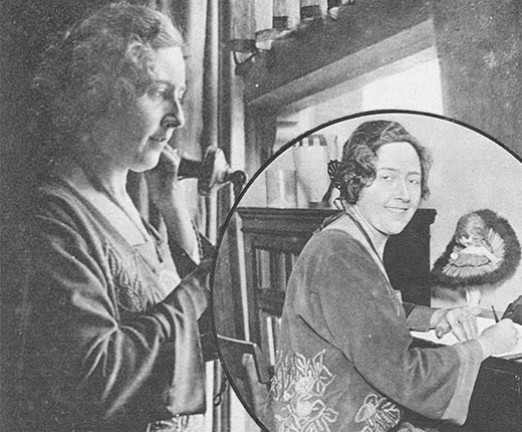
Our latest “Document of the Week” was chosen by our Marketing and Editorial Assistant, Laura Wales. It is Agatha Christie’s first published short story, “The Affair at the Victory Ball”, which appeared in The Sketch on 7 March 1923.
Read more →
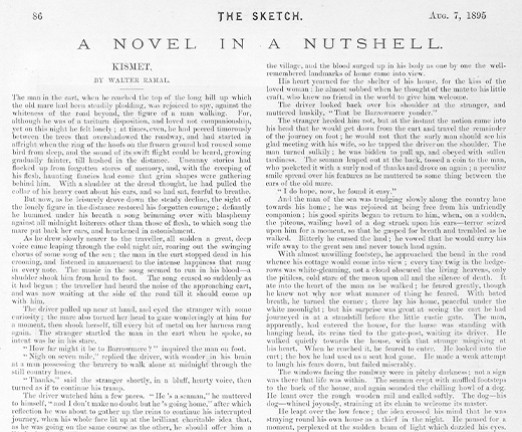
Our latest “Document of the Week” was chosen by our Marketing and Editorial Assistant, Laura Wales. It is the first published work of Walter de la Mare, written under the pseudonym Walter Ramal. The story appeared in The Sketch on 7 August 1895.
Read more →





.svg)