A window into the changing role of the "modern woman" in early-to-mid twentieth century Britain
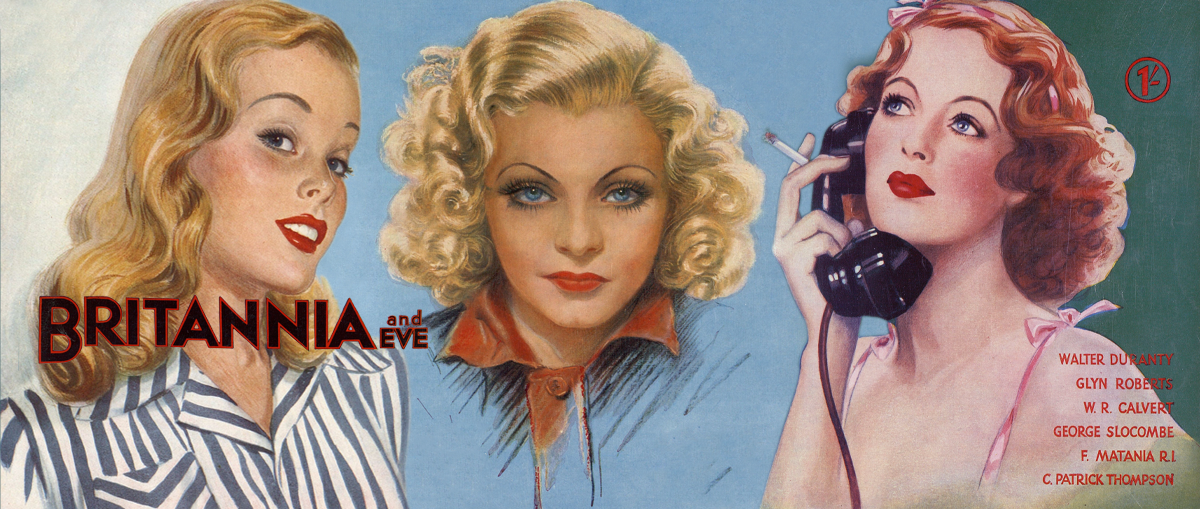
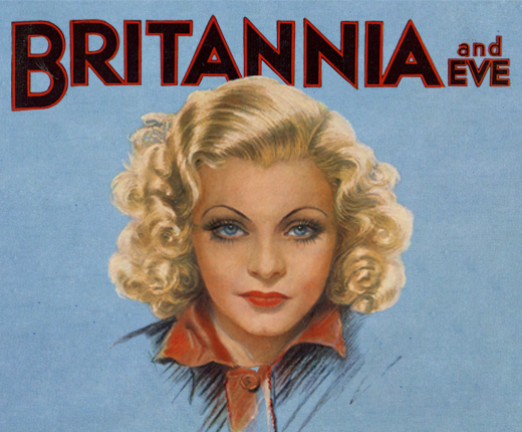
Formed in 1929 following a merger between Eve: The Lady’s Pictorial (established in 1926) and Britannia (established in 1928), Britannia and Eve was one of the various “sister” titles owned by The Illustrated London News(ILN). From the outset this new magazine marketed itself to a predominantly female readership, especially to wealthy and conservative women. Throughout its existence it maintained a particular emphasis on fashion, beauty, and the home. It also featured contributions from some of the most influential female artists and writers of the time. This collection contains over 38,000 images from more than 350 issues of Britannia and Eve and its predecessors Eve: The Lady’s Pictorial and Britannia, published between June 1926 and January 1957.
Unlike other ILN-owned periodicals, Britannia and Eve appeared monthly. As a result, it was considerably longer than many of its “sister” publications, each issue often comprising more than 100 pages. Over time, it became well-known for the artistry of its illustrations and for its wide-ranging coverage. It printed articles and stories by esteemed writer Laura Troubridge, whose famous Book of Etiquette remained, for decades, a core text for young upper-class Britons; by Joanna Cannan, popular author of both children’s fiction and detective novels; and by diarist, politician, and arts patron Violet Bonham Carter. Given its popularity, eclecticism, and far-reaching influence, Britannia and Eve provides critical insights into the history of fashion, gender history, and the history of British print culture.
Contents
Britannia and Eve, 1926–1957...
"The most beautiful, witty and well-informed magazine British journalism has yet produced" (26 April 1929)
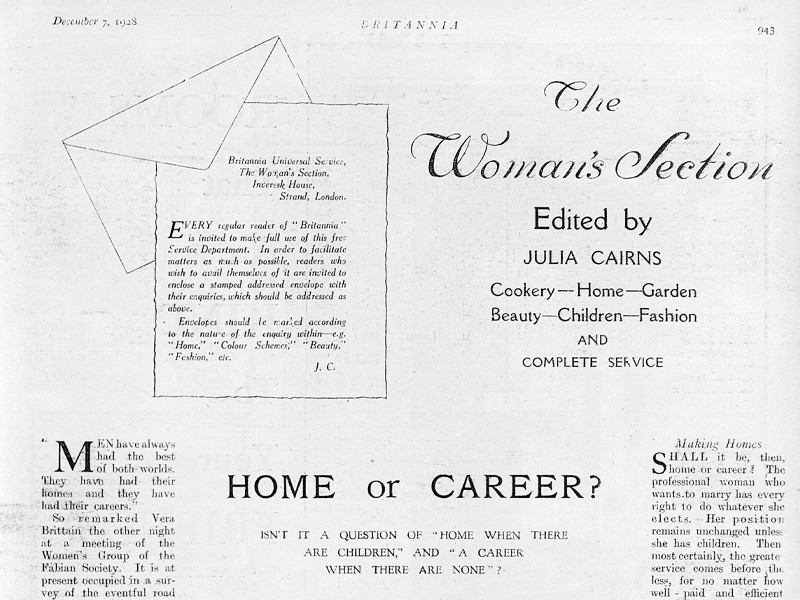
Whilst celebrating the increasing entry of women into Britain’s professions during the first decades of the twentieth century, this article (image 47) in Britannia reflects the persistent stigma that prevailed against working mothers.
Licensed to access
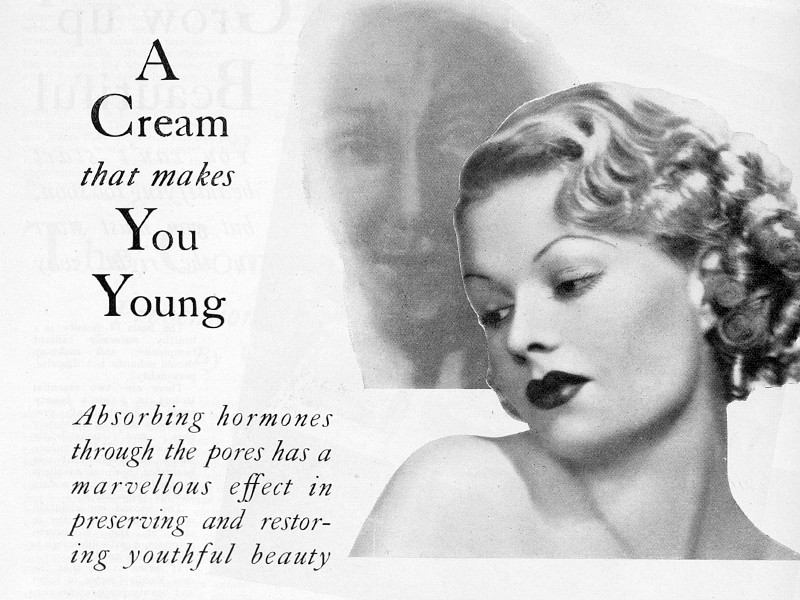
“A Cream that Makes You Young”
1st December 1935:
Britannia and Eve marketed itself primarily to women and, as this advert for anti-ageing cream (image 43) illustrates, its content reflects the pervasive impact of advertising on the construction of feminine beauty ideals.
Licensed to access
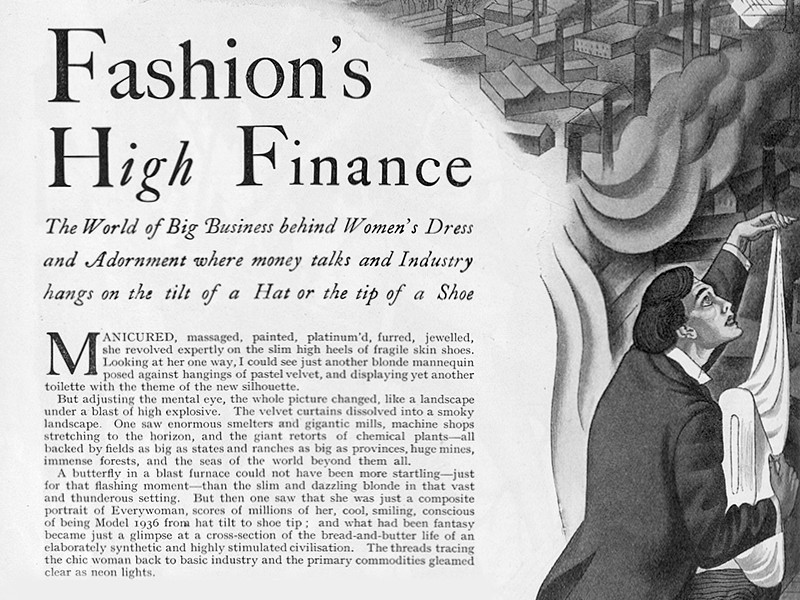
“Fashion’s High Finance”
1st February 1936:
This article (images 30-31 and 115-117) illustrates the importance of both the fashion and beauty industries to the global economy. It also draws attention to the increasing rate at which, by the mid-1930s, new trends were emerging, often driven by popular culture.
Licensed to access
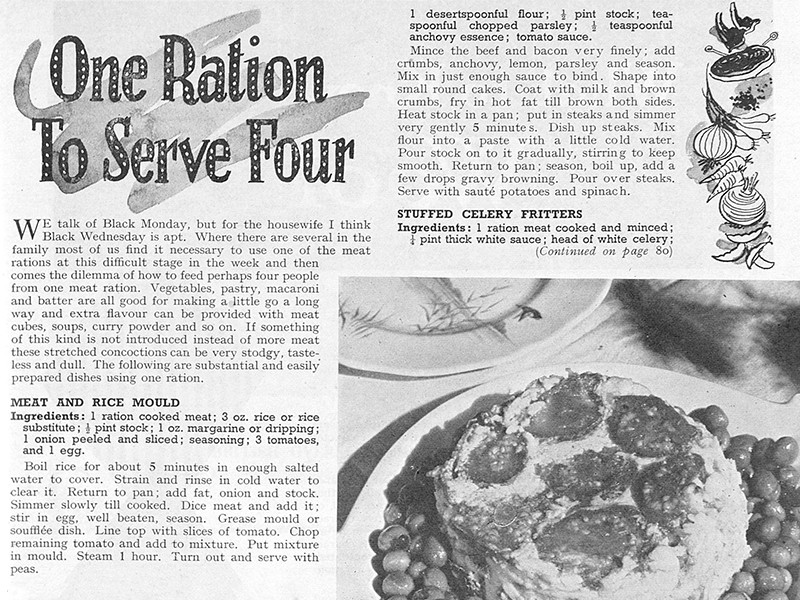
“One Ration to Serve Four”
1st November 1949:
Though hostilities in Europe ceased in May 1945, rationing in the UK continued until 1954. This article (image 51) highlights the ways in which the culinary habits of British households remained affected by meat rationing well after the Second World War.
Insights
Despite being the product of a merger between a women’s and a men’s lifestyle magazine, respectively, Britannia and Eve appealed mainly to a female readership. Nevertheless, male contributors featured prominently in the publication which, as a result, sheds light on the evolving roles of both women and men in British society, and the impact of women’s increasing independence on traditional understandings of gender.
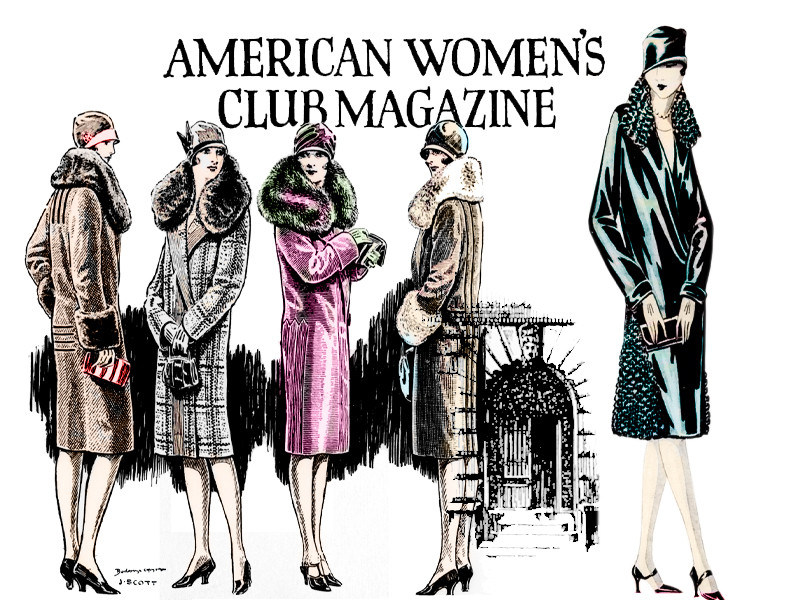
Though Britannia and Eve provided detailed articles on a range of topics, including the home, lifestyle advice, and current affairs, fashion remained a primary focus. It not only kept its readers up-to-date with the latest fashion trends (including information about how much specific items cost and where one could purchase them), but it also reported on the ongoing rivalry between the world’s most prestigious fashion houses, such as Dior, Balmain, and Fath.
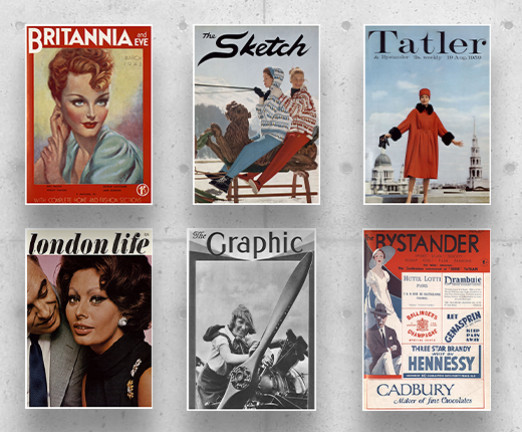
Britannia and Eve is particularly notable for its impressive artwork. Pauline Baynes (celebrated for her illustrations of C.S. Lewis’ Chronicles of Narnia), Eric Fraser (illustrator for both Radio Times and editions of J.R.R. Tolkien’s Lord of the Rings), and Fortunino Matania (best known as a war artist, who also worked for both the ILN and The Sphere), are just some of the many talented artists who contributed to the magazine over the years.
Like other publications owned by the ILN, Britannia and Eve can help historians to reconstruct the experiences of Britain’s civilian population during the Second World War. For instance, whilst it reported on the latest developments in the conflict, it also provided readers with wartime lifestyle advice, reflected the increasing incorporation of women into the country’s workforce, and drew attention to the welfare of children.
Adverts featured heavily in the magazine, and were carefully curated to appeal to a middle- and upper-class audience. Notably, the publication advertised many brands that still exist today, such as Schweppes, Boots, Rowntree’s, Kodak, and Debenhams.
The hundred years from the 1860s to the 1960s, covered in this collection, was in many respects the golden age of the print media in Britain. In the middle decades of the nineteenth century, a number of social, cultural, and political developments combined to provide the platform for a huge...
Read more →
If you have enjoyed engaging with our Britannia and Eve collection and are keen to explore the historical themes and issues that it raises in more detail, then we invite you to look at our extensive list of suggested further reading. This has been compiled by Ilya Parkins, Associate Professor of...
Read more →
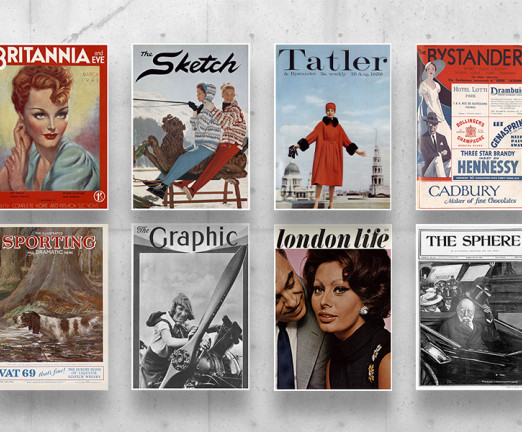
British Online Archives (BOA) is pleased to announce the completion of our extensive primary source collection: British Illustrated Periodicals, 1869–1970. This brings together the back catalogues of nine “sister” titles belonging to the Illustrated London News (ILN): The Graphic (1869–1932); The Illustrated Sporting and Dramatic News (1874–1970); The Sketch (1893–1959); The Sphere (1900–1964);...
Read more →
British Online ArchivesPublished 3rd January, 2024
British Online Archives (BOA) is pleased to announce the release of the first season of our podcast, Talking History with British Online Archives, in which we explore the past from a variety of angles and perspectives. This season comprises six episodes and will be released in bi-weekly instalments.
Read more →
British Online ArchivesPublished 1st October, 2024
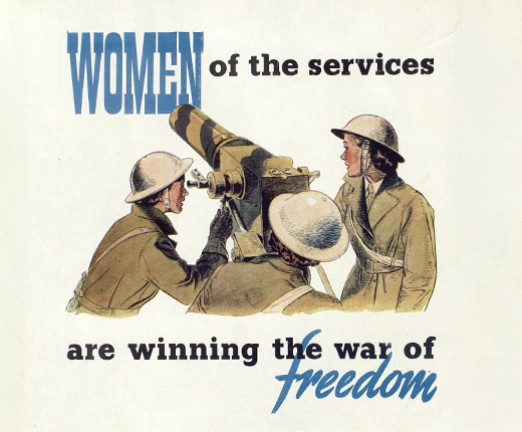
Our latest “Document of The Week” was chosen by our Editor Nishah Malik. It is a Tampax advert from the April 1942 issue of Britannia and Eve magazine. This advert offers an insight into the changing role of women during the Second World War.
Read more →
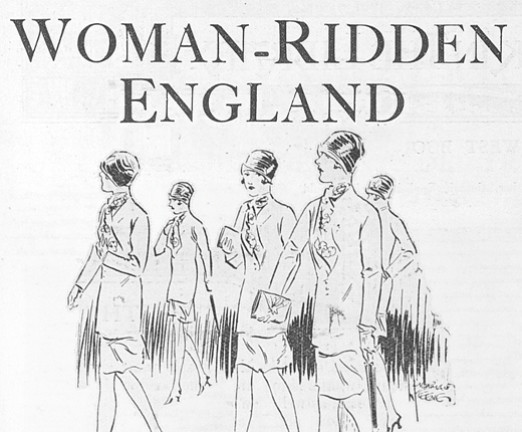
Our latest “Document of the Week” was chosen by our Editorial Assistant, Chloe Haney. It is an article by Michael Sadleir, titled "Woman-Ridden England", that was published in Britannia, the predecessor of Britannia and Eve, on 19 October 1928.
Read more →
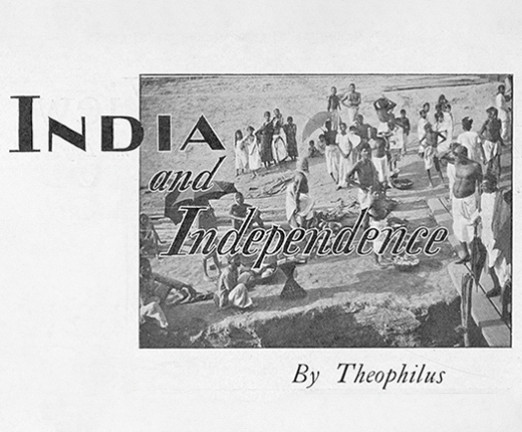
Our latest “Document of the Week” was chosen by our Editor, Nishah Malik. This week, as we draw near to the 78th anniversary of the partition of the Indian subcontinent, we take a look at an article titled “India and Independence” in Britannia.
Read more →
Our latest “Document of the Week” was chosen by our Editor, Nishah Malik. As we have reached December and the countdown to Christmas has begun, this week’s document brings a festive touch to our “Document of the Week” series.
Read more →
Our latest “Document of the Week”, chosen by our Editor, Nishah Malik, is a Christmas cooking guide titled “Food to Make You Forget”, written by Harriett Muir and published in Britannia and Eve magazine in December 1939.
Read more →








.svg)