Discover the social and cultural transformation of Britain in the "Swinging Sixties"
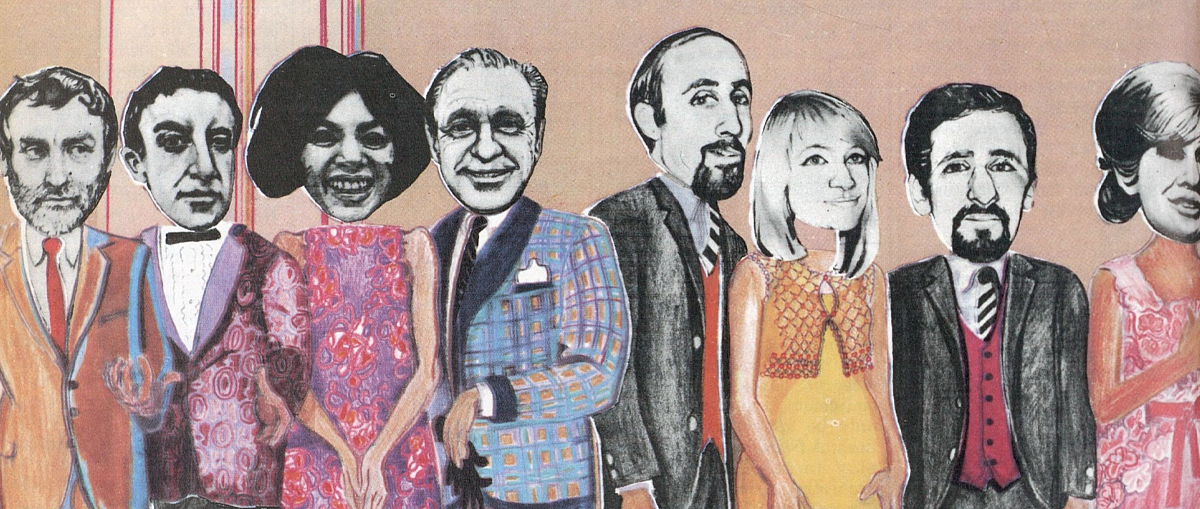
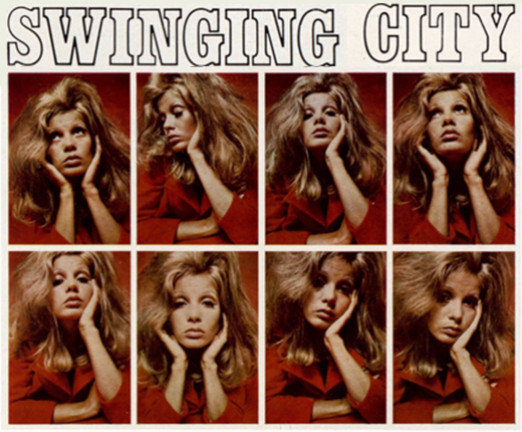
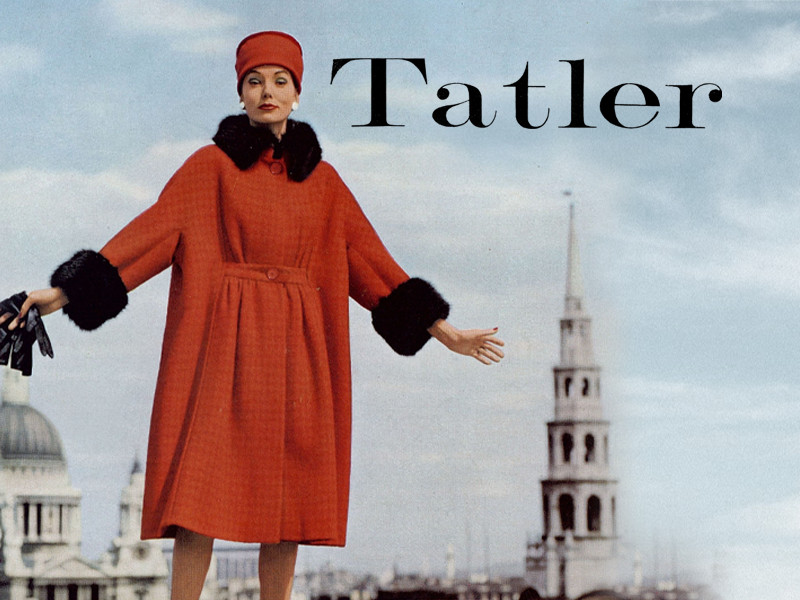
Launched in 1965, London Life was one of several titles owned by The Illustrated London News (ILN). A reincarnation of The Tatler (1901–1965)—which, from its inception, catered primarily to a wealthy and conservative readership—London Life represented a radical departure from its predecessor. This new magazine endeavoured to "reflect all aspects of the life of London". Throughout its brief existence, it proved adept at conveying the spirit of the "Swinging Sixties" in the world’s "capital of cool". Encompassing nearly 5,000 images, this collection contains all 63 issues ofLondon Life, published between October 1965 and December of the following year.
London Life covered a wide range of topics, from music and film to sexuality and the thriving nightlife of London’s West End. It likewise captured the increasingly cosmopolitan nature of British society, documenting the emergence of a more diverse media landscape and audience. Featuring interviews with cultural icons, such as Paul McCartney and Mick Jagger, as well as contributions from rising stars, such as the supermodel, Jean Shrimpton, and the popular entertainer, Anita Harris, London Life remains emblematic of 1960s counterculture. This collection contains essential material for those interested in the cultural history of the 1960s and, more specifically, in Britain’s cultural revolution and the advent of its "permissive society".
Contents
London Life, 1965–1966...
The task of this magazine is to reflect all aspects of the life of London
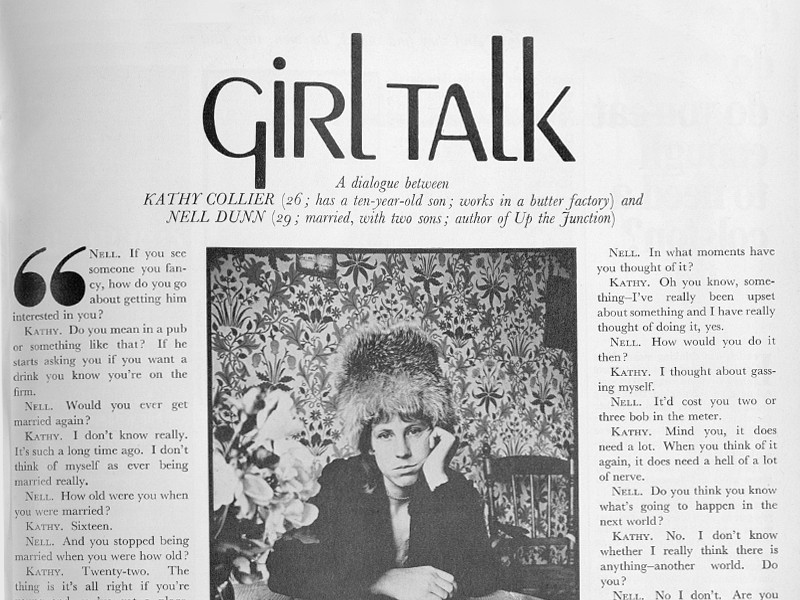
Images 47-48 of this issue feature an interview between writer Nell Dunn (author of Up the Junction and Poor Cow) and Kathy Collier (a young factory-worker), they delve into the lived experiences of working-class women in London, addressing themes such as work, mental health, teenage pregnancy, marriage, and homosexuality.
Licensed to access
"Motorists’ Entertainment Guide"
9th October 1965:
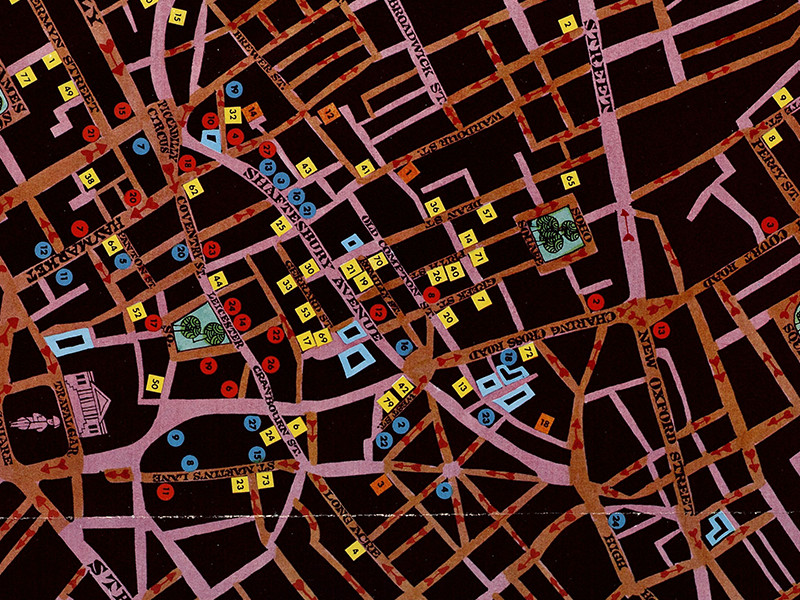
Illustrating the diversity of London’s restaurant scene, and the variety of nightlife available to the more affluent Londoners, this guide (images 46-48) also reveals the increasing presence of cars on the capital’s streets in the mid-1960s.
Licensed to access
"What To Do with a Child at Christmas"
18th December 1965:
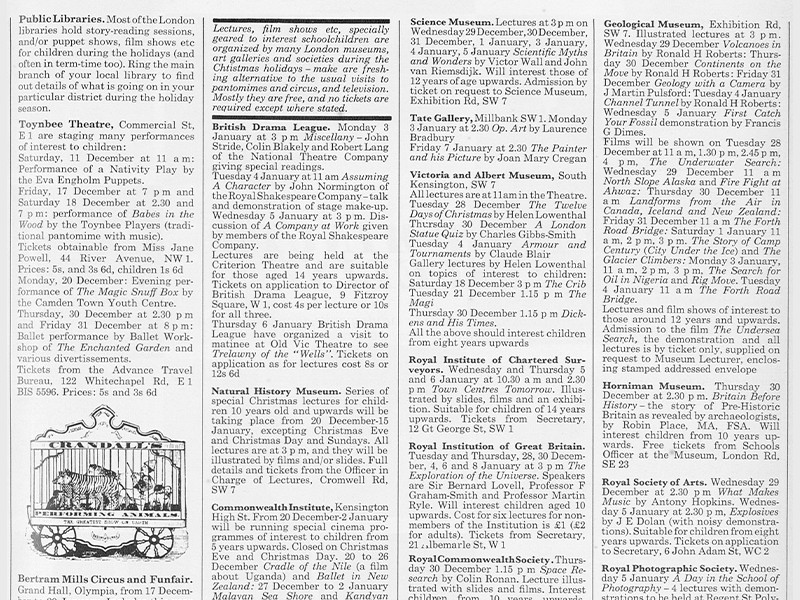
In keeping with its desire to "reflect all aspects of the life of London", the magazine not only produced content for single adults, but also for those with families. In this article (images 28-29), London Life gives parents some useful tips about how to create the perfect Christmas experience for their children.
Licensed to access
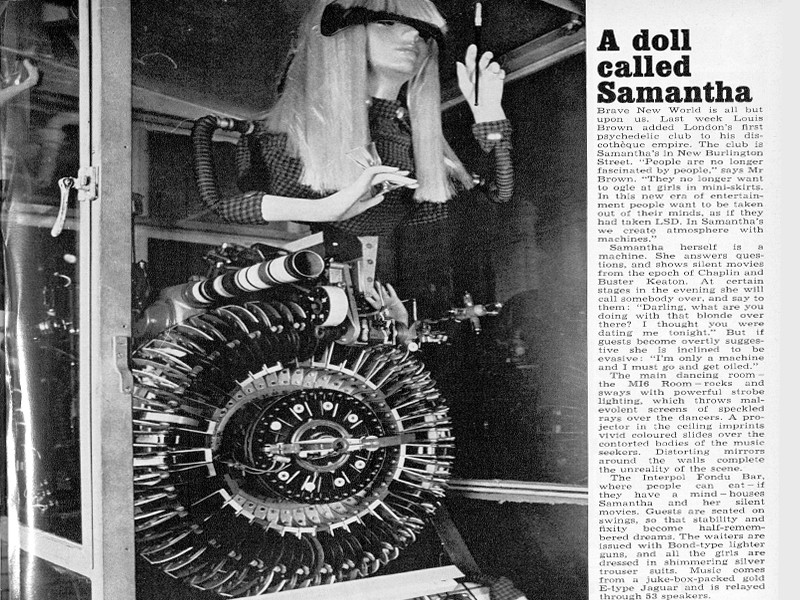
"A Doll Called Samantha"
12th November 1966:
Contributors to London Life regularly portrayed the hedonism of the city’s club scene. Encapsulating some of the key themes of 1960s counterculture (psychedelia, sex, and science fiction), this article (image 17) discusses the capital’s "first psychedelic club" which, its owner hoped, would replicate the experience of taking hallucinogenic drugs.
Insights
In Britain, the 1960s were an era of profound social and cultural transformation. The decade saw significant changes in gender relations, civil rights, and fashion, as well as attitudes towards sex, radical politics, and the role of the media in daily life.
Under the editorship of Mark Boxer (cartoonist and founding editor of The Sunday Times), London Life encapsulated both the fashionable and the bohemian of 1960s London. At the London Life party in May 1966, guests included well-known celebrities such as actor Jane Asher, Rolling Stones front-man Mick Jagger, and artist David Hockney.
By the mid-twentieth century, Britain was becoming a more cosmopolitan country. London Life reflects the increasingly multicultural nature of British society at this time, not only revealing the diversity of the capital’s restaurant scene, but also highlighting the formation of a new media audience, with references to TV and radio stations aimed explicitly at South Asian viewers and listeners.
With the rise of the consumer society, advertising not only became more prominent, but also more creative. This collection provides valuable insights into the "Ad Revolution" of the 1960s, featuring iconic adverts for major brands such as Chanel, Cartier, Harrods, Mercedes, and Sony, as well as the tobacco and alcohol industries.
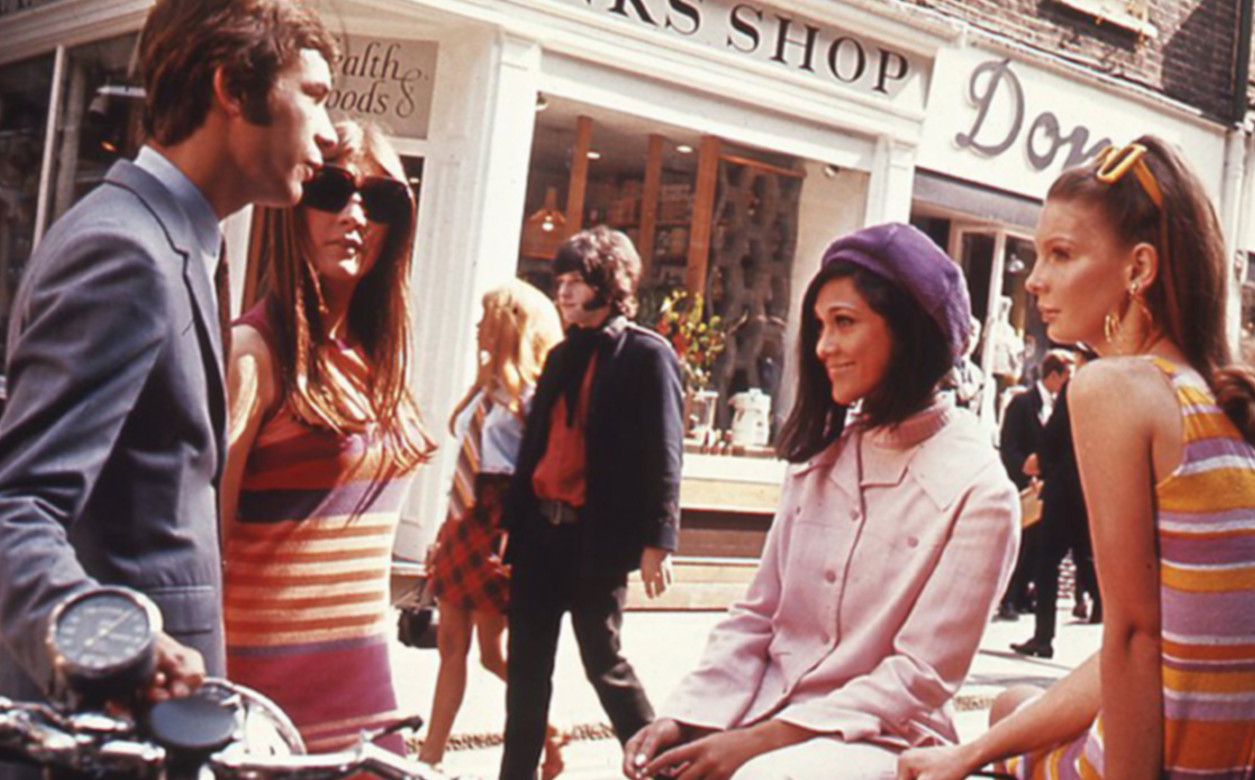
Designer Anne Tyrell suggests that, in the 1960s, "the atmosphere of the period was faithfully reflected in fashion, epitomising the very spirit of the age". Accordingly, London Life dutifully kept its readership up-to-date with the latest trends, and supermodel Jean Shrimpton – an exemplar of "Swinging London" – contributed to various issues of the magazine, writing about both fashion and food.
With articles covering a variety of social issues, such as urban poverty, teenage pregnancy, and mental health, London Life not only depicts the glamour of the 1960s: it also reveals the inequality and discrimination that persisted in British society. For example, in an article on 9th October 1965, novelist V. S. Naipaul described the exclusionary aspects of the new "capital of cool", and the oppressive qualities of the modern city.
The hundred years from the 1860s to the 1960s, covered in this collection, was in many respects the golden age of the print media in Britain. In the middle decades of the nineteenth century, a number of social, cultural, and political developments combined to provide the platform for a huge...
Read more →
The 1960s continue to inspire and provoke. Despite the passage of time, there is a sense that the decade has not quite fully passed into the past. At one level this is a symptom of people’s interest in the surfaces of retro culture. Sixties music, fashions, and haircuts have never...
Read more →
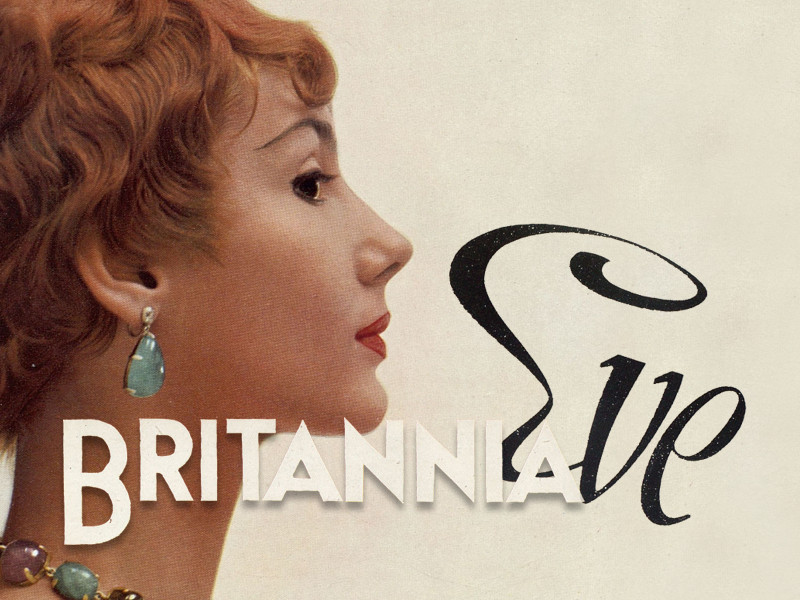
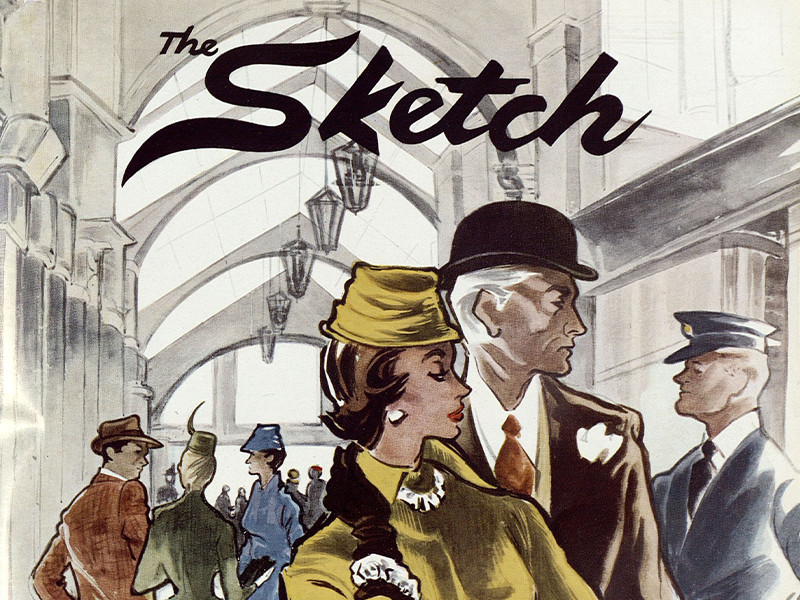
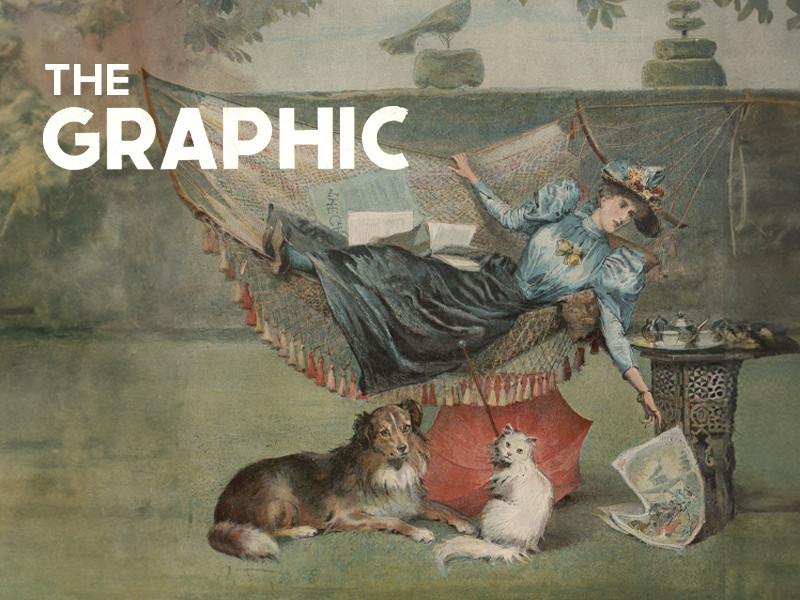
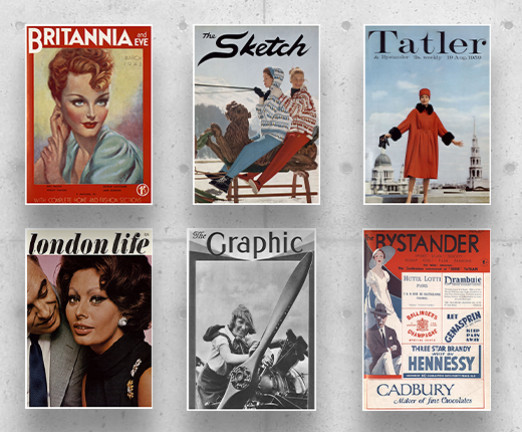
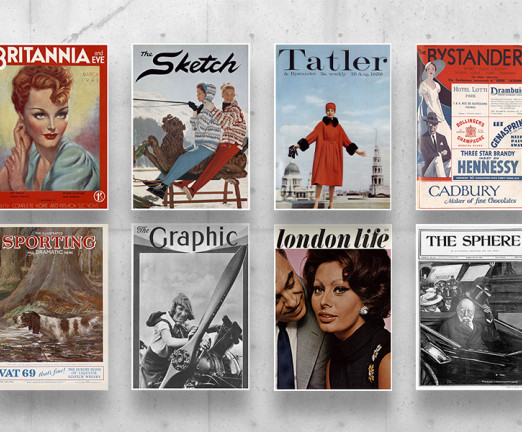
British Online Archives (BOA) is pleased to announce the completion of our extensive primary source collection: British Illustrated Periodicals, 1869–1970. This brings together the back catalogues of nine “sister” titles belonging to the Illustrated London News (ILN): The Graphic (1869–1932); The Illustrated Sporting and Dramatic News (1874–1970); The Sketch (1893–1959); The Sphere (1900–1964);...
Read more →
British Online ArchivesPublished 3rd January, 2024
British Online Archives (BOA) is pleased to announce the release of the first season of our podcast, Talking History with British Online Archives, in which we explore the past from a variety of angles and perspectives. This season comprises six episodes and will be released in bi-weekly instalments.
Read more →
British Online ArchivesPublished 1st October, 2024




.svg)