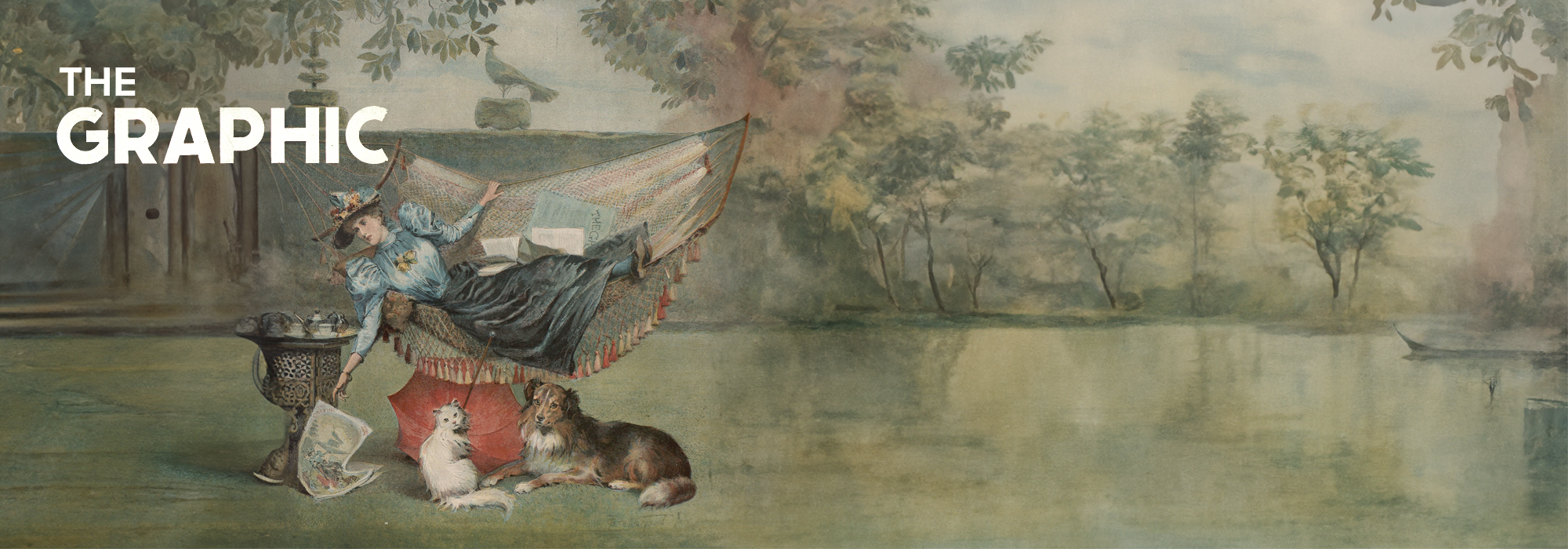
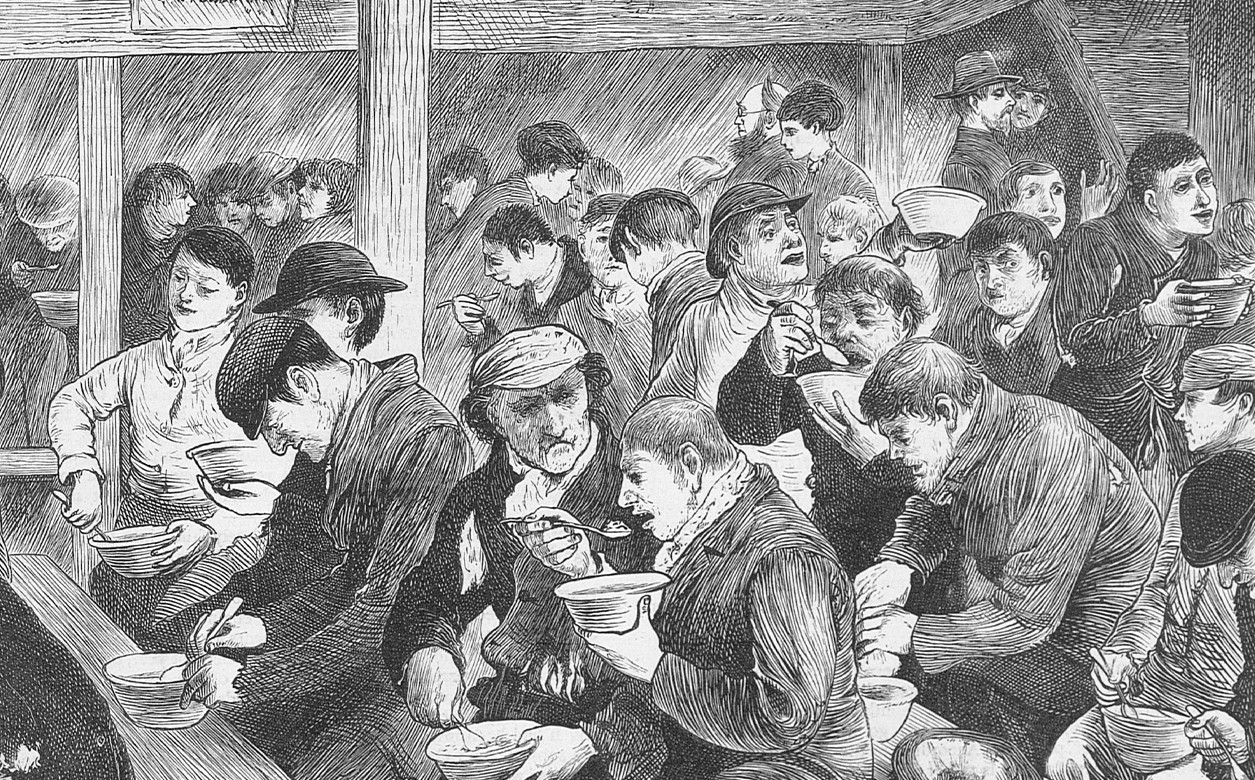
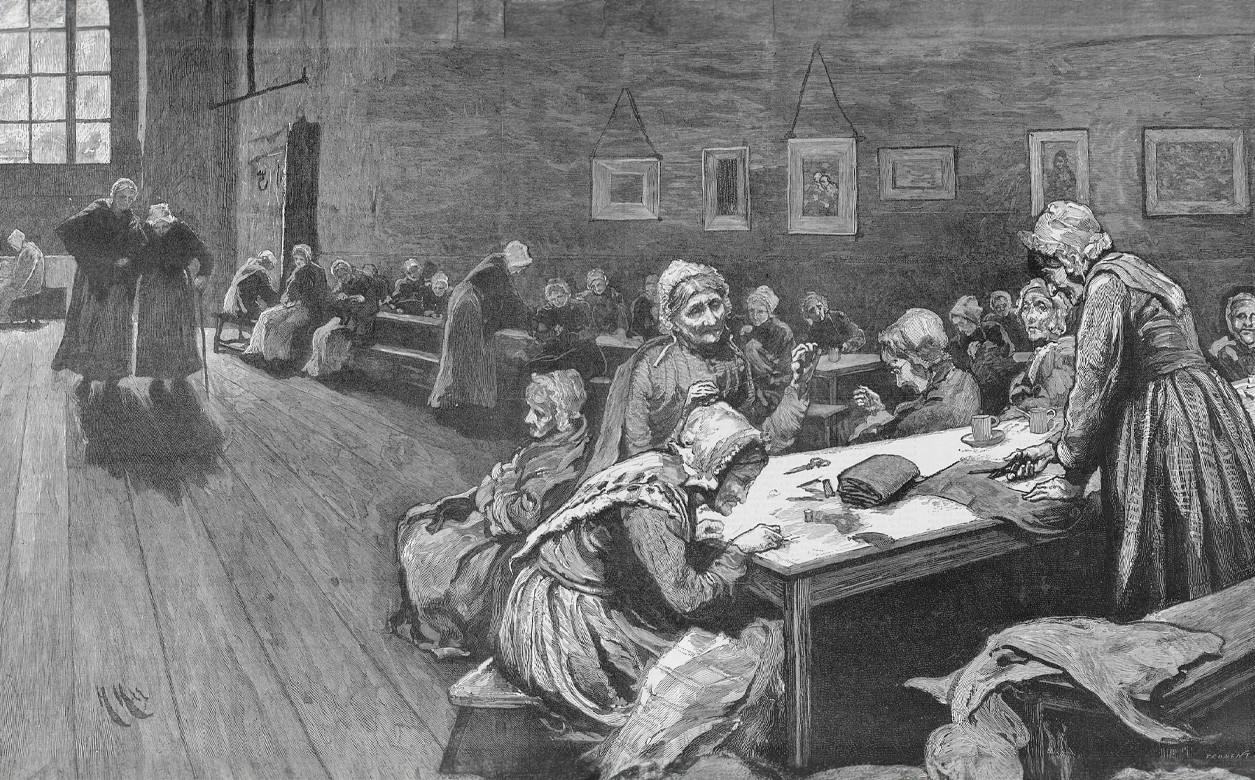
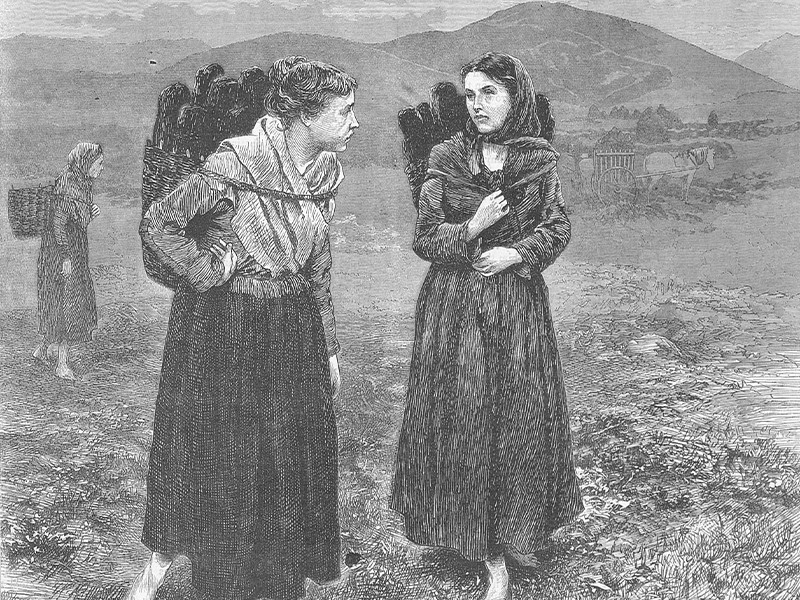
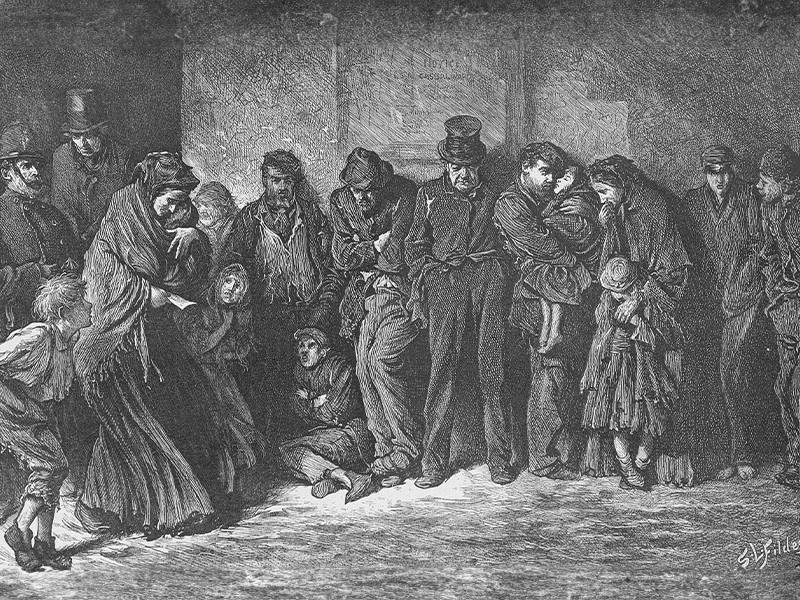
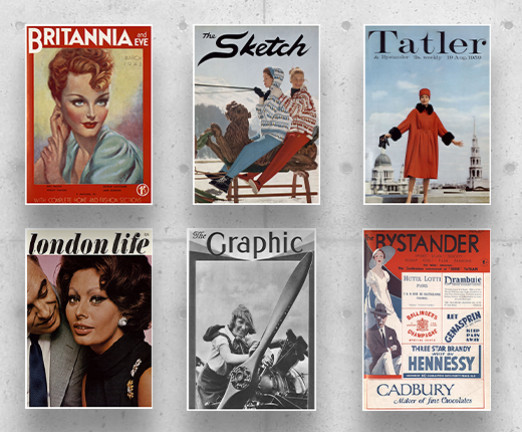
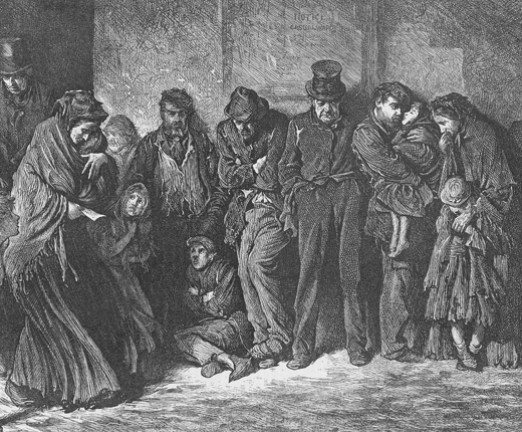
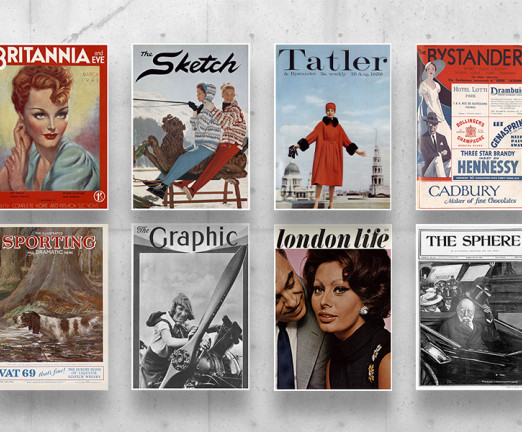
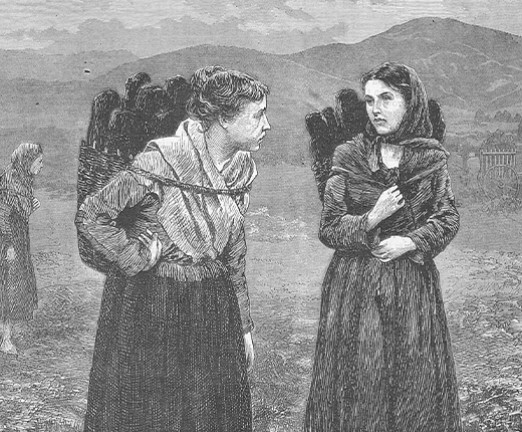
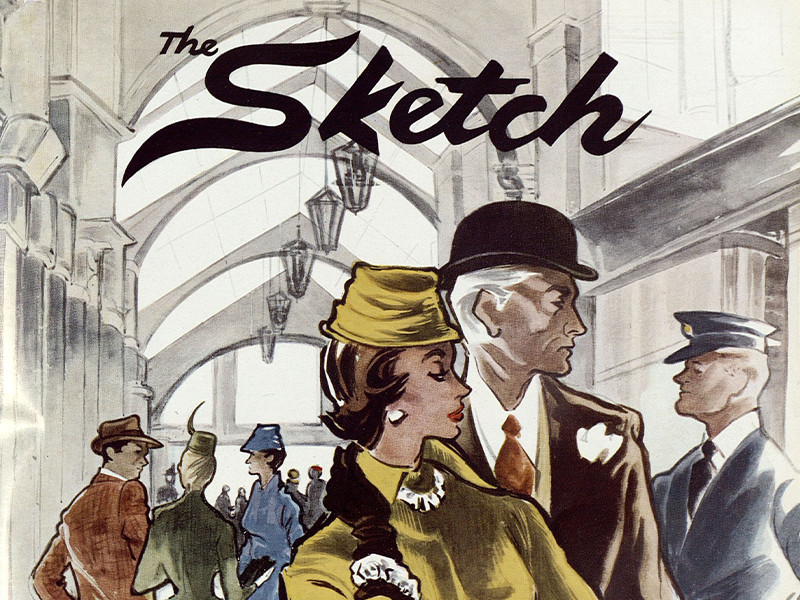
The Graphic, founded by artist and social reformer, William Luson Thomas, appeared on 4 December 1869. Initially, it was a competitor of The Illustrated London News (ILN), but it ultimately became one of the ILN’s sister publications. The Graphic reflected the conservatism and staunch imperialism of Britain’s ruling classes. Yet Thomas’s social conscience and professional vision ensured that the paper differed from more right-leaning titles in British Illustrated Periodicals, 1869–1970, such as The Sketch and The Sphere. Innovatively, The Graphic drew attention to poverty, homelessness, and public health—Thomas encouraged his illustrators to wander London in search of authentic scenes and subjects. This collection collates over 90,000 images from almost 3,500 issues of The Graphic, published between December 1869 and April 1932.
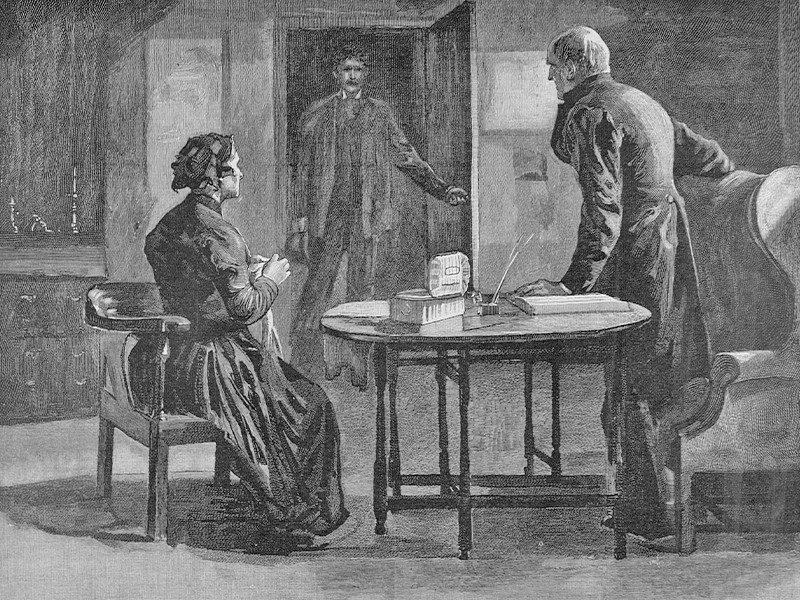
The Graphic featured articles on politics, international relations, religion, and science. It played an important role in the development of the arts, printing innovative literature, theatre reviews, and some of the most beautiful illustrations in contemporary print media—the Victorian critic Harry Quilter remarked upon “the real change that The Graphic artists effected in illustrated journalism”. Vincent van Gogh was much influenced by the strain of socially-conscious art that appeared in the paper.
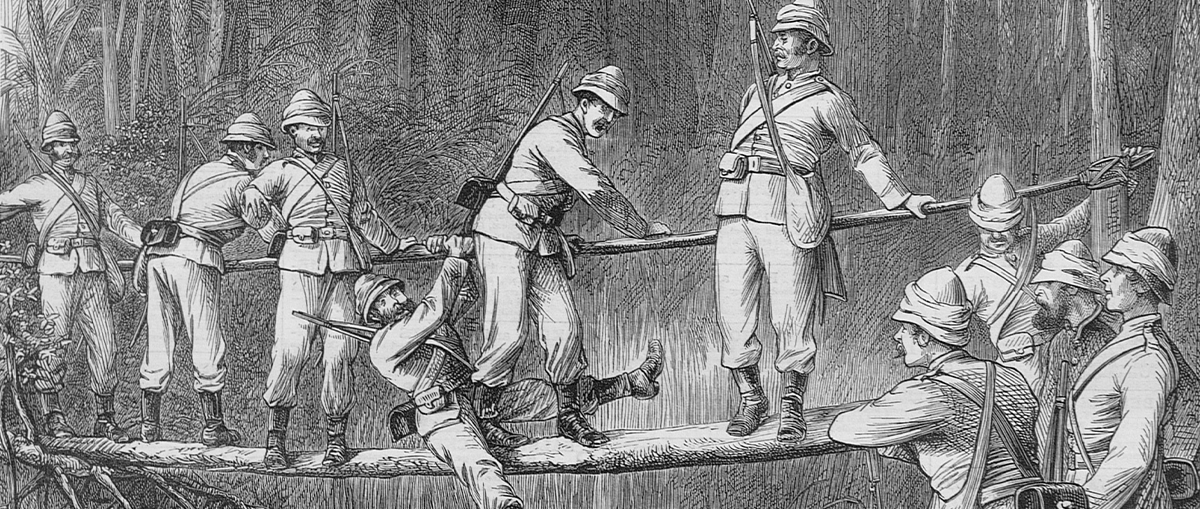
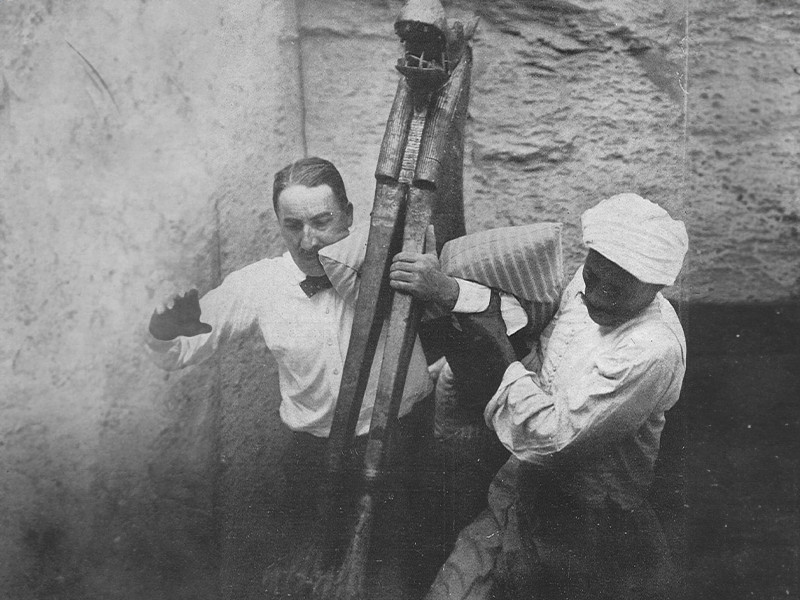
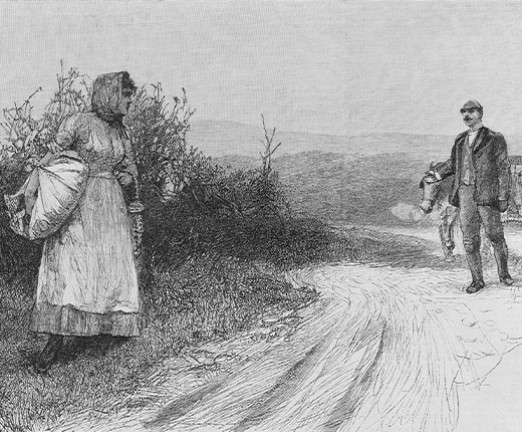
The Graphic published the work of celebrated writers and artists, including the pioneering painter, director, and composer, Hubert Herkomer; the satirical and fantastical illustrator, Sidney Herbert Sime; the distinguished sculptor, Malvina Hoffman; the pre-eminent Romantic author, Victor Hugo; and the celebrated English novelist and poet, Thomas Hardy. Given the quality and quantity of its artistic content, its wide-ranging commentary, and its vivid and determinedly-realistic depictions of everyday life (at home and abroad), this extensive collection captures the dramatic transformations that occurred within British society throughout the late nineteenth and early twentieth centuries. It will be of value to students and researchers interested in British cultural, social, and political history; the history of art; the history of print media; and colonial history.






.svg)