Antigua, Slavery, and Emancipation in the Records of a Sugar Plantation, 1689–1907 - Contextual Essays

  • Home
  • Collections
  • Antigua, Slavery, and Emancipation in the Records of a Sugar Plantation, 1689–1907

Contextual Essay

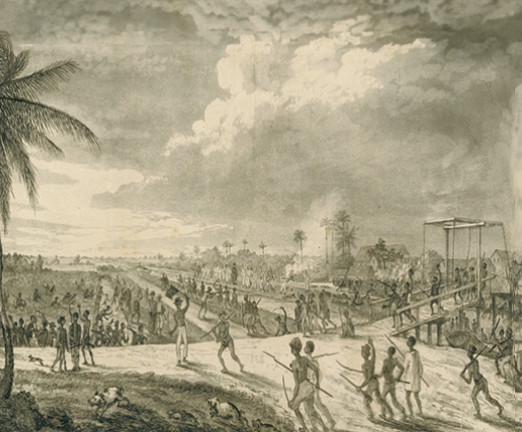
An illustration of enslaved people carrying tools. They are set against a landscape of palm trees.

From the Archive: Researching the Lives of Enslaved People

This article is part of an ongoing project to amplify other voices present in British Online Archives’ collections, particularly in archives relating to British colonial rule. Please note: some of these sources contain racist or offensive terms.Over four centuries, an... Read more →
Dr Mary Wills
Published 7th March, 2024
lock_open

Unlock Historical Research for Your Institution

Provide your students and researchers with direct access to unique primary sources.
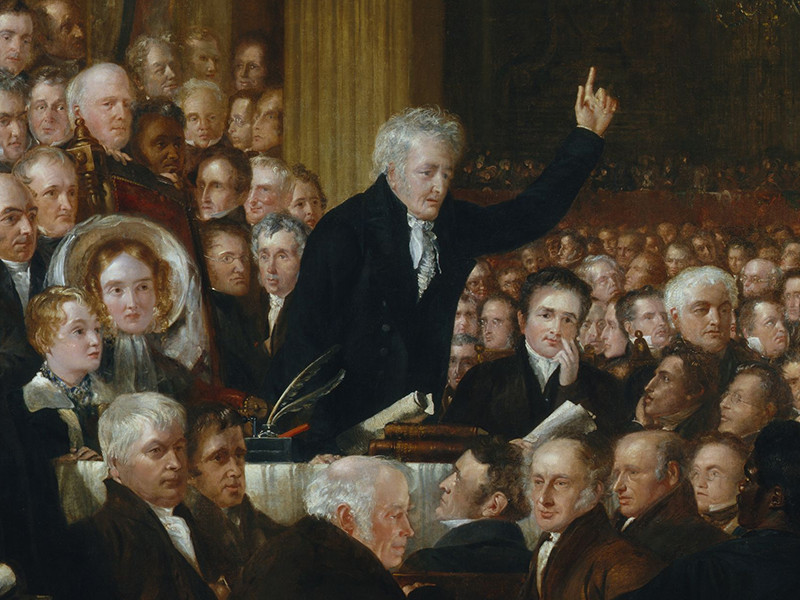
A painting of the 1840 convention of the British and Foreign Anti-Slavery Society which was established to promote worldwide abolition. An elderly Thomas Clarkson is stood with his finger pointing in the air as he addresses a meeting of over 500 delegates.

Licensed to access Slavery Through Time: from Enslavers to Abolitionists, 1675–1865

1675   1865
Bodleian Library logo
British Library logo
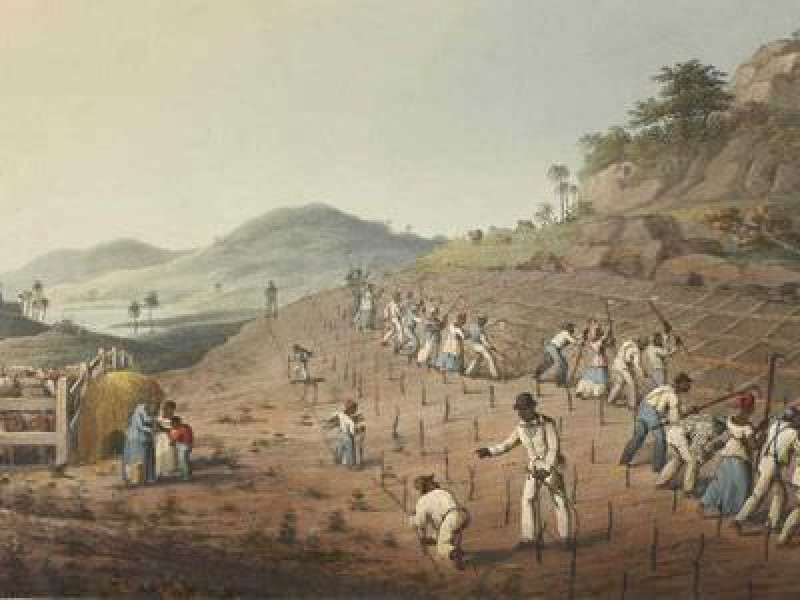
Rows of enslaved people digging cane holes on the Island of Antigua

Licensed to access Slave Trading Records from William Davenport & Co., 1745–1797

1745   1797
Keele University Library logo
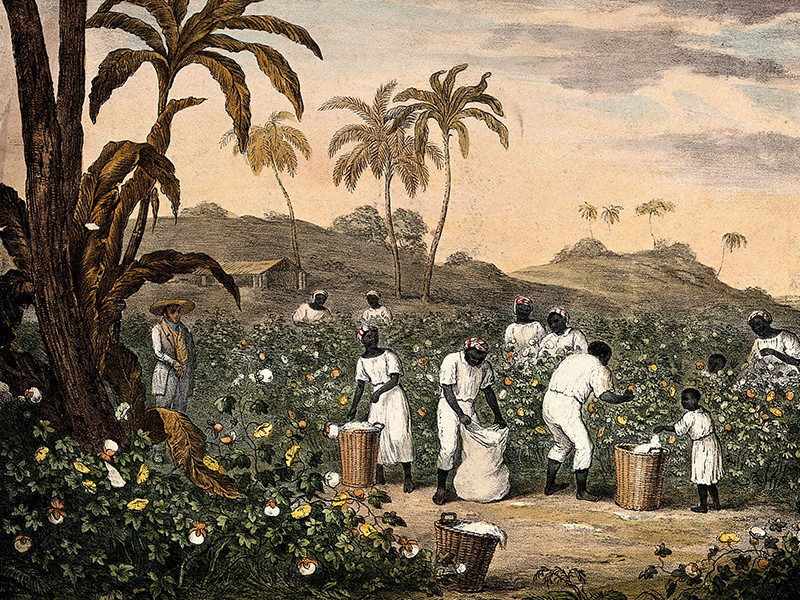
People with baskets and sacks pick cotton on a plantation.

Licensed to access Slavery in Jamaica, Records from a Family of Slave Owners, 1686–1860

1686   1856
Surrey History Centre logo
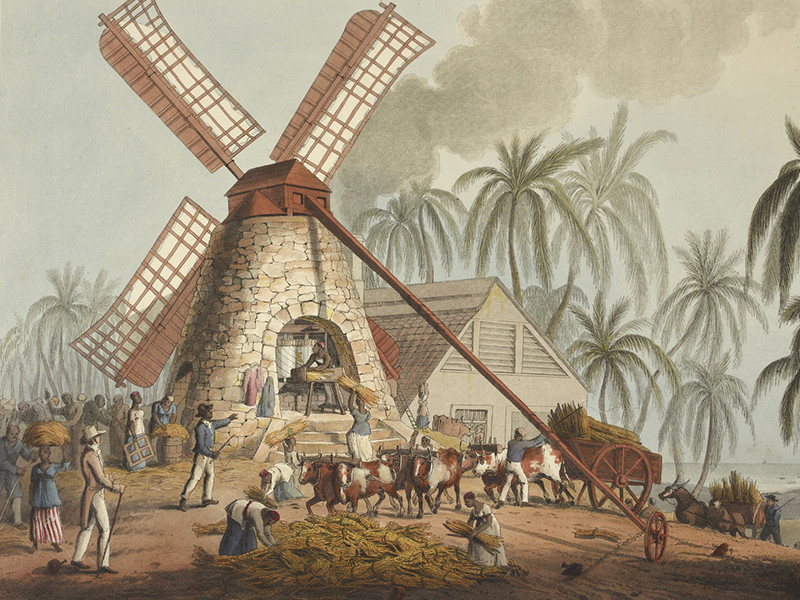
An engraving of The Mill Yard, grinding sugar cane in a windmill in 1823. A windmill on the left hand side, with people and cattle working.

Licensed to access Slavery, Exploitation, and Trade in the West Indies, 1759–1832

1759   1823
Llyfrgell Genedlaethol Cymru logo
Back to Top