Paris Peace Conference and Beyond, 1919–1939 - Editorial Board

Editorial Board

As part of our editorial process, every new collection is subjected to review by leading academics and experts. We would like to thank the following people for their advice and support:

Dr. David Kaufman

Lecturer in History & Programme Director, MSc in History University of Edinburgh  https://edwebprofiles.ed.ac.uk/profile/david-kaufman
Dr David Kaufman has been a Lecturer in History in the School of History, Classics and Archaeology the University of Edinburgh since 2012. His main area of research is British foreign policy towards Eastern Europe in the era of the Great War. He has written on the Paris Peace Conference and is presently researching the link between revisionism and reparations in the 1920s.

Professor Gaynor Johnson

Professor Emerita of International History University of Kent
Professor Gaynor Johnson studied History at the University College of North Wales, now Bangor University, where she received her BA and PhD. There, she developed an interest in international history, in particular the role of ambassadors in the conduct of British foreign policy in the first half of the 20th century.
lock_open

Unlock Historical Research for Your Institution

Provide your students and researchers with direct access to unique primary sources.

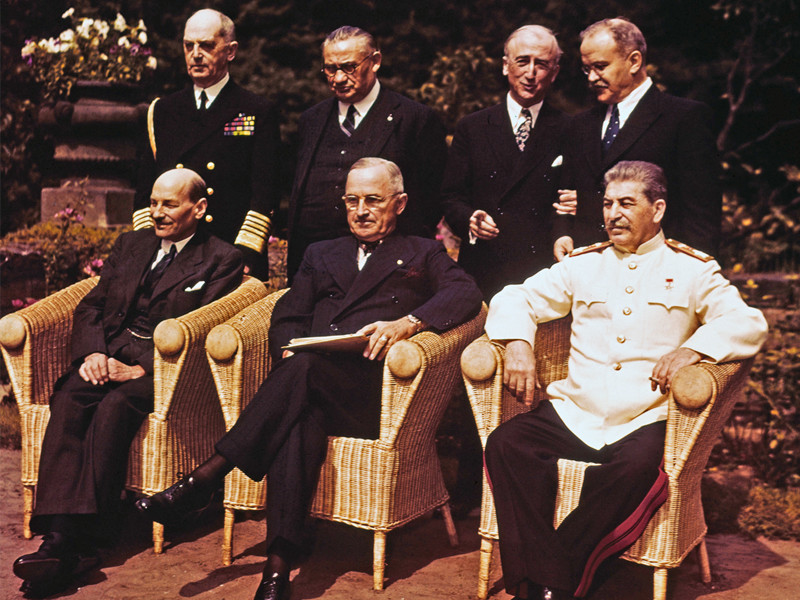
Representatives from the Soviet Union, UK and US at the 1945 Potsdam Conference in Potsdam, Germany.

Licensed to access Establishing the Post-War International Order, 1944–1961

1944   1961
The National Archives (UK) logo
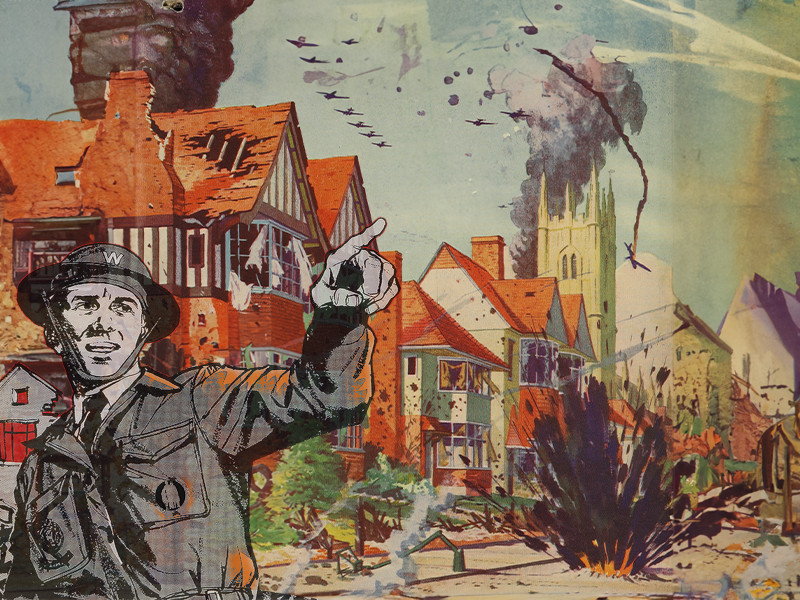
Coloured illustration of a British town being bombed. On the left a black and white soldier points to the sky.

Licensed to access Britain Under Threat: Civil Defence in the Era of Total War, 1914–1989

1914   1989
The National Archives (UK) logo
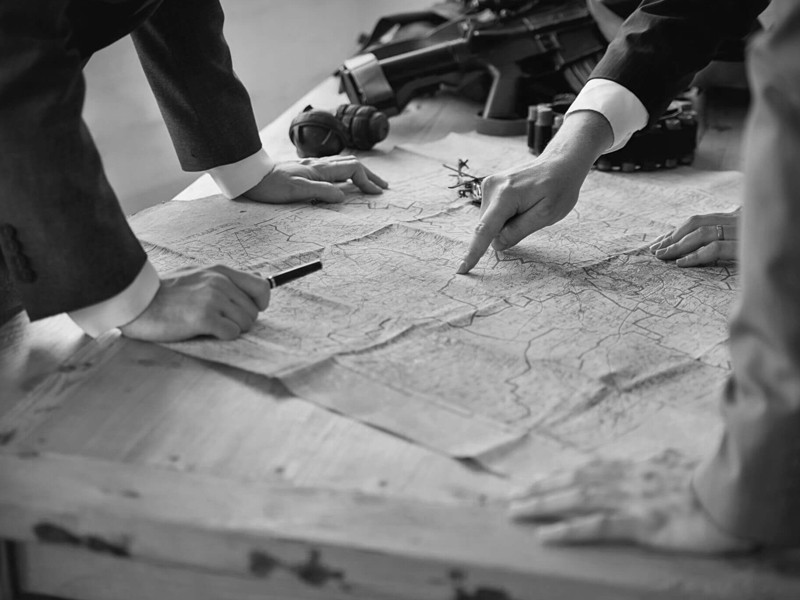
A map laid across a table. People are stood around the map and pointing at areas.

Licensed to access Military Tactics and the Rise of Modern Warfare, 1881–1935

1881   1935
National Army Museum logo
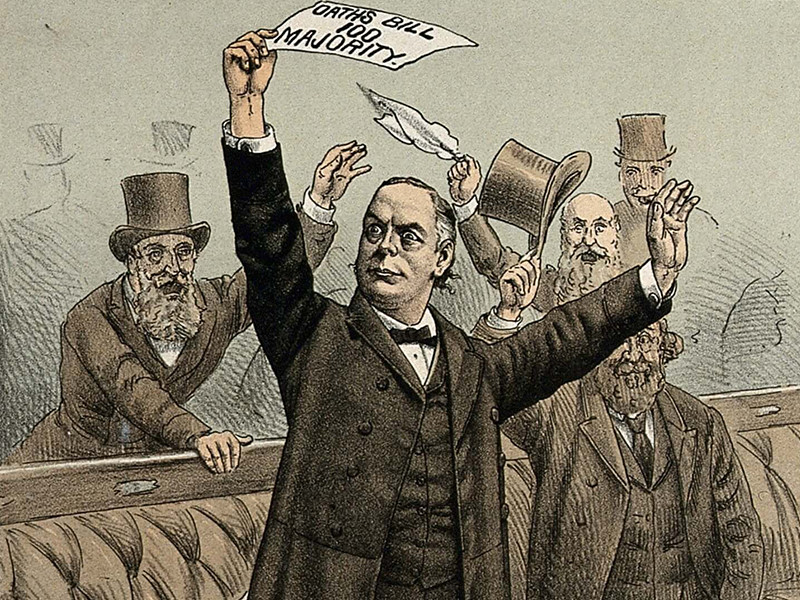
Bradlaugh triumphs. The Oaths Bill Passed by a Hundred Votes, from 'St. Stephen's Review Presentation Cartoon'. In one scene, Bradlaugh is held by multiple police officers. In the next, he is freed, with his arms in the air in celebration

Licensed to access Atheism and Anti-War Sentiments in the Bradlaugh Family, 1833–1948

1833   1948
National Secular Society logo
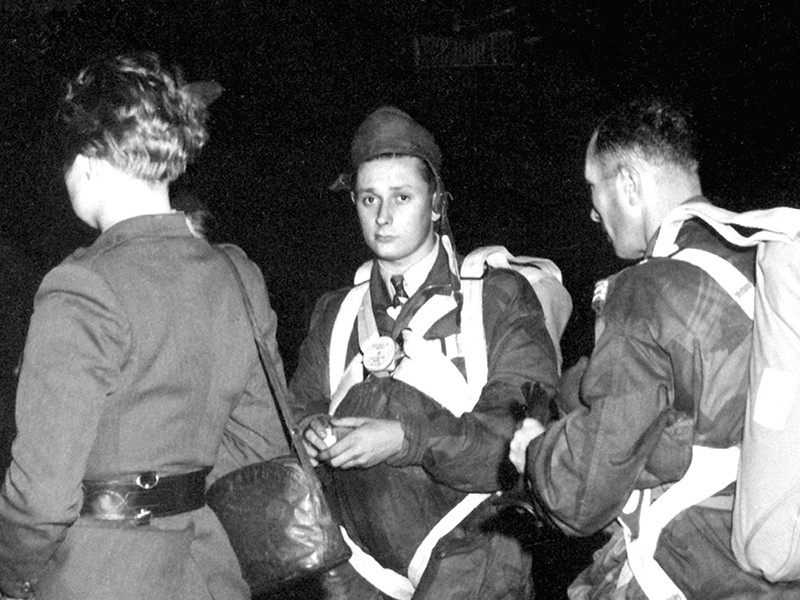
Jedburghs in front of B-24 just before night at Area T, Harrington Airdrome, England

Licensed to access Secrecy, Sabotage, and Aiding the Resistance: How Anglo-American Cooperation Shaped World War II

1939   1954
The National Archives (UK) logo